ZoomInfo Marketing Strategy: Dominating B2B Data Intelligence
Discover how ZoomInfo leverages data intelligence, AI-driven insights, and revenue-focused marketing to dominate the B2B landscape. This blog post breaks down ZoomInfo’s marketing strategy, covering content marketing, account-based marketing, demand generation, and product-led growth tactics that help B2B teams find, target, and convert the right buyers faster.
In today’s hyper-competitive B2B world, data isn’t just an advantage—it’s survival fuel. If you don’t know who your buyer is, where they work, or when they’re ready to buy, you’re already late to the party. This is exactly where B2B data intelligence platforms step in, turning raw information into actionable insights.
Among all players in this space, ZoomInfo has built a marketing machine that doesn’t just sell data—it sells confidence, precision, and speed.
Overview of ZoomInfo as a Market Leader
ZoomInfo isn’t just another B2B database. It’s positioned as an end-to-end go-to-market intelligence platform. Instead of saying “here’s some data,” ZoomInfo says, “here’s how you close more deals—faster.”
That subtle shift in messaging has played a massive role in its growth. The brand speaks directly to revenue teams, not just analysts or data managers. Sales leaders, marketers, and recruiters all see ZoomInfo as a revenue accelerator, not a cost center.
Understanding ZoomInfo’s Core Value Proposition
At its core, ZoomInfo promises three things:
Accuracy – Clean, verified, constantly updated data
Alignment – Sales and marketing working from the same data source
Think of it like Google Maps for B2B growth. You still drive the car, but ZoomInfo tells you the fastest route, avoids traffic, and warns you before wrong turns.
Data as the Foundation of ZoomInfo’s Marketing Strategy
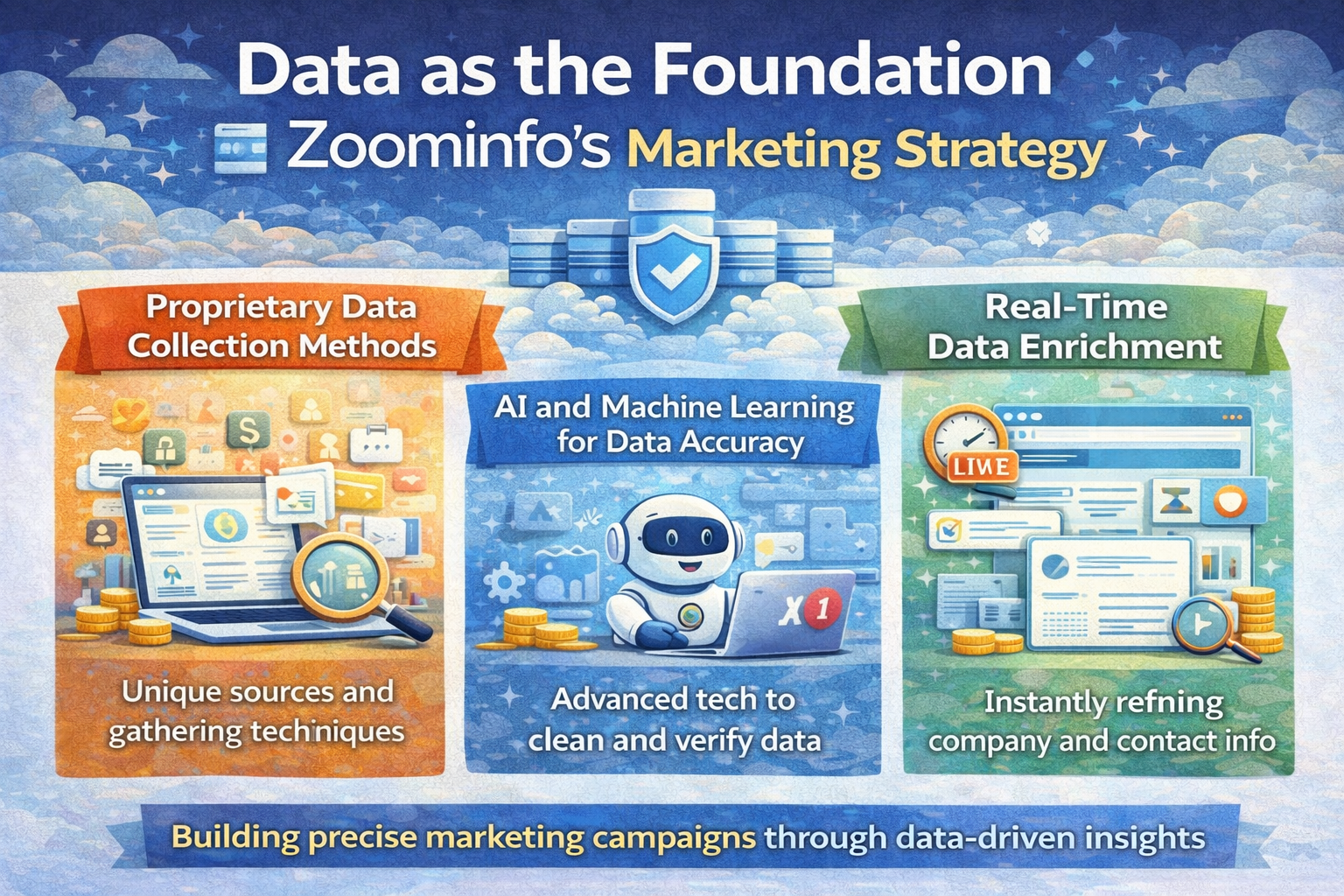
Proprietary Data Collection Methods
ZoomInfo’s biggest marketing strength is its product itself. The platform continuously gathers data from multiple proprietary and permission-based sources. This allows ZoomInfo to confidently market depth and freshness—two pain points B2B buyers constantly complain about.
Instead of flashy slogans, their messaging focuses on trust: “Data you can actually rely on.”
AI and Machine Learning for Data Accuracy
Artificial intelligence plays a massive role behind the scenes. ZoomInfo actively markets its use of AI and machine learning to clean, validate, and enrich data. This reassures buyers that they’re not purchasing stale spreadsheets but living datasets.
Real-Time Data Enrichment
Real-time enrichment is a silent hero in ZoomInfo’s marketing. It means users don’t just download lists—they integrate intelligence directly into CRMs, workflows, and outreach tools. Marketing-wise, this positions ZoomInfo as a daily-use platform, not an occasional tool.
Sales professionals are ZoomInfo’s primary audience. Messaging here focuses on faster prospecting, better conversations, and higher close rates. Everything is framed around winning deals.
Marketing Teams
For marketers, ZoomInfo highlights targeting precision, campaign efficiency, and cleaner lead data. The promise? Less wasted ad spend and better-qualified leads.
Recruitment and Talent Acquisition
ZoomInfo smartly expands beyond sales and marketing by addressing recruiters. Employer intelligence, org charts, and decision-maker insights open up a whole new use case—and revenue stream.
Content Marketing Strategy
SEO-Driven Content Framework
ZoomInfo’s content strategy is heavily SEO-focused. Blog posts, landing pages, and resources are built around problems buyers actively search for—think lead generation, account-based marketing, and sales intelligence.
High-Intent B2B Keywords
Instead of chasing vanity traffic, ZoomInfo targets high-intent keywords with strong commercial value. These readers aren’t browsing—they’re buying.
Case Studies and Whitepapers
Long-form assets like case studies and whitepapers help ZoomInfo build authority. They show real-world outcomes, not just product features. It’s storytelling backed by numbers.
Product-Led Marketing Approach
ZoomInfo doesn’t rely solely on sales calls. Free tools, trials, and feature previews let users experience value before committing. This reduces friction and shortens sales cycles.
In simple terms: show, don’t tell.
Account-Based Marketing (ABM) at Scale
ABM isn’t just a feature—it’s a marketing philosophy for ZoomInfo. Their campaigns mirror how their customers sell: targeted, personalized, and data-driven.
By using their own platform internally, ZoomInfo becomes its own best case study.
ZoomInfo’s email campaigns are educational, not pushy. Prospects are nurtured with insights, benchmarks, and use cases—building trust before the pitch.
Sales Enablement Content
From battle cards to competitive comparisons, ZoomInfo arms sales teams with content that directly addresses buyer objections.
Integrations with CRMs and marketing platforms aren’t just product features—they’re marketing assets. Every integration expands ZoomInfo’s ecosystem and increases switching costs.
Free Tools and Freemium Funnels
Free tools act as top-of-funnel magnets. They solve small problems instantly while quietly introducing users to ZoomInfo’s broader value.
It’s like giving a free sample that’s just good enough to make you want the full version.
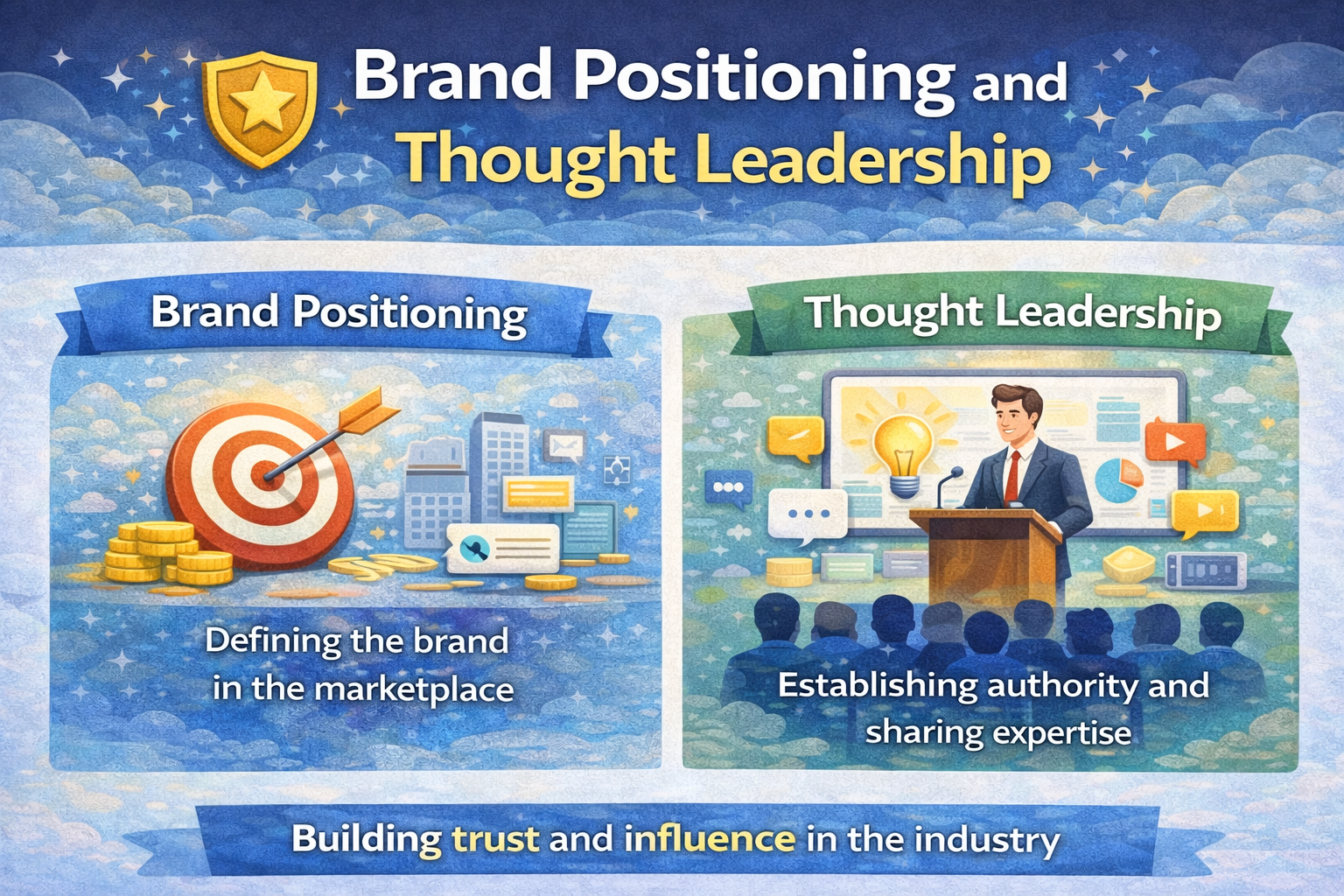
Brand Positioning and Thought Leadership
ZoomInfo positions itself as an authority, not a vendor. Reports, webinars, and market insights elevate the brand into a trusted advisor role.
Use of Customer Reviews and Social Proof
Testimonials, reviews, and customer logos are everywhere—and intentionally so. In B2B, trust travels faster through peers than ads.
Competitive Differentiation in the B2B Data Space
While competitors talk about data size, ZoomInfo talks about data intelligence. That difference matters. It shifts the conversation from quantity to outcomes.
Lessons Marketers Can Learn from ZoomInfo
Sell outcomes, not features
Let your product drive your marketing
Use data to market data
Build trust before pushing sales
These principles apply far beyond SaaS or B2B data.
Future Outlook of ZoomInfo’s Marketing Strategy
As AI, automation, and personalization evolve, ZoomInfo is well-positioned to stay ahead. Expect deeper integrations, smarter insights, and even more personalized go-to-market strategies.
Conclusion
ZoomInfo’s marketing success isn’t accidental—it’s engineered. By aligning product, data, and messaging around real buyer needs, the brand has transformed B2B data intelligence into a must-have growth engine. For marketers, ZoomInfo isn’t just a case study—it’s a blueprint.
Frequently Asked Questions
Q. What makes ZoomInfo’s marketing strategy unique?
Its deep integration of product value, data accuracy, and outcome-focused messaging.
Q. Is ZoomInfo only for sales teams?
No, it’s widely used by marketing, recruitment, and revenue operations teams.
Q. How does ZoomInfo use SEO effectively?
By targeting high-intent B2B keywords and publishing solution-focused content.
Q. Does ZoomInfo rely on paid ads heavily?
Paid ads exist, but organic content, partnerships, and product-led growth play a bigger role.
Q. Can small businesses benefit from ZoomInfo’s approach?
Absolutely. The core principles—data-driven targeting and buyer-centric messaging—apply at any scale.