


How IKEA Revolutionized DIY Furniture and Home Interior Design
Few brands have changed the way people think about furniture quite like IKEA. Before IKEA became a household name, buying furniture was often expensive, complicated, and limited to fully assembled products that were difficult to transport. Then came the flat-pack revolution. Suddenly, customers could carry furniture home in compact boxes, assemble it themselves, and design stylish living spaces without spending a fortune. What once felt like a luxury became accessible to millions of people worldwide.
Table of Contents
- 1 The Origins of IKEA
- 2 Why IKEA Changed the Furniture Industry Forever
- 3 The Rise of DIY Culture Through IKEA
- 4 The Psychology Behind the IKEA Effect
- 5 IKEA’s Influence on Modern Interior Design
- 6 IKEA’s Marketing and Store Experience
- 7 Sustainability and Eco-Friendly Innovations
- 8 How IKEA Made Scandinavian Design Popular Worldwide
- 9 Best IKEA Furniture Products That Changed Home Design
- 10 IKEA in the Digital Era
- 11 Criticism and Challenges Faced by IKEA
- 12 The Lasting Impact of IKEA on Global Living
- 13 The Future of DIY Furniture and Interior Design
- 14 Conclusion
- 15 Frequently Asked Questions
The Origins of IKEA
Ingvar Kamprad’s Vision for Affordable Furniture
The story of IKEA began in 1943 when founder Ingvar Kamprad started a small business in Sweden at just 17 years old. At first, the company sold small household items like pens, wallets, and picture frames. Furniture entered the picture later, and that decision changed the retail industry forever. Kamprad believed that good design should not belong only to wealthy people. He wanted ordinary families to enjoy beautiful, practical furniture at affordable prices. That idea became the backbone of IKEA’s philosophy, often described as “democratic design.”
Back then, furniture shopping was very different. Heavy wooden furniture was expensive to manufacture and difficult to transport. Retailers focused on premium craftsmanship rather than affordability or convenience. Kamprad saw an opportunity to simplify the process. He understood that if transportation and storage costs could be reduced, prices could also come down. That insight led to one of the biggest innovations in retail history.
The Birth of Flat-Pack Furniture
The flat-pack idea was brilliantly simple. Instead of shipping fully assembled furniture, IKEA designed products that customers could assemble themselves at home. Legend says the idea emerged when an employee removed the legs from a table so it could fit into a car more easily. That single adjustment sparked a completely new business model.
Shipping and storage expenses were significantly decreased by flat-pack furniture. A bookshelf packed flat takes up far less space than a fully assembled one. That efficiency allowed IKEA to scale rapidly while maintaining low prices. Customers benefited too because transporting furniture suddenly became easier and cheaper. Instead of paying high delivery fees, people could load boxes into their own vehicles.
Why IKEA Changed the Furniture Industry Forever
Affordable Pricing for Everyday People
One of IKEA’s greatest achievements was making stylish furniture affordable for middle-class families, students, and young professionals. Before IKEA, modern interior design often felt out of reach for average consumers. Furniture stores focused heavily on luxury products with premium price tags. IKEA broke that pattern by proving that affordability and design could coexist.
The company achieved low prices through mass production, efficient logistics, self-service warehouses, and customer assembly. Instead of spending heavily on traditional sales staff and expensive packaging, IKEA streamlined every step of the process. Customers walked through showrooms, picked products themselves, and assembled them at home. This reduced operational costs significantly.
Easy Transportation and Self-Assembly
Transporting furniture used to be a nightmare. Large sofas, dining tables, and cabinets required trucks, delivery teams, and complicated logistics. IKEA simplified the entire process with compact packaging and customer-friendly assembly instructions.
The self-assembly concept initially sounded unusual to many people. Why would customers want to build furniture themselves? Yet IKEA turned that process into part of the experience. The instruction manuals used visual guides instead of language-heavy text, making them understandable worldwide. Even people with little technical knowledge could assemble products successfully.
The Rise of DIY Culture Through IKEA
Empowering Customers to Build Furniture
IKEA didn’t just sell furniture; it encouraged creativity and self-confidence. Many customers who had never used tools before suddenly found themselves assembling wardrobes, installing shelves, and redesigning rooms. That empowerment played a major role in popularizing DIY culture worldwide.
The rise of social media accelerated this movement even further. Platforms like YouTube, Pinterest, and Instagram became filled with IKEA “hacks,” where people customized basic furniture into unique pieces. A simple IKEA bookshelf could become a luxury-looking cabinet with a little paint and creativity. This transformed IKEA from a furniture retailer into a creative platform for self-expression.
The Psychology Behind the IKEA Effect
Psychologists even coined a term called the “IKEA Effect,” describing how people value products more when they help create them. When customers spend time assembling furniture, they develop emotional attachment to it. A bookshelf you build yourself feels more meaningful than one delivered fully assembled.
IKEA’s business model became so successful because of this tendency. Customers weren’t just buying furniture; they were investing effort and emotion into their homes. That emotional connection strengthened brand loyalty and encouraged repeat purchases.
IKEA’s Influence on Modern Interior Design
Scandinavian Minimalism Goes Global
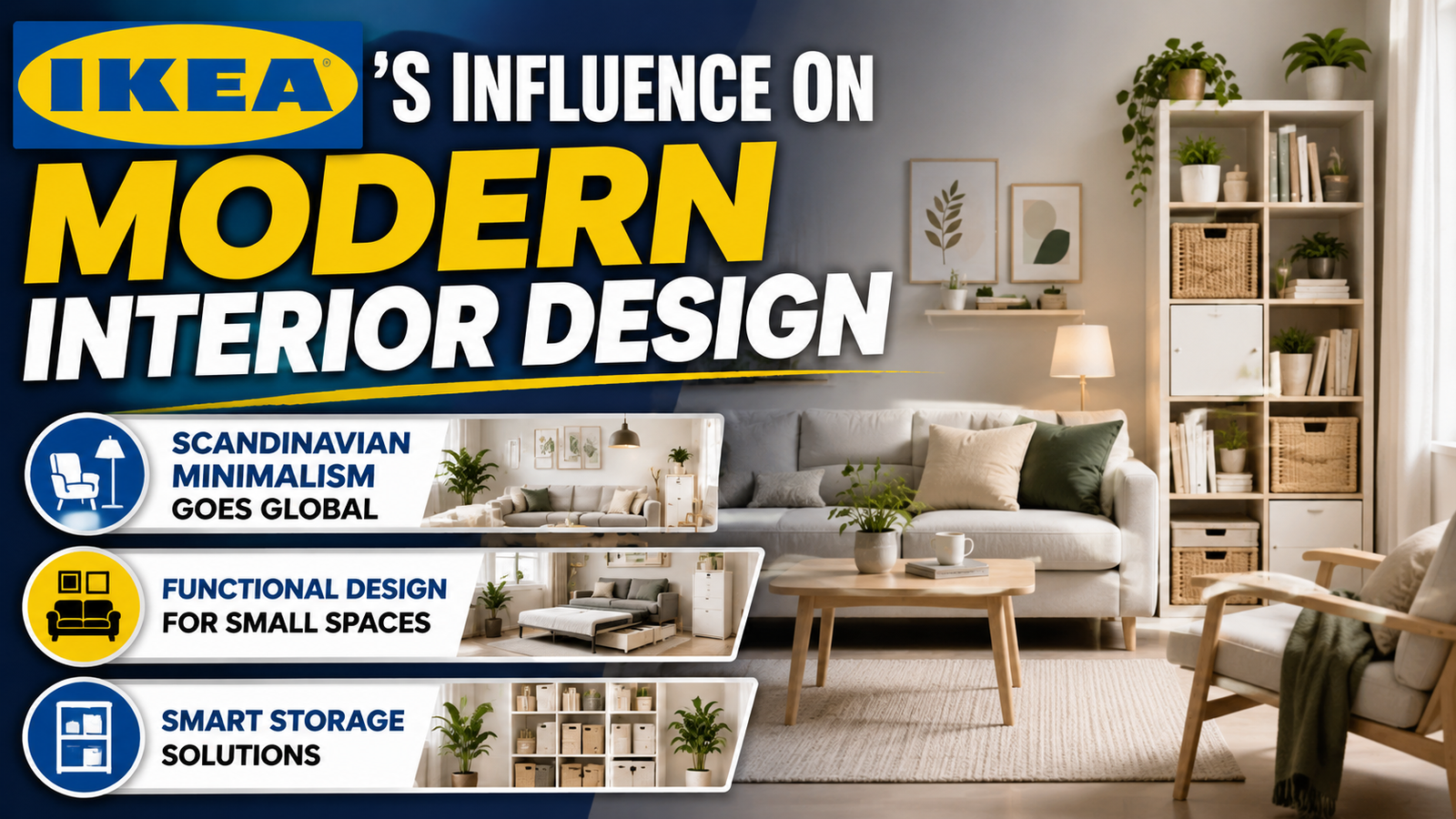
IKEA played a massive role in spreading Scandinavian interior design across the world. Clean lines, neutral colors, natural materials, and functional layouts became globally popular largely because of IKEA’s influence.
Before IKEA, many homes were filled with bulky furniture and heavy decoration. Scandinavian design introduced a lighter, simpler approach focused on comfort and practicality. IKEA made that aesthetic affordable and accessible to millions.
Functional Design for Small Spaces
One reason IKEA became so popular is its focus on functionality. The business is aware that contemporary dwellings frequently have constrained space. Instead of creating oversized furniture, IKEA designs products that maximize efficiency.
From foldable tables to under-bed storage, the brand constantly develops smart solutions for urban living. This practical approach resonates strongly with apartment dwellers and city residents worldwide. Every piece of furniture is designed with usability in mind.
Smart Storage Solutions
Storage is one of IKEA’s greatest strengths. Products like the BILLY bookcase became iconic because they combine simplicity, affordability, and flexibility. IKEA estimates that one BILLY bookcase is sold every five seconds globally.
Here’s a quick look at why IKEA storage products became so successful:
Feature | Benefit |
Modular Design | Easy customization |
Flat-Pack Structure | Simple transportation |
Affordable Pricing | Accessible for all budgets |
Minimalist Style | Fits different interiors |
Multifunctionality | Saves space efficiently |
These products transformed small homes into organized, stylish spaces without requiring expensive renovations.
IKEA’s Marketing and Store Experience
The Famous IKEA Showroom Layout
Walking through an IKEA store feels almost like entering a maze designed by interior decorators. Instead of traditional retail shelves, customers move through fully designed rooms that showcase how products work together.
This showroom strategy changed retail psychology completely. Customers no They were able to see realistic living environments instead of only imagining what furnishings may look like at home. Tiny apartments, family kitchens, and cozy bedrooms helped shoppers visualize possibilities for their own homes.
The store layout also encourages exploration. Customers often discover products they didn’t originally plan to buy. This immersive experience turned furniture shopping into a family outing rather than a boring errand.
Catalogs, Digital Tools, and Online Shopping
For decades, IKEA catalogs were among the most widely distributed publications globally. They inspired homeowners with room ideas, furniture combinations, and design trends. Even people who never bought products often used the catalogs for inspiration.
In recent years, IKEA shifted heavily toward digital experiences. Online shopping, augmented reality apps, and virtual room planners allow customers to visualize furniture inside their homes before purchasing. This digital transformation became essential after the pandemic accelerated e-commerce growth.
Sustainability and Eco-Friendly Innovations
Circular Economy and Recycled Materials
Sustainability has become one of IKEA’s biggest priorities in recent years. The company aims to create a circular economy where products are reused, repaired, and recycled rather than discarded.
According to IKEA’s sustainability initiatives, the company wants at least 90% recycled or renewable content in products while designing furniture for easier reuse and refurbishment. This represents a major shift in how furniture companies think about long-term environmental impact.
IKEA has also introduced buy-back and resale programs in certain markets. Customers can return used furniture, extending product life cycles and reducing waste. These programs align with growing consumer demand for sustainable shopping habits.
Renewable Energy and Sustainable Sourcing
IKEA invests heavily in renewable energy, responsible wood sourcing, and eco-friendly production methods. The company claims most of its wood comes from recycled or FSC-certified sources.
At the same time, IKEA has faced criticism over alleged unsustainable logging practices in some regions. These controversies highlight the challenges global companies face when managing complex supply chains. IKEA consumes enormous amounts of materials every year, making sustainability at this scale extremely difficult.
How IKEA Made Scandinavian Design Popular Worldwide
Scandinavian interior design became a global trend largely because of IKEA’s affordable and minimalist furniture collections. This section can explore the core characteristics of Scandinavian design, such as simplicity, neutral color palettes, natural lighting, and functionality. Explain how IKEA introduced these ideas to millions of households that previously preferred traditional heavy furniture styles. You can also discuss how modern homeowners now favor clutter-free spaces and cozy interiors inspired by Nordic living concepts.
Best IKEA Furniture Products That Changed Home Design
Create a dedicated section featuring iconic IKEA products like the BILLY Bookcase, MALM Bed, KALLAX Shelving Unit, and POÄNG Chair. Discuss why these products became so popular across different countries and generations. Readers love practical examples, so explaining how these products solve storage and space-saving problems can improve engagement. Adding product comparisons and usage ideas for small apartments can also help with SEO rankings.
IKEA in the Digital Era
IKEA in the Digital Era
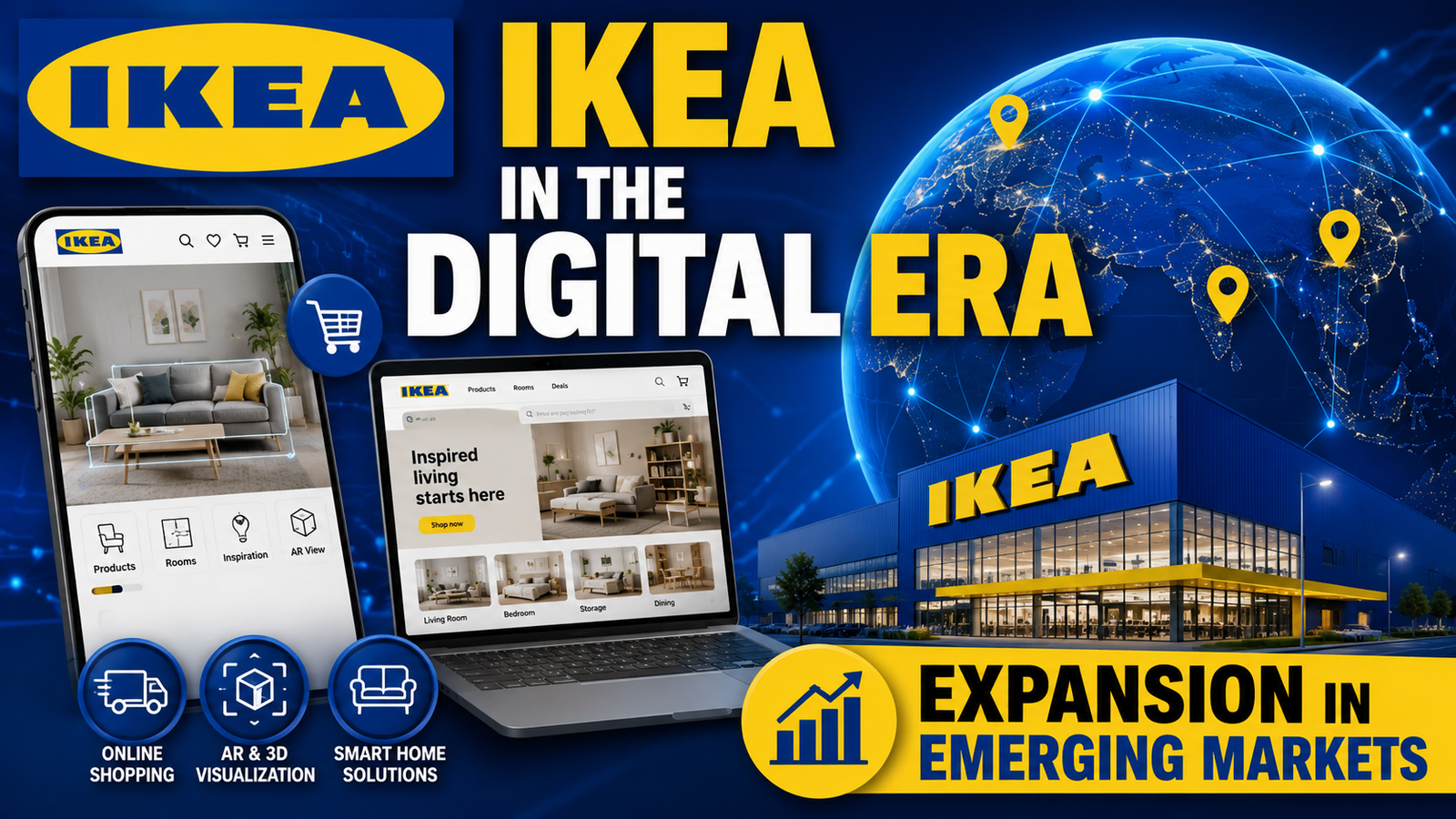
Like many global retailers, IKEA has embraced technology to stay competitive. The company now offers smart lighting, smart blinds, and home automation products designed for everyday consumers.
This move into smart home technology reflects changing consumer lifestyles. People increasingly want connected homes that improve convenience and energy efficiency. IKEA’s approach focuses on simplicity and affordability rather than luxury technology.
E-commerce expansion has also become a major priority. Consumers today expect fast online shopping, home delivery, and digital customization tools. IKEA continues investing heavily in online platforms and smaller urban stores to adapt to these expectations.
Expansion in Emerging Markets
Emerging markets like India represent huge opportunities for IKEA’s future growth. The company has increased investment in India, focusing on localized products, digital infrastructure, and supply chain development.
This strategy makes sense because urbanization and rising middle-class populations create strong demand for affordable furniture. Compact apartments and changing lifestyles align perfectly with IKEA’s strengths.
Criticism and Challenges Faced by IKEA
Environmental Concerns
Despite its popularity, IKEA has faced significant criticism over sustainability issues. Environmental organizations have questioned some sourcing practices, particularly involving timber and forest management.
Critics argue that producing massive volumes of inexpensive furniture can encourage disposable consumption habits. Some customers replace low-cost furniture more frequently than durable premium products, potentially increasing waste.
These concerns create an interesting contradiction. IKEA promotes affordability and accessibility while also attempting to champion sustainability. Balancing those goals is extremely challenging for any large-scale retailer.
Still, the company continues investing in circular economy programs, renewable materials, and eco-friendly initiatives. The pressure from environmentally conscious consumers will likely push IKEA toward even stronger sustainability practices in the future.
Competition in the Modern Furniture Market
IKEA no longer dominates the affordable furniture market alone. Online retailers, direct-to-consumer brands, and fast furniture startups now compete aggressively for younger consumers.
Brands offering faster shipping, customizable products, and trendy aesthetics challenge IKEA’s traditional strengths. Consumer expectations have evolved dramatically in the digital age. Shoppers now want convenience, sustainability, personalization, and affordability all at once.
The Lasting Impact of IKEA on Global Living
How IKEA Inspired Other Furniture Brands
Almost every modern furniture retailer has borrowed ideas from IKEA in some form. Flat-pack shipping, modular storage, showroom displays, and minimalist design are now industry standards rather than unusual innovations.
The company also inspired broader cultural trends. DIY home improvement, minimalist living, and affordable interior design became mainstream partly because IKEA made them accessible to ordinary consumers.
The Future of DIY Furniture and Interior Design
Looking ahead, IKEA will likely continue shaping how people live, shop, and design homes. Smart furniture, sustainable materials, and modular living solutions will probably become even more important as urban populations grow.
The DIY movement is also evolving. Consumers increasingly value customization, creativity, and personal expression. IKEA’s flexible products naturally support those trends.
At its core, IKEA succeeded because it understood something simple but powerful: people want homes that feel beautiful, functional, and personal without costing a fortune. That idea remains just as relevant today as it was decades ago.
Conclusion
IKEA didn’t just sell furniture—it changed the way the world thinks about home living. By introducing flat-pack furniture, affordable pricing, self-assembly, and Scandinavian-inspired design, IKEA transformed furniture shopping into an accessible and creative experience. The company empowered millions of people to design their own spaces, fueling the rise of DIY culture across generations.
Its influence stretches far beyond retail stores. IKEA shaped modern interior design trends, inspired global minimalism, and introduced psychological concepts like the IKEA Effect into mainstream conversation. At the same time, the company continues evolving through sustainability initiatives, digital innovation, and expansion into emerging markets.
Frequently Asked Questions
Q. Why is IKEA furniture so popular?
IKEA furniture is popular because it combines affordability, modern design, and functionality. Customers also enjoy the DIY assembly process and flexible storage solutions that fit small living spaces.
Q. What is the IKEA Effect?
The IKEA Effect is a psychological phenomenon where people value products more when they help create or assemble them themselves. It explains why customers often feel attached to self-assembled furniture.
Q. How did IKEA influence interior design?
IKEA popularized Scandinavian minimalism, multifunctional furniture, and space-saving layouts. The company made modern interior design affordable and accessible worldwide.
Q. Is IKEA environmentally friendly?
IKEA has invested heavily in sustainability initiatives like recycled materials, renewable energy, and circular economy programs. However, the company has also faced criticism regarding some sourcing practices.
Q. What makes IKEA different from traditional furniture stores?
Unlike traditional furniture retailers, IKEA focuses on flat-pack furniture, self-service shopping, customer assembly, and affordable pricing. Its showroom experience also helps customers visualize complete room designs.

Recent Post

Exploring Smarter Personal Data Protection Strategies with Incogni

Understanding Modern Crypto Finance Solutions and the Role of Nexo

Key Factors to Know Before Exploring Bellway Products

Exploring Modern Beauty Tools and the Growing Appeal of Luxie

How Innovative Consumer Products Are Changing With Dip Devices

What Makes Creative Haircare Stand Out With IGK Hair?

A Beginner-Friendly Guide to Understanding R+R Medicinals CBD

A Complete Guide to Choosing the Right Products From R+Co

A Complete Guide to Building a Simple Routine With Bubble Skincare
Releted Post