


If you’re new to online marketplaces or dipping your toes into international shopping, you’ve probably heard of DHgate— a massive Chinese e-commerce platform where you can find almost anything from electronics to fashion at rock‑bottom prices. But before you click “buy now,” it’s crucial to understand how DHgate really works, what the risks are, and how to protect yourself when shopping. Think of this as your complete beginners’ guide to buying on DHgate — the smart, safe, and savvy way.
Table of Contents
DHgate is a Chinese online marketplace launched in 2004 that connects buyers around the world with independent sellers — mostly based in China — offering a massive variety of products. It’s often compared to sites like eBay or AliExpress, but its roots are focused on wholesale and cross‑border trade. That means it has millions of listings and sellers, and you can often buy a single item or bulk quantities depending on your needs.
Unlike platforms that operate their own inventory, DHgate simply hosts sellers and facilitates orders. DHgate holds your payment in escrow until you confirm receipt of the item, giving you a layer of buyer protection that’s especially important when shopping internationally.
Founded in Beijing, China, DHgate grew rapidly in the early 2000s as a bridge between Chinese manufacturers and overseas buyers. Today, it boasts millions of sellers and offers products to users in over 200 countries, though the experience varies based on what you’re buying and who you’re buying from.
At its core, DHgate acts as an intermediary. Sellers list their products, you find a listing you like, and your payment is kept in escrow until you confirm delivery — this gives you some leverage if the seller doesn’t deliver as promised. The downside is that product quality and delivery reliability depend almost entirely on the individual seller, not DHgate itself.
When you’re comparing DHgate to other shopping sites, the differences matter.
Both DHgate and Alibaba are Chinese marketplaces, but they serve slightly different buyers. Alibaba is traditionally a wholesale B2B platform requiring large minimum orders, while DHgate lets you order single units or small quantities without bulk commitments. That makes DHgate more accessible to everyday shoppers and small businesses.
AliExpress, owned by Alibaba Group, is another low‑cost marketplace that also serves global buyers. The main difference is that AliExpress often enforces stricter seller standards and customer protection, whereas DHgate tends to have more varied seller quality and a broader range of replica or unbranded items.
Yes — the platform itself is legitimate, with millions of buyers and sellers around the world. But “legit” doesn’t always mean “risk‑free.” Your experience depends heavily on the seller you choose.
Payment is held in escrow by DHgate until you attest to receiving your merchandise as promised. This means:
However, compared to marketplaces with centralized fulfillment (like Amazon), the process can be slower, and success isn’t guaranteed.
Many customers complain about things that don’t match the ad photo or description, unpredictable shipping delays (often 2-4 weeks or more), or non-delivery. Because of the variety of sellers and loose quality control, experiences vary widely.
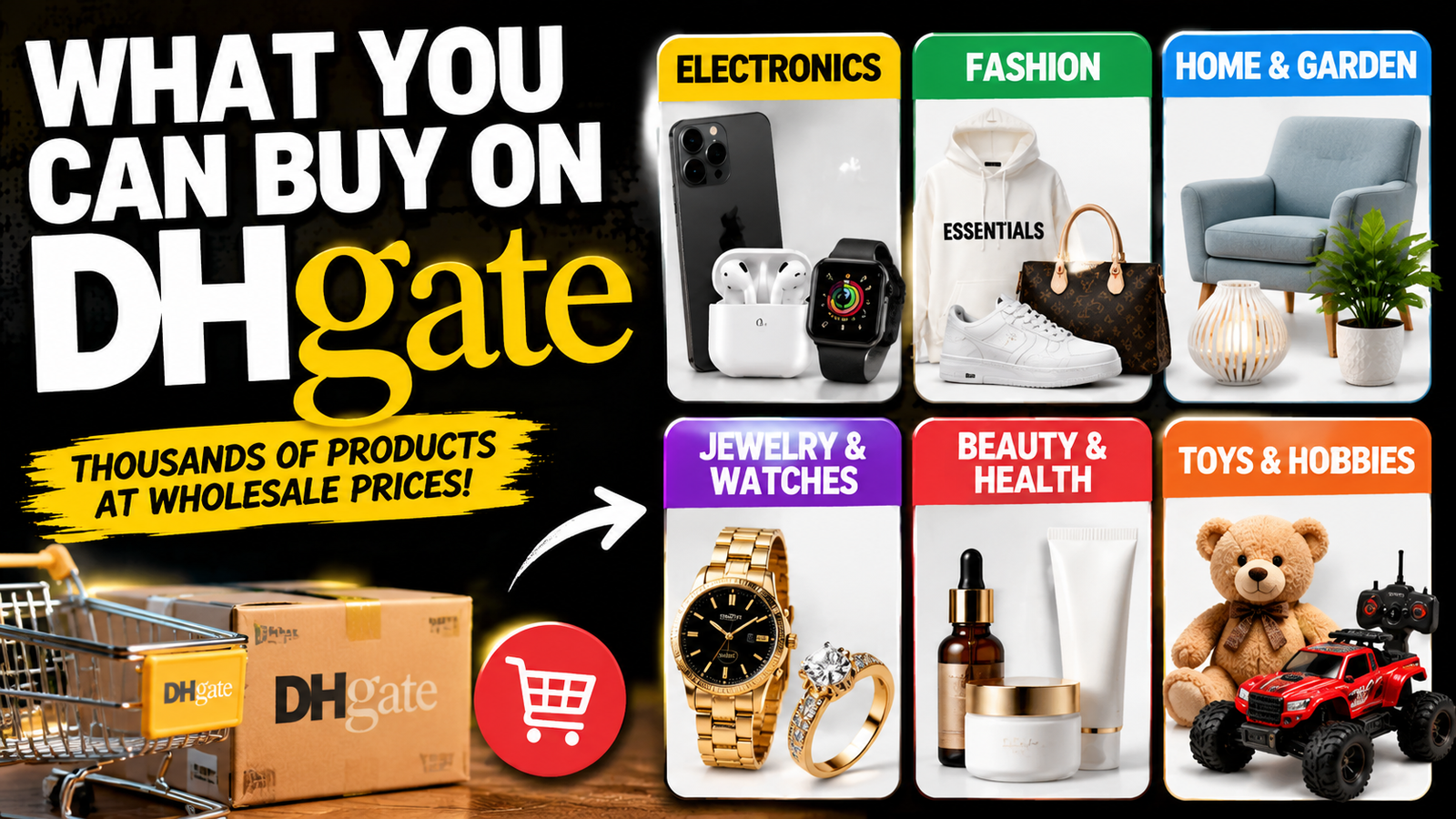
DHgate’s catalog spans millions of products. From fashion and accessories to electronics, home goods, and even custom products, the platform offers near‑endless options.
You’ll often see ultra‑budget prices, which can be tempting — but it’s important to understand why cheap can sometimes mean risky.
You may see listing titles that suggest branded or luxury items. However, many such products are replicas or inspired versions, not genuine items. These can violate IP laws and may be seized by customs in some countries, or fall short of the quality you expect.
Shopping smart on DHgate means knowing the red flags and how to vet sellers properly.
Always read reviews carefully and be wary of listings with only stock images or empty review sections.
The seller’s transaction history, feedback score, and buyer photos are your best clues to reliability. Look for sellers with high positive feedback and many completed orders, and pay special attention to detailed buyer photos in reviews.
If you’re ready to make your first purchase, follow these steps to reduce risk and improve your experience.
Use keywords related to what you want, and take advantage of filters to sort by price, reviews, or seller ranking. Avoid broad brand name searches — these often return inaccurate or unauthorized listings.
Scroll down to the feedback section. Buyer photos and detailed reviews are worth much more than star ratings alone. If every review is generic or looks fake, that’s a red flag.
Understanding how payment works on DHgate is essential for safety.
DHgate typically accepts credit and debit cards, and sometimes PayPal (depending on region). Always pay through the DHgate system — never outside it — or you lose buyer protection.
Escrow means your money is only released to the seller once you confirm delivery and satisfaction. If something goes wrong, you can open a dispute within the protection window to request a refund.
Top Benefits of Using Booking.com North America for Hotel Bookings
Why Invoice Simple Is a Must-Have Tool for Fast and Professional Invoicing
Is MRPeasy the Best ERP for Small Manufacturers?
Hosting Your Website with WebHosting UK Com Ltd.: Pros & Cons
Kiwi BR Explained: Everything You Need to Know Before Getting Started
Shipping varies widely depending on the seller and chosen method.
Depending on your country, your order may be charged duties or taxes upon arrival. Low‑value items sometimes enter with minimal fees, but always check local regulations before you buy.
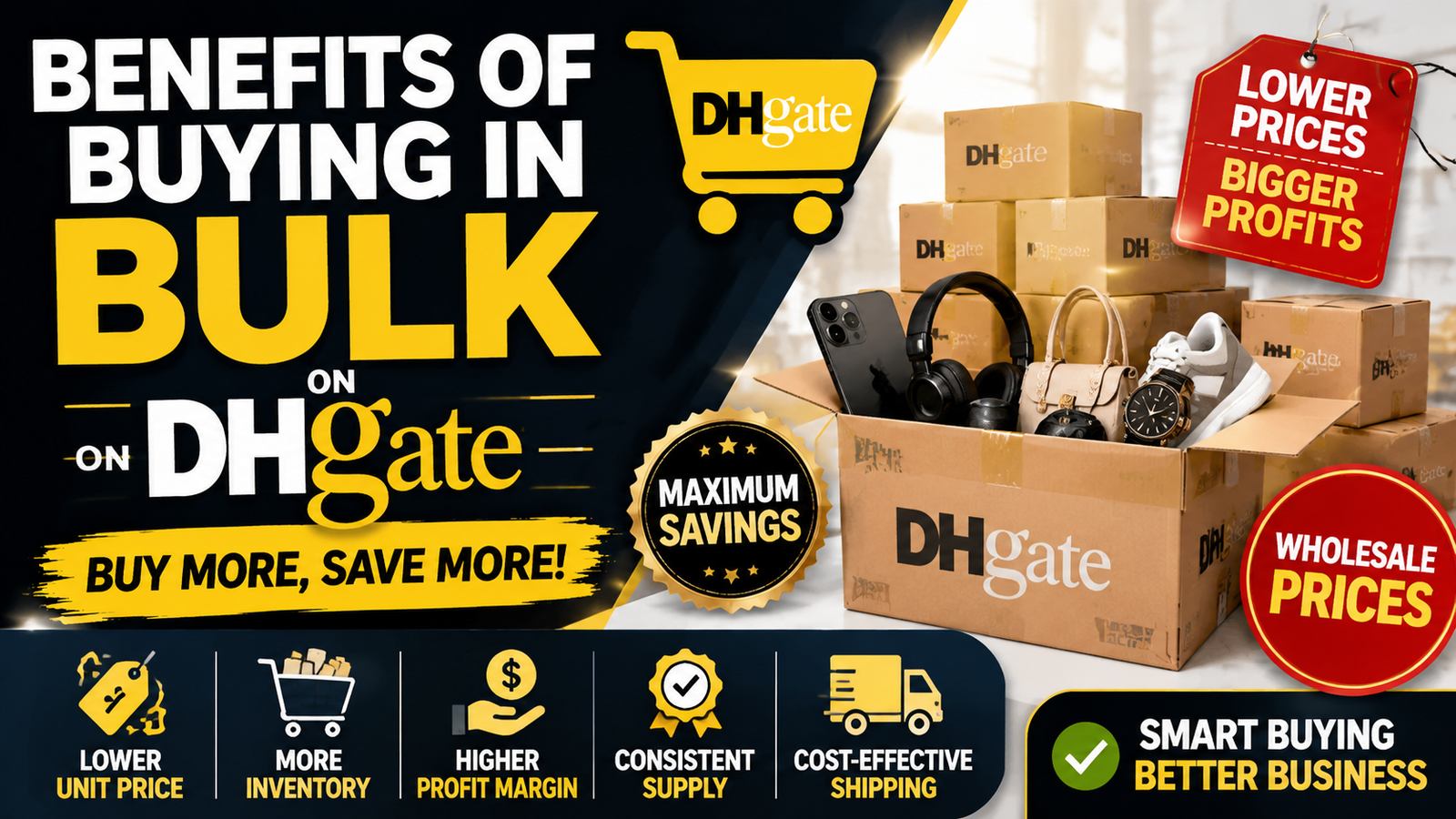
For small business owners or resellers, DHgate provides an opportunity to buy in bulk at discounted prices. Many sellers offer tiered pricing, meaning the more units you buy, the lower the cost per item. This is ideal for entrepreneurs who want to start a small dropshipping business or stock items for resale.
Buying in bulk requires careful planning. You need to calculate shipping costs, potential customs duties, and storage needs. Always order a sample first before committing to large quantities. This ensures product quality and reduces risk. With careful planning, buying in bulk on DHgate can increase profit margins while still keeping your initial investment relatively low.
When browsing DHgate, beginners often make the mistake of buying products based solely on price. While it’s tempting to pick the cheapest option, price alone doesn’t guarantee quality. Focus on products that have multiple reviews, photos from real buyers, and detailed descriptions.
Popular categories for beginners include phone accessories, home gadgets, small electronics, clothing, and fashion jewelry. These products usually have a lower risk factor because they are inexpensive, easy to ship, and have consistent quality across multiple sellers. Avoid buying high-end luxury brands or expensive electronics at first, as these items often come with higher risk for counterfeit or damaged goods. Starting with smaller, low-cost purchases lets you test both the seller and the shipping process before making bigger investments.
Never risk a large sum on your first purchase. Test with a small, inexpensive item first to gauge seller reliability and shipping times. This protects you and builds confidence for future orders.
Ask sellers questions before buying. Request real photos of the product, confirm shipping times, and clarify return policies. Sellers who respond quickly and clearly are usually more reliable.
DHgate can be a powerful resource if you know how to use it — offering vast product choice and competitive prices. However, the experience is highly dependent on seller quality, shipping methods, and your own due diligence. By understanding how the platform works, carefully vetting sellers, and using buyer protection features wisely, you can enjoy low prices without falling prey to common pitfalls. Shop smart, stay skeptical, and use DHgate strategically for the best results.
Yes — DHgate is a legitimate international marketplace, but safety depends on selecting trustworthy sellers and using buyer protection wisely.
Shipping times vary widely: standard shipping can take several weeks, while express options may arrive in 7–15 days.
Yes — if you open a dispute within the buyer protection window, DHgate may refund you if the item is not as described.
Be cautious: many branded listings are replicas or unauthorized items and could be seized by customs.
Check seller feedback carefully, look for buyer photos, avoid unrealistically low prices, and never pay outside the DHgate platform.

Recent Post
How Weblium.com Helps Simplify the Website Creation Process

Understanding Supplement Selection and Quality at BulkSupplements.com

How Digital Solutions Are Evolving With CHENGDU OUMEI NETWORK INFORMATION L.T.D

Beauty Trends Worth Exploring With Dominique Cosmetics – 122027

The Growing Role of 3D Scanning and Revopoint 3D Technologies Inc

Why Fitness Fashion Lovers Are Exploring WISKII ACTIVE LIMITED

Improving Website Performance and User Experience With Strategy11

Website Design Trends and the Growing Role of Weblium.com

Photography Styling Trends and the Role of KATE BACKDROP INC
A Guide to Finding Everyday Fashion Inspiration on rihoas.com
Releted Post