

MEL Science Marketing Strategy: How STEM Brands Engage Families explores how MEL Science successfully connects with parents and children through education-first branding, engaging content, subscription models, and community-driven marketing. This post breaks down proven STEM marketing tactics that help brands build trust, boost engagement, and create long-term loyalty among families.
Table of Contents
In today’s digital-first world, grabbing the attention of families isn’t easy—especially when it comes to education. Kids want fun. Parents want value. MEL Science sits right at the sweet spot between those two desires, and that’s exactly why its marketing strategy works so well.
STEM brands like MEL Science don’t just sell products. They sell curiosity, confidence, and future-ready skills. And that changes everything about how marketing is done.
Here’s the twist: kids don’t have credit cards. Parents do.
STEM brands must market to two audiences at once:
MEL Science balances both brilliantly—and that’s the foundation of its marketing success.
Marketing STEM products isn’t like selling toys or gadgets. It’s deeply emotional and aspirational.
Parents want to feel like they’re making the “right” choice for their child’s future. MEL Science taps into this by positioning its kits as tools for:
Kids, meanwhile, see colorful experiments, explosions (safe ones!), and hands-on fun.Marketing STEM products isn’t like selling toys or gadgets. It’s deeply emotional and aspirational.
While the product is educational, the purchase decision is emotional. Parents ask:
MEL Science answers all three—clearly and consistently.
Trust is non-negotiable. MEL Science builds it through:
No fluff. Just credibility.
Every successful brand has pillars. MEL Science has three rock-solid ones.
MEL Science never markets itself as a “toy.” It’s always:
This instantly elevates perceived value.
Learning without fun is homework. Fun without learning is distraction.
MEL Science blends both, turning experiments into mini-adventures. Marketing visuals reflect excitement, curiosity, and “wow” moments.
Gamified elements—progress tracking, challenges, rewards—are heavily highlighted in campaigns. Parents love structure. Kids love play. Win-win.
Content is where MEL Science truly shines.
YouTube is gold for STEM brands. MEL Science uses it to:
Watching a child light up during an experiment is powerful. These videos sell the experience, not just the kit.
Parents get:
This positions MEL Science as a partner, not just a seller.
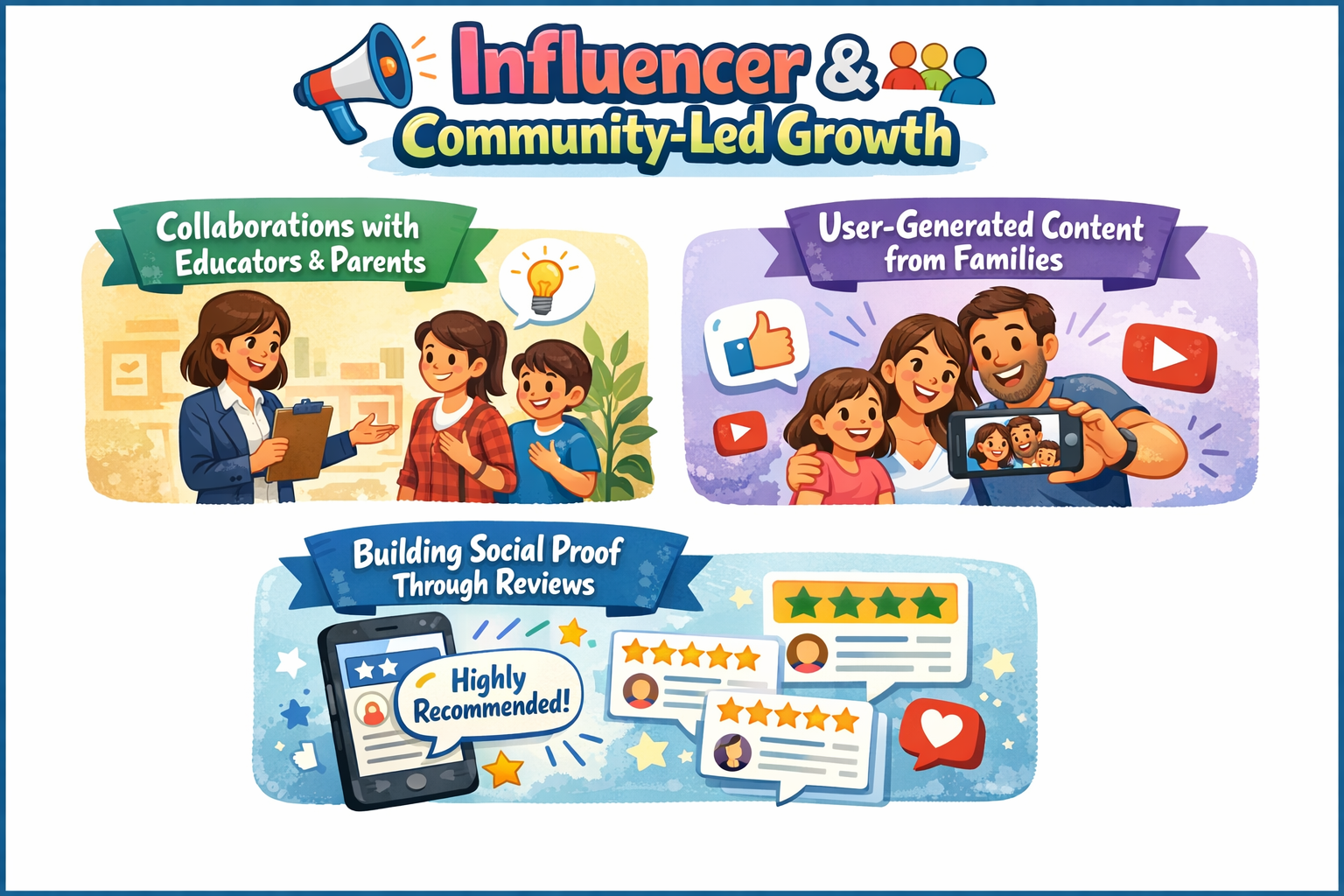
People trust people more than ads.
MEL Science partners with:
These voices feel authentic—and that matters.
Real kids. Real reactions. Real experiments.
UGC adds relatability and boosts conversions across social platforms.
Ratings, testimonials, and video reviews are everywhere—strategically placed where parents make decisions.
Subscriptions are the backbone of MEL Science.
Monthly kits create:
It’s like Christmas every month.
Each box introduces something new. No boredom. No repetition.
Age-based personalization ensures content always feels “just right.”
Paid media fuels growth—but smart targeting fuels efficiency.
Facebook and Instagram ads target:
Parents searching “best STEM kits for kids” often land on MEL Science—thanks to strong SEO.
These are high-intent buyers. MEL Science speaks directly to their needs.
A great ad means nothing if the landing page fails.
Clear headlines. Simple benefits. No jargon.
CTA buttons, comparison charts, and explainer videos guide parents smoothly toward checkout.
Safety badges, expert endorsements, and reviews reduce hesitation instantly.
Restream for Marketing Agencies: Stream Smarter Across Platforms
Time Doctor Marketing Strategy for Remote Work Software
ABCya Marketing Strategy: Building Engagement in EdTech
Lightinthebox Marketing Strategy: How the Brand Scales Global E-Commerce
How edX Affiliate Marketing Works for Course Promotions
Email is where relationships deepen.
New subscribers receive:
Emails don’t just sell—they teach.
Relevant recommendations feel helpful, not pushy.
Data is the silent engine behind the scenes.
A 6-year-old and a 12-year-old need very different experiences. MEL Science knows that.
Behavioral data helps refine:
Smart insights = smarter engagement.
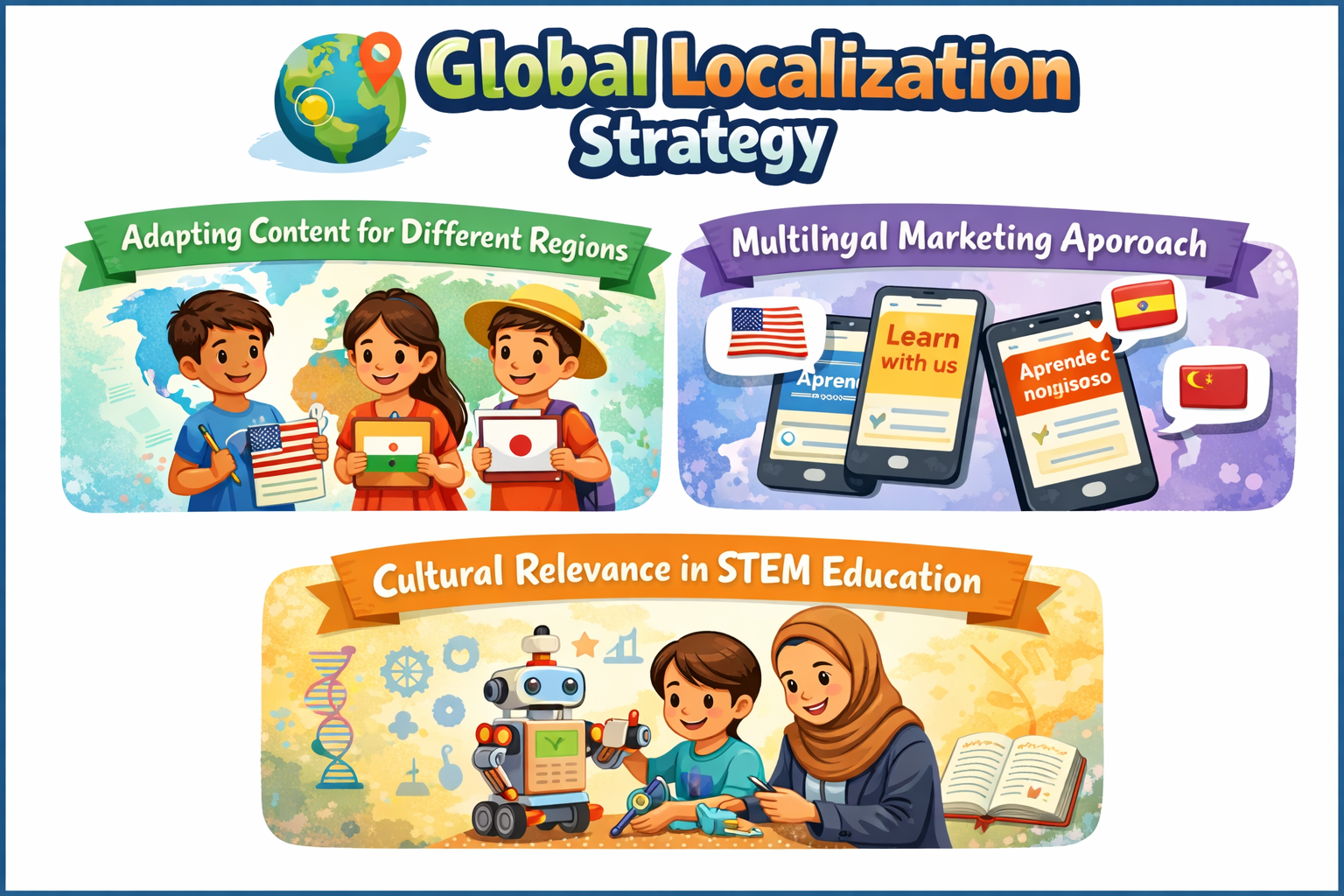
MEL Science is truly global.
Messaging changes based on:
Localized websites and support build trust worldwide.
Science is universal—but how it’s taught isn’t.
Digital doesn’t mean disconnected.
MEL Science participates in:
Physical kits + digital apps = immersive learning.
This strengthens credibility and recall.
Loyalty beats acquisition—every time.
Happy families become brand ambassadors.
Parents share tips, kids share excitement.
That’s the real goal.
The future is interactive—and MEL Science is already there.
Learning by doing is here to stay.
It’s about impact, not inventory.
MEL Science’s marketing strategy is a masterclass in family-focused STEM branding. By blending education with entertainment, trust with excitement, and data with empathy, it creates meaningful connections with families worldwide. For STEM brands looking to grow, the lesson is clear: don’t just sell science—make it an experience worth remembering.
Because it targets both parents’ educational goals and children’s desire for fun.
YouTube, social media, email marketing, and SEO-driven content.
Through expert-backed content, safety standards, and transparent communication.
Yes, especially the focus on content, community, and personalization.
Immersive, personalized, and experience-driven education.

Recent Post
How Weblium.com Helps Simplify the Website Creation Process

Understanding Supplement Selection and Quality at BulkSupplements.com

How Digital Solutions Are Evolving With CHENGDU OUMEI NETWORK INFORMATION L.T.D

Beauty Trends Worth Exploring With Dominique Cosmetics – 122027

The Growing Role of 3D Scanning and Revopoint 3D Technologies Inc

Why Fitness Fashion Lovers Are Exploring WISKII ACTIVE LIMITED

Improving Website Performance and User Experience With Strategy11

Website Design Trends and the Growing Role of Weblium.com

Photography Styling Trends and the Role of KATE BACKDROP INC
A Guide to Finding Everyday Fashion Inspiration on rihoas.com
Releted Post