Time Doctor Marketing Strategy for Remote Work Software
Discover how Time Doctor uses a smart, trust-focused marketing strategy to promote its remote work software. This blog post breaks down how Time Doctor leverages SEO, content marketing, product-led growth, and customer trust to attract, convert, and retain remote teams, agencies, and global businesses in today’s distributed work environment.
Nowadays, working remotely is the new standard rather than a fad. Companies across the globe are embracing distributed teams, flexible schedules, and outcome-based performance. But here’s the catch: managing productivity without being physically present is tough. That’s exactly where tools like Time Doctor come in.
Marketing remote work software isn’t like selling a regular SaaS tool. You’re not just selling features—you’re selling trust, visibility, and peace of mind. Let’s break down how Time Doctor positions itself and wins in this competitive market.
Understanding Time Doctor as a Product
There is more to Time Doctor than just keeping track of time. It’s a productivity and workforce analytics platform designed for remote, hybrid, and in-office teams.
Core Features That Drive Value
Time Doctor’s marketing strategy revolves around clearly communicating these benefits:
Time Tracking and Productivity Analytics: Shows how time is actually spent.
Employee Monitoring and Reporting: Helps managers make informed decisions without guesswork.
Payroll and Integrations: Seamless integration with tools like project management and payroll systems.
The key? Framing these features as empowerment tools, not surveillance.
Target Audience Analysis
Time Doctor doesn’t try to market to everyone. Its messaging is carefully tailored.
SMBs want accountability without overhead.
Remote-first companies need visibility across time zones.
Agencies and freelancers rely on accurate billable hours.
Enterprises care about compliance, reporting, and scalability.
Each segment gets customized messaging, landing pages, and use cases.
Unique Value Proposition of Time Doctor
What makes Time Doctor stand out in a crowded SaaS market?
Transparency without micromanagement
Actionable productivity insights
Clear accountability for distributed teams
The brand avoids fear-based messaging. It’s more like “understand how work really happens” than “watch your employees.”
Every campaign is optimized continuously—no guesswork.
Future Marketing Opportunities for Time Doctor
The future is exciting.
AI-powered productivity insights
Thought leadership around the future of work
Deeper enterprise storytelling
Data-backed remote work benchmarks
Time Doctor is well-positioned to lead the conversation.
Conclusion
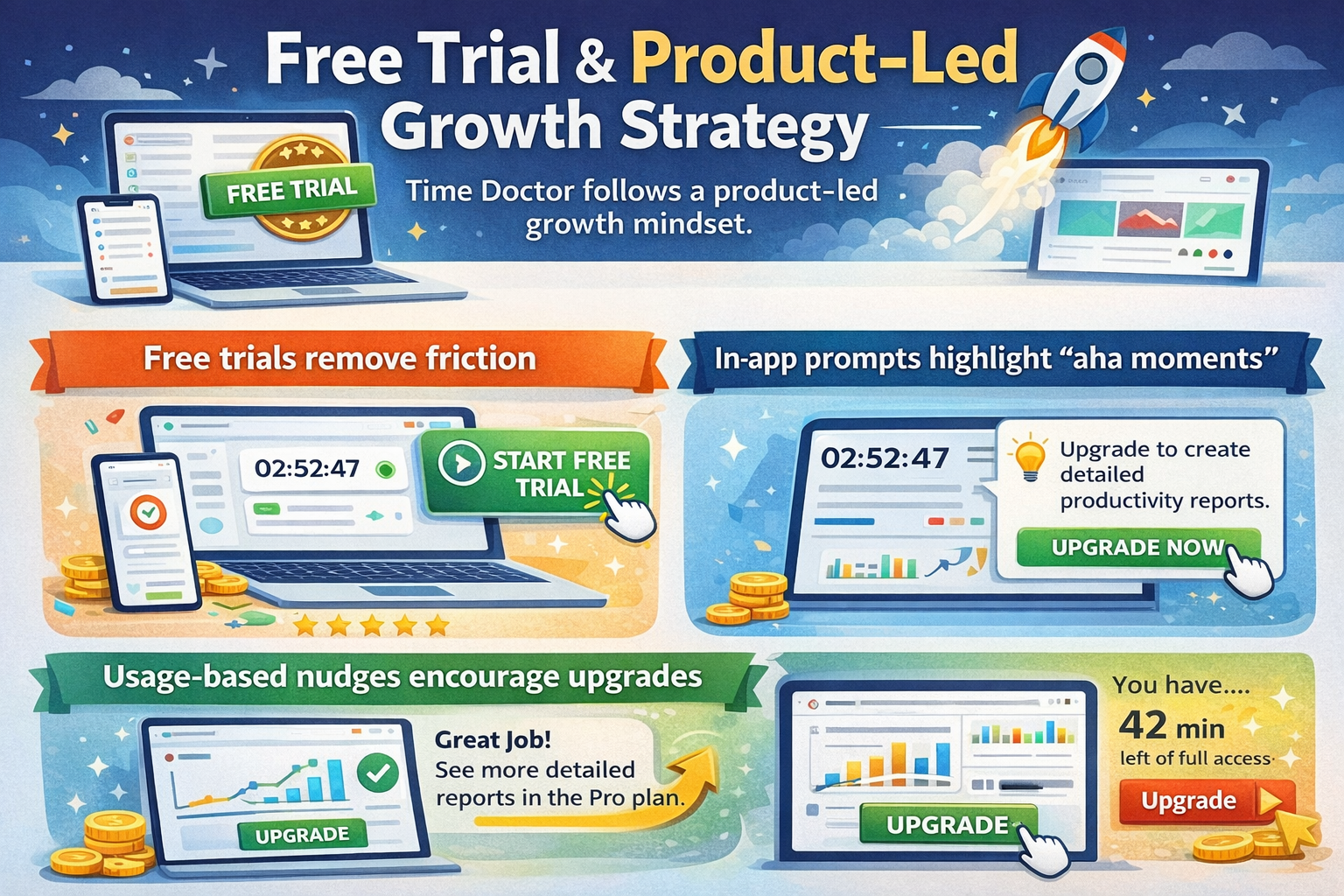
Time Doctor’s marketing strategy works because it’s human. It understands the real challenges of remote work and speaks directly to them—without hype or fear. By combining SEO, content, product-led growth, and trust-based messaging, Time Doctor doesn’t just sell software. It sells clarity, confidence, and control in a remote-first world.
Frequently Asked Questions
Q. What makes Time Doctor’s marketing strategy effective?
Its focus on education, trust, and real-world use cases rather than aggressive sales tactics.
Q. Is Time Doctor suitable for small remote teams?
Yes, it’s designed to scale from freelancers to enterprises.
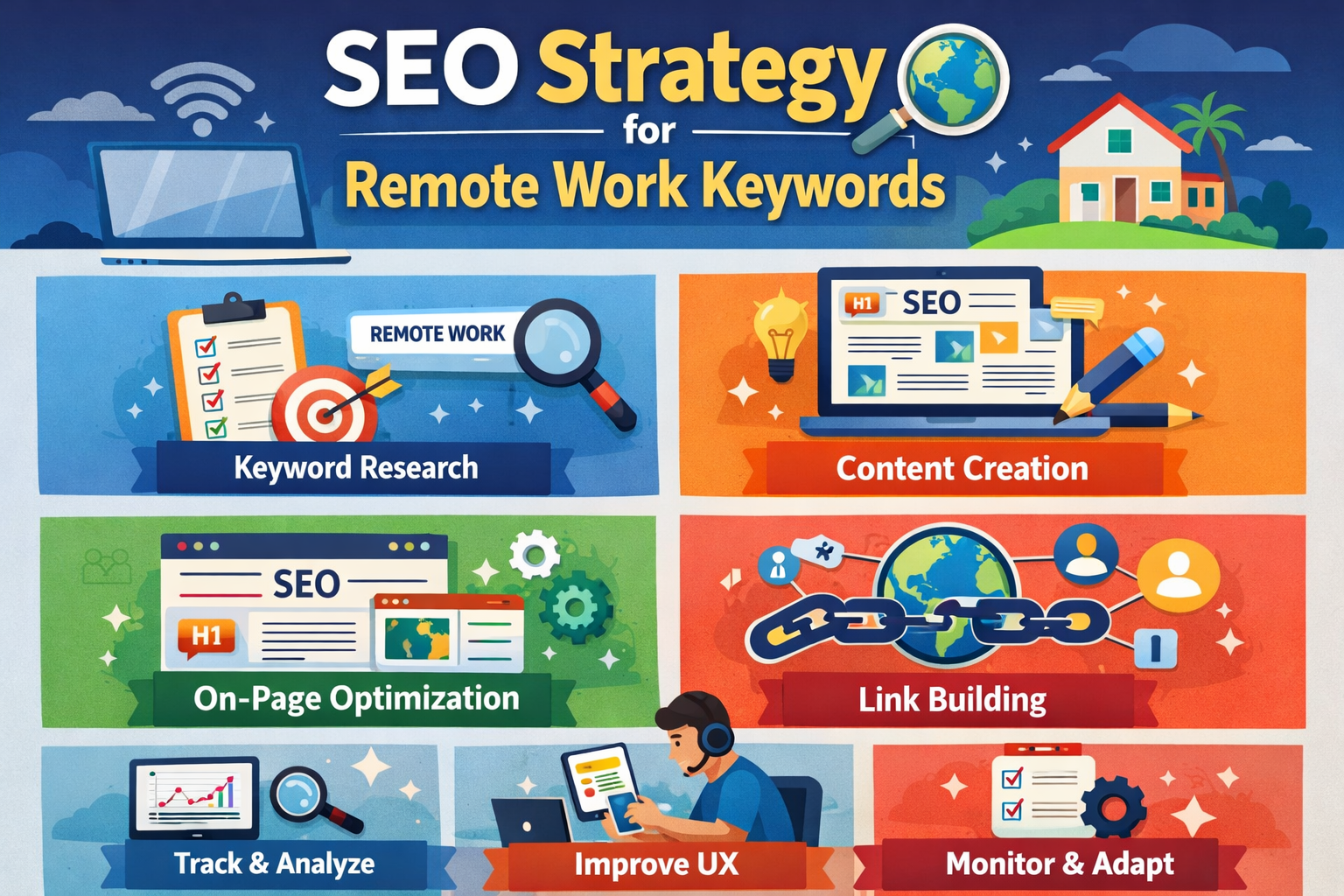
Q. How does Time Doctor use SEO for growth?
By targeting high-intent remote work and productivity keywords with in-depth content.
Q. Does Time Doctor rely on paid ads?
Paid ads support growth, but organic channels like SEO and content are core drivers.
Q. Can Time Doctor’s strategy be replicated by other SaaS tools?
Absolutely—especially the product-led growth and trust-first messaging approach.