How to Build a High-Converting Digital Campaign for Boots Brands
Learn how to build a high-converting digital campaign for Boots brands using proven marketing strategies, audience targeting, compelling content, and data-driven optimization to boost traffic, engagement, and online sales.
Before you jump into ads, creatives, and budgets, let’s slow down for a second. Boots aren’t just another product on a shelf. They’re personal. People associate them with comfort, durability, fashion, adventure, and sometimes even identity.
What Makes Boots Brands Unique
Unlike fast-moving consumer goods, boots are considered a thoughtful purchase. Customers care about:
Fit and comfort
Material quality
Brand reputation
Long-term value
Your digital campaign must reflect this decision-making process. You’re not selling “just boots”; you’re selling confidence for a long walk, protection at work, or style on the street.
Customer Buying Behavior in Footwear
Most buyers don’t convert on the first visit. They browse, compare, read reviews, and come back later. That’s why high-converting campaigns for boots brands are built like a journey, not a single ad.
Defining Clear Campaign Goals
A campaign without a goal is like walking in new boots without knowing the destination. Painful and pointless.
Brand awareness campaigns focus on reach and engagement. Sales campaigns focus on conversions. Mixing both without clarity usually leads to wasted spend.
Setting SMART Marketing Objectives
Your goals should be:
Specific (Increase online boot sales)
Measurable (By 25%)
Achievable
Relevant
Time-bound (In 60 days)
Clear goals guide every creative, keyword, and landing page decision.
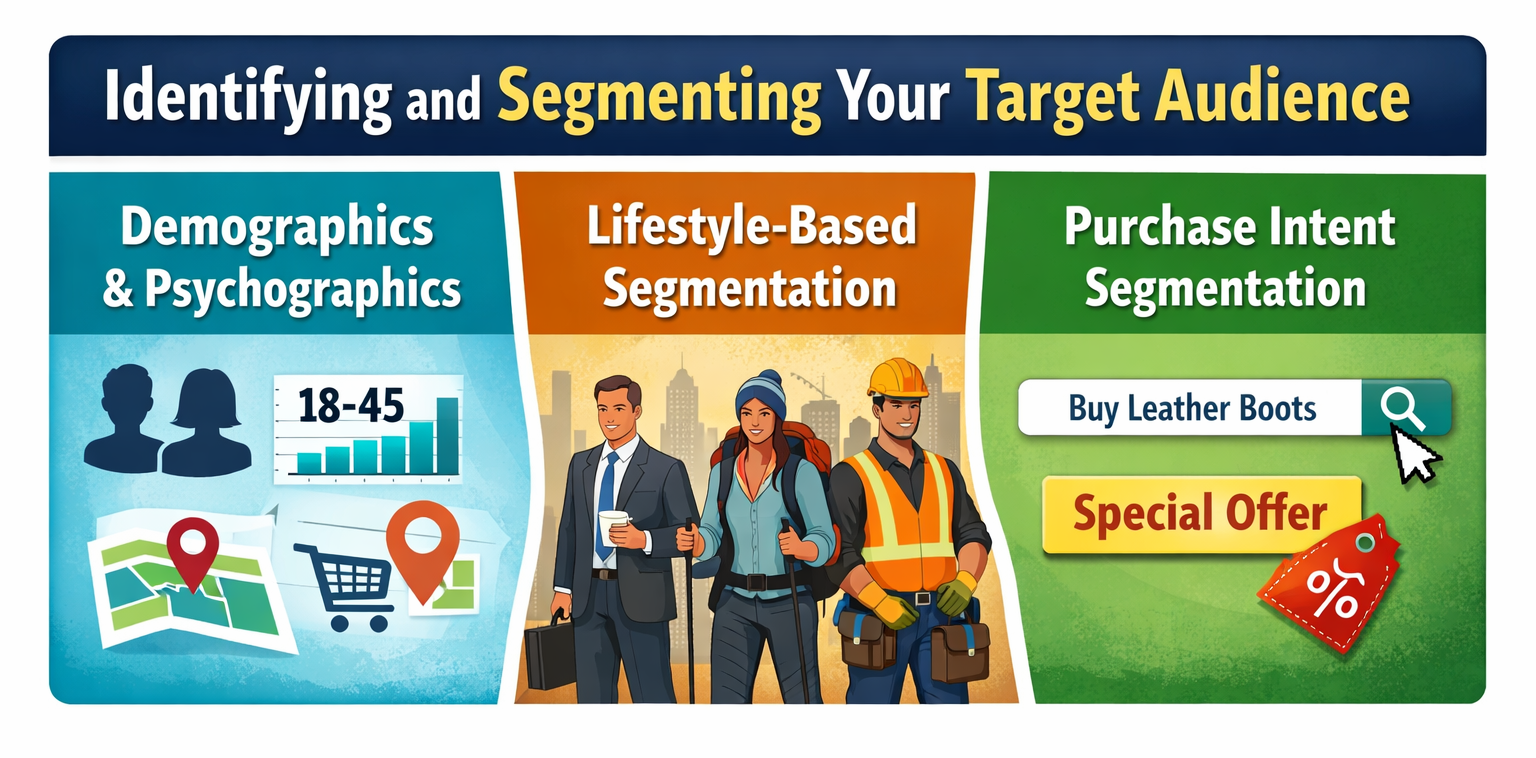
Identifying and Segmenting Your Target Audience
Not everyone wears the same boots for the same reason. Treating all customers the same is a conversion killer.
Demographics and Psychographics
Basic data like age, gender, and location matters. But what really converts is understanding why they buy.
Lifestyle-Based Segmentation
Some examples:
Urban professionals looking for stylish leather boots
Outdoor enthusiasts needing rugged trekking boots
Industrial workers prioritizing safety boots
Each group needs different messaging.
Purchase Intent Segmentation
Someone browsing “best winter boots” needs education. Someone searching “buy leather boots online” needs an offer. Match intent with content.
Micro-influencers often deliver better engagement and authenticity, especially in niche footwear markets.
Reviews, Testimonials, and Social Proof
Show real customers wearing real boots. This removes buying hesitation instantly.
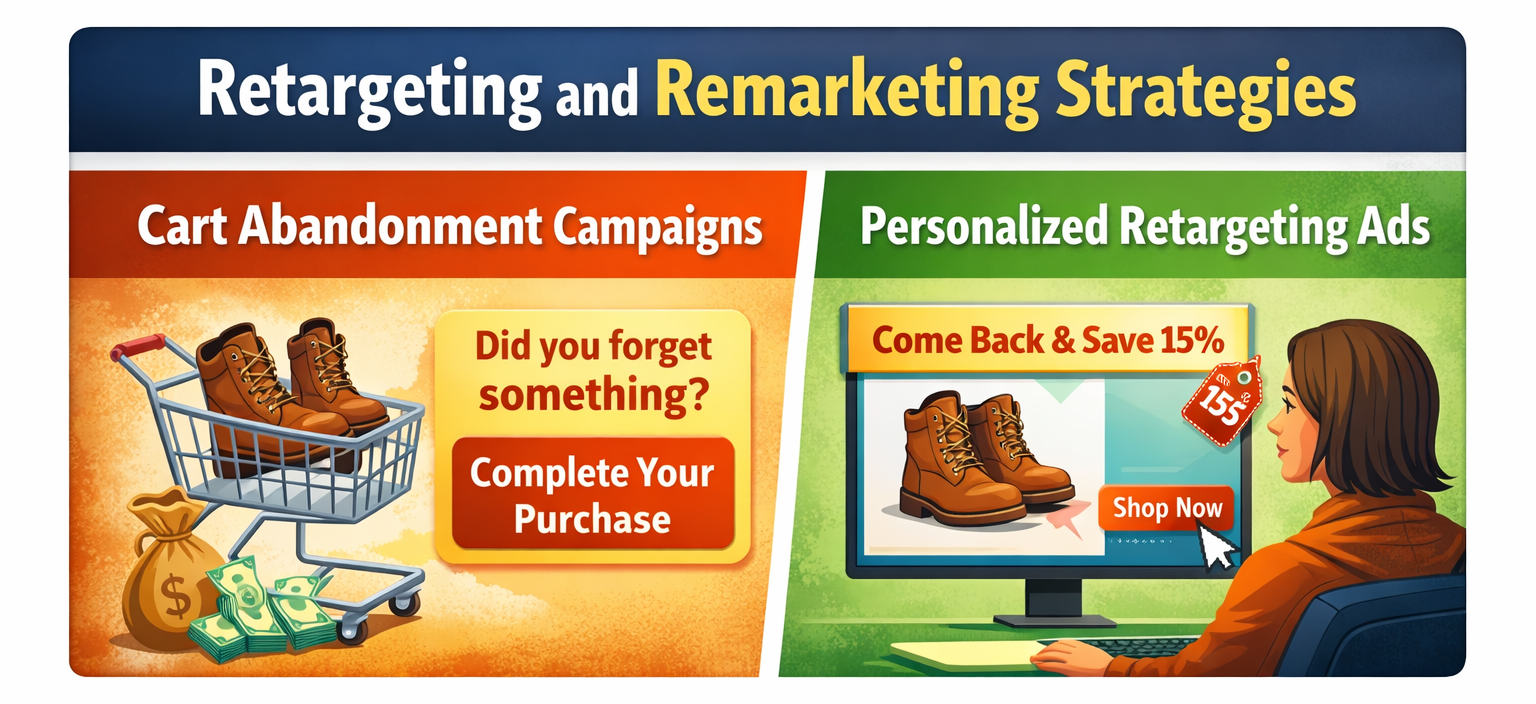
Retargeting and Remarketing Strategies
Most visitors won’t buy on the first visit. That’s normal.
Cart Abandonment Campaigns
Remind users what they left behind. Add a small incentive if needed.
Personalized Retargeting Ads
Show the exact boots they viewed. Familiarity boosts conversions.
Budget Allocation and ROI Optimization
Spend smart, not loud.
Paid vs Organic Spend
Balance:
Paid ads for quick wins
Organic content for long-term growth
Scaling What Works
Double down on campaigns that convert. Pause what doesn’t.
Common Mistakes to Avoid
Ignoring Mobile Optimization
Most users browse footwear on mobile. If your site isn’t mobile-friendly, conversions leak.
Weak Messaging and Poor Offers
Great boots with boring messaging still won’t sell. Make your offer clear and compelling.
Future Trends in Digital Campaigns for Boots Brands
AI-Driven Personalization
Personalized recommendations and dynamic ads are becoming the norm.
Omnichannel Experiences
Customers move between devices and platforms. Your message must stay consistent everywhere.
Conclusion
Building a high-converting digital campaign for boots brands isn’t about flashy ads or big budgets. It’s about understanding your customer, telling a compelling story, choosing the right channels, and continuously optimizing with data. When strategy and creativity walk together, conversions follow naturally.
Frequently Asked Questions
Q. How long does it take to see results from a digital campaign for boots brands?
Usually 30–90 days, depending on budget, channels, and optimization efforts.
Q. Which platform works best for boots marketing?
Instagram and search ads perform best, but results depend on audience and goals.
Q. Are influencers necessary for footwear campaigns?
Not mandatory, but they significantly boost trust and conversions.
Q. How important is content marketing for boots brands?
Extremely important. Content educates buyers and supports SEO and conversions.
Q. Can small boots brands compete with big brands digitally?
Yes. With clear positioning, niche targeting, and smart campaigns, smaller brands often outperform bigger ones.