

How BIK BOK Became a Leading Fast-Fashion Brand in Europe
The European fashion market is one of the most competitive industries in the world. Europe’s shopping malls and online fashion stores are largely ruled by major brands such as Zara, H&M, Mango, and Bershka. Despite competing with these global fashion giants, BIK BOK successfully created its own unique identity in the fast-fashion industry and became one of the most recognized fast-fashion brands in the Nordic region. Founded in Norway in 1973, BIK BOK transformed from a small local retailer into a modern fashion company that connects deeply with young women across Europe.
Affordable pricing is not the only reason behind BIK BOK’s success. The brand blended Scandinavian minimalism, strong social media presence, fashion-forward collections, and customer-focused marketing strategies to create lasting customer loyalty. While many fast-fashion companies focused only on speed and low prices, BIK BOK worked on creating a lifestyle image that appealed to modern European consumers. This strategy helped the company survive in a highly crowded market where trends change almost every week.
Table of Contents
- 1 Introduction
- 2 The Early Beginning
- 3 Fashion Market in the 1970s
- 4 Early Focus on Young Women’s Fashion
- 5 Building a Scandinavian Identity
- 6 Features of BIK BOK
- 7 Fast-Fashion Business Strategy
- 8 Understanding the European Fast-Fashion Market
- 9 BIK BOK’s Scandinavian Fashion Identity
- 10 Advantages and Disadvantages of BIK BOK
- 11 Expansion Across Europe
- 12 How BIK BOK Competes With Fashion Giants
- 13 The Future of BIK BOK in Europe
- 14 Conclusion
- 15 Frequently Asked Questions
Introduction
BIK BOK is one of the most recognized Scandinavian fast-fashion brands in Europe. Founded in Norway in 1973, the company built its reputation by offering trendy, affordable, and youth-focused fashion for women. Over the years, BIK BOK expanded across several European countries and became popular for its modern Nordic style, stylish collections, and strong online presence. The brand mainly targets young consumers who want fashionable clothing without spending luxury-level prices.
BIK BOK became successful because it understood changing fashion trends and consumer behavior. The company combines Scandinavian minimalism with global fashion trends, creating outfits that are both stylish and practical. Through social media marketing, influencer collaborations, and frequent collection updates, BIK BOK has remained relevant in the highly competitive fast-fashion market. Today, the brand continues to grow by focusing on digital shopping experiences, trend-driven designs, and affordable pricing.
The Early Beginning
Founding of BIK BOK
BIK BOK started its journey in Norway in 1973. During that period, Europe’s fashion industry was changing rapidly as younger consumers wanted stylish clothing at affordable prices. Many traditional clothing stores were still selling expensive fashion with limited variety, which created a gap in the market. BIK BOK recognized this opportunity early and decided to focus mainly on young women who wanted trendy outfits without spending huge amounts of money. This simple but powerful idea became the foundation of the company’s future growth.
The company initially operated as a small retail chain in Norway. Instead of trying to compete with luxury fashion houses, BIK BOK focused on everyday wear that looked modern and fashionable. This approach worked because young shoppers were becoming more interested in fast-changing trends inspired by music, television, magazines, and later social media. BIK BOK understood that fashion was becoming emotional rather than functional. People were no longer buying clothes only for comfort; they were buying identity, confidence, and self-expression.
Fashion Market in the 1970s
The 1970s fashion market in Europe looked very different compared to today’s digital shopping world. Fashion trends spread slowly because there was no internet or social media. Most consumers discovered new styles through magazines, television shows, celebrities, or physical stores. This environment gave brands like BIK BOK a chance to become trend leaders in local markets. If a company understood youth culture well, it could quickly build popularity among younger shoppers.
Fast fashion itself was still developing during this era. Many fashion retailers operated with seasonal collections that changed only a few times each year. Companies that could produce stylish clothing faster gained a competitive advantage. Over time, this approach evolved into the fast-fashion system we know today. According to industry research, major European brands such as Zara and H&M later transformed this concept into a global retail model.
Early Focus on Young Women’s Fashion
One of the smartest decisions BIK BOK made was narrowing its target audience early on. Instead of trying to sell clothing to everyone, the company focused heavily on young women. That decision may sound simple, but it completely shaped the brand’s marketing, product development, and retail strategy.
Young consumers are often the fastest adopters of fashion trends. They spend more time on social media, follow influencers closely, and are more willing to experiment with style changes. BIK BOK understood this long before TikTok and Instagram became fashion powerhouses. The brand continuously updated its collections to match changing preferences while keeping prices accessible enough for students and younger shoppers.
Building a Scandinavian Identity
Nordic Fashion Influence
One major reason behind BIK BOK’s success is its strong Scandinavian identity. European consumers often associate Nordic fashion with simplicity, elegance, and practicality. Unlike some fast-fashion brands that rely heavily on flashy trends, BIK BOK built a reputation for wearable styles that blend comfort with modern aesthetics. This made the brand highly appealing not only in Norway but across other European countries as well.
Scandinavian fashion culture focuses on clean silhouettes, neutral colors, and versatile outfits. BIK BOK used these design principles while still following global fashion trends. This combination created a unique identity in the crowded fast-fashion market. Customers could buy trendy clothing without feeling overwhelmed by extreme designs. The brand’s collections frequently have a fashionable yet functional appearance for daily usage.
Simple Yet Trendy Designs
Fashion trends evolve quickly, particularly in Europe’s highly competitive fast-fashion market. Many brands struggle to balance trendiness with long-term wearability. BIK BOK succeeded because it created collections that felt modern without becoming too extreme. This balance helped the brand appeal to a broader audience of young women who wanted fashionable outfits for daily life.
The company’s design teams closely monitored global fashion movements. They observed runway shows, celebrity styles, social media trends, and street fashion culture. Then they adapted these trends into simplified versions suitable for everyday consumers. BIK BOK was able to keep its Scandinavian look while staying relevant thanks to this tactic.
Features of BIK BOK
Scandinavian Fashion Style
BIK BOK is known for its clean, modern, and minimalist Scandinavian fashion designs. The brand offers stylish outfits with neutral colors, simple patterns, and comfortable fits that appeal to young fashion lovers.
Affordable Pricing
One of the biggest features of BIK BOK is its affordable pricing strategy. Customers can buy trendy clothing, accessories, and seasonal fashion items at budget-friendly prices.
Trend-Based Collections
The company frequently launches new collections inspired by current fashion trends, celebrity styles, and social media fashion culture. This helps the brand stay updated in the fast-fashion industry.
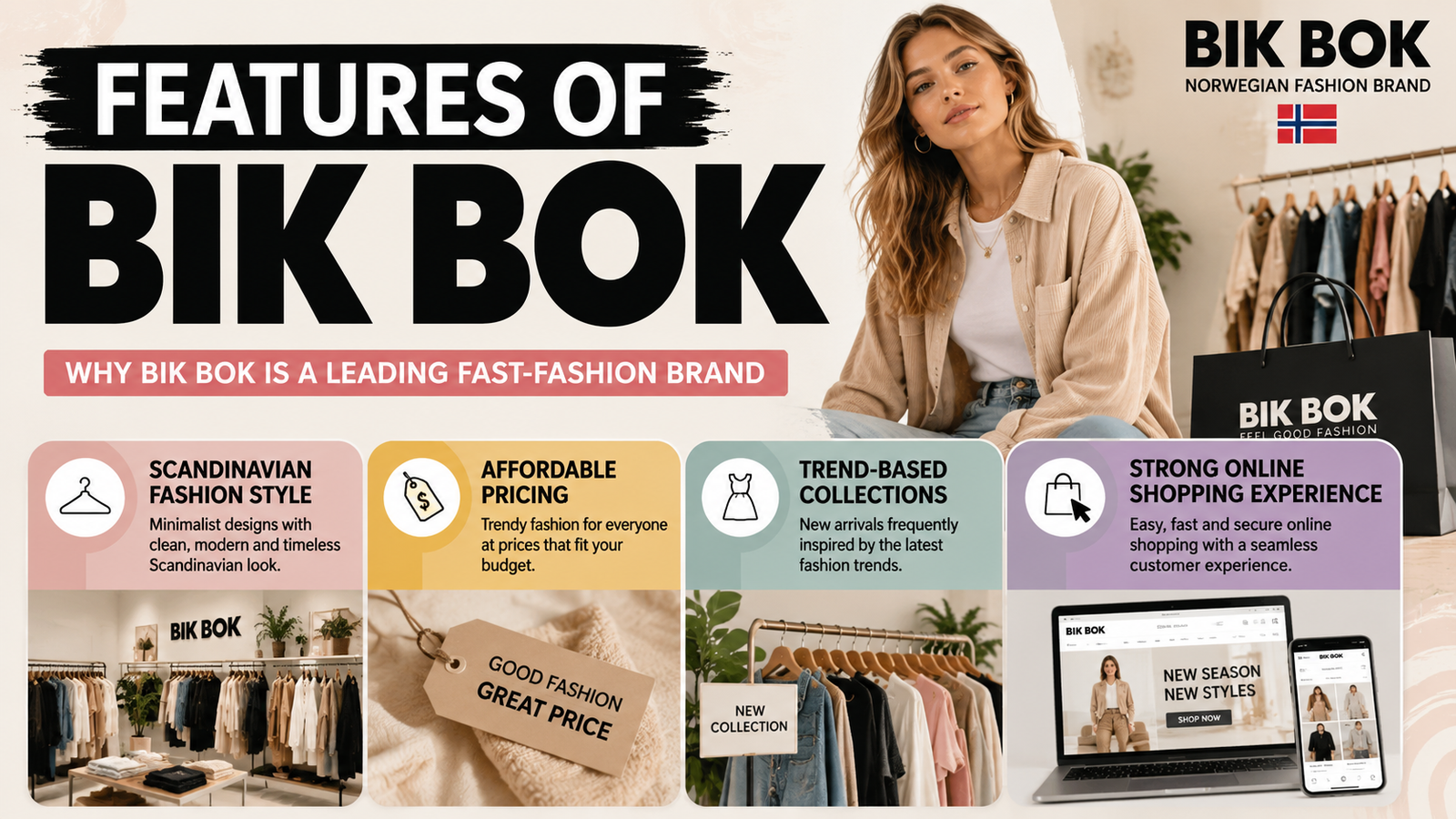
Strong Online Shopping Experience
BIK BOK has invested heavily in e-commerce and digital platforms. Customers can easily browse collections, shop online, and explore fashion inspiration through its website and social media channels.
Fast-Fashion Business Strategy
Quick Trend Adaptation
Fast fashion depends heavily on speed. Brands that react quickly to changing trends usually dominate the market. BIK BOK understood this principle early and built a business strategy around rapid adaptation. Instead of waiting months to launch new collections, the company focused on bringing fresh styles into stores regularly.
This constant refresh created excitement among shoppers. Customers knew that if they waited too long, popular products might disappear quickly. This sense of urgency encouraged immediate purchases, which is one of the core psychological strategies behind successful fast-fashion companies.
Affordable Pricing Model
Pricing played a major role in BIK BOK’s expansion across Europe. Young consumers often want stylish fashion but operate within limited budgets. The company solved this problem by offering trendy clothing at accessible prices. This strategy positioned BIK BOK directly within the growing fast-fashion economy.
The global fast-fashion market continues expanding rapidly and is expected to reach hundreds of billions of dollars over the next decade. Affordable pricing remains one of the biggest reasons consumers continue shopping from fast-fashion brands despite increasing competition.
BIK BOK balanced affordability with brand image carefully. Extremely cheap fashion sometimes creates perceptions of poor quality. The company avoided this issue by maintaining stylish store environments, professional branding, and fashionable collections. Customers felt they were buying trendy European fashion rather than low-value discount products.
Understanding the European Fast-Fashion Market
Growth of the European Fashion Industry
The rise of BIK BOK cannot be separated from the explosive growth of the European fast-fashion industry. Europe has become one of the world’s biggest fashion markets, driven by rising disposable income, urban lifestyles, social media trends, and strong demand for affordable clothing. According to recent market research, the European fast-fashion market was valued at more than $55 billion in 2026 and is projected to continue growing rapidly in the coming years.
Rise of Affordable Trend-Based Clothing
Fast fashion thrives because consumers want variety without financial guilt. People enjoy refreshing their wardrobes regularly, but most shoppers cannot afford luxury prices every month. Brands like BIK BOK succeeded by solving that problem.
Affordable trend-based clothing became especially popular among younger generations who view fashion as part of personal identity. Social media intensified this behavior because consumers began seeing new styles daily through influencers, celebrities, and online creators. Suddenly, fashion cycles moved faster than ever before
Top Services Offered by Terravision IT for IT Support and Digital Growth
Why Surfshark DE / AT Is Gaining Popularity Among Privacy-Focused Users
Goldstar (USA): The Best Platform for Discount Event Tickets
How Quinstreet Personal Loans (US) Help Borrowers Find Better Loan Options
Top Benefits of Using Booking.com North America for Hotel Bookings
BIK BOK’s Scandinavian Fashion Identity
Minimalist Nordic Style
In a crowded fashion industry, identity matters more than ever. BIK BOK’s Scandinavian roots became one of its biggest assets because Nordic fashion has developed a global reputation for elegance, simplicity, and functionality.
Scandinavian style is often described as effortless. Neutral tones, clean silhouettes, oversized fits, and wearable layering pieces dominate the aesthetic. BIK BOK embraced these characteristics while adding youthful energy and trend-driven updates. The result was fashion that felt modern without appearing excessive.
Balancing Basics and Seasonal Trends
One challenge every fast-fashion company faces is balancing timeless basics with short-term trends. If a brand focuses too heavily on trends, products quickly lose relevance. If it focuses only on basics, shoppers may find the collections boring.
BIK BOK managed this balance effectively by combining wardrobe essentials with seasonal fashion pieces. Customers could buy neutral sweaters, denim, and layering items alongside trend-focused dresses, jackets, and accessories. This mix increased the likelihood of repeat purchases because shoppers returned for both essentials and fashion updates.
Advantages and Disadvantages of BIK BOK
Advantages
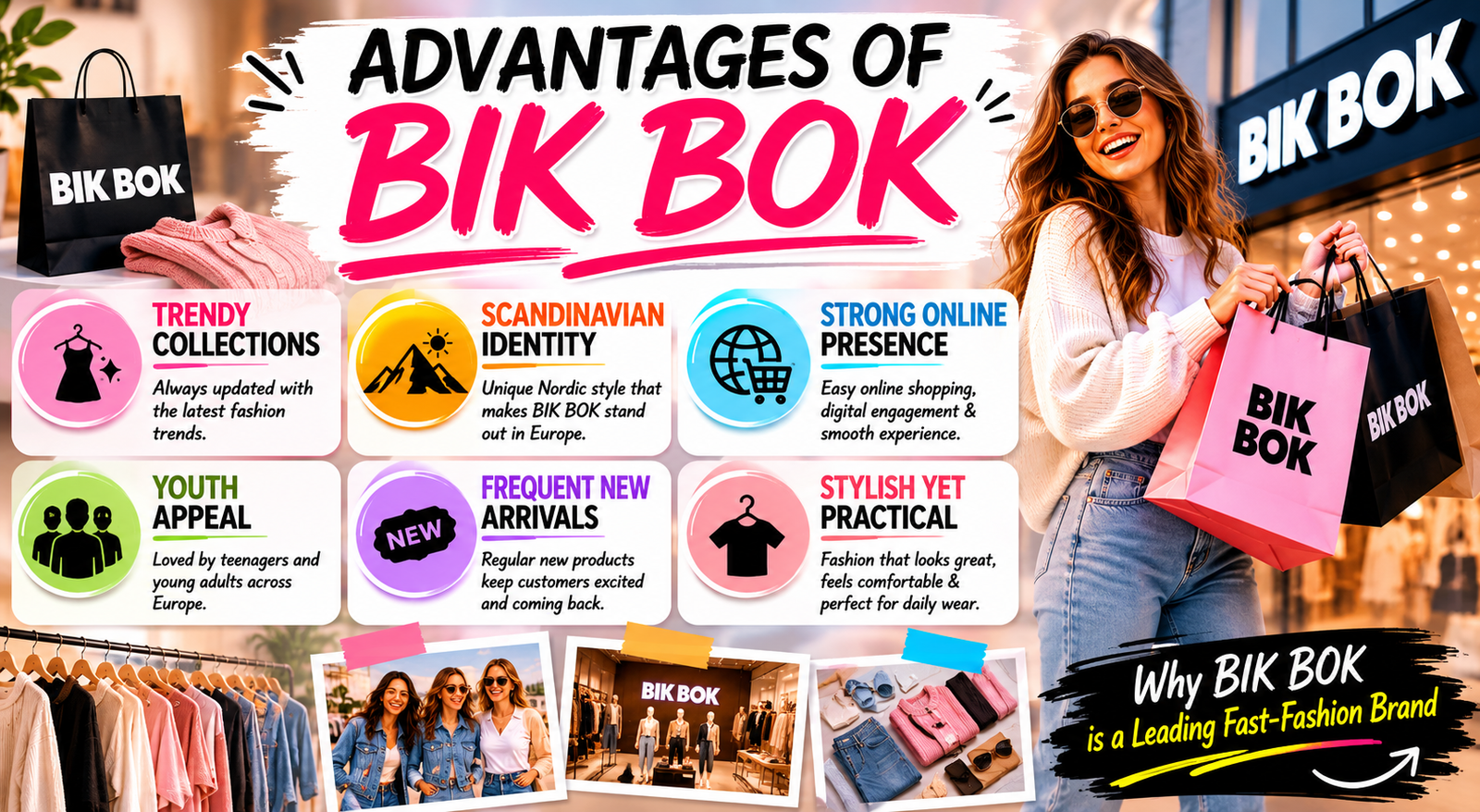
Advantages | Explanation |
Affordable Fashion | Customers can buy stylish clothes at reasonable prices. |
Trendy Collections | The brand quickly follows modern fashion trends. |
Scandinavian Identity | Unique Nordic fashion style helps the brand stand out. |
Strong Online Presence | Easy online shopping improves customer convenience. |
Youth Appeal | Popular among teenagers and young adults. |
Frequent New Arrivals | Regular product updates keep customers interested. |
Stylish Yet Practical Clothing | Combines fashion with comfort and simplicity. |
Disadvantages
Disadvantages | Explanation |
Fast-Fashion Criticism | Like many fast-fashion brands, BIK BOK faces concerns about sustainability and waste. |
Limited Global Presence | The brand is mainly popular in Europe and less known worldwide. |
Quality Variation | Some products may not have long-lasting durability compared to premium brands. |
High Competition | Faces strong competition from brands like Zara, H&M, and Mango. |
Trend Dependency | Heavy dependence on changing fashion trends can affect sales. |
Environmental Concerns | Fast production cycles may contribute to environmental issues. |
Expansion Across Europe
Growth in Nordic Countries
BIK BOK’s first major expansion happened within the Nordic region. Countries like Sweden, Denmark, and Finland shared similar fashion preferences and consumer behavior, making them natural markets for the brand. The company’s Scandinavian identity helped it connect easily with shoppers across these neighboring countries.
The Nordic market also values quality and design simplicity, which matched BIK BOK’s product philosophy perfectly. Instead of completely changing its identity for each country, the company maintained consistent branding while making smaller local adjustments where necessary. This created strong regional recognition and customer trust.
Entering New European Markets
Expanding outside the Nordic region required a more aggressive strategy. Europe’s fashion industry is extremely competitive, with local and international brands fighting for market share in every country. BIK BOK approached this challenge carefully by focusing on markets where Scandinavian fashion already had a positive reputation.
The company also benefited from Europe’s growing fast-fashion culture. Consumers increasingly wanted affordable clothing inspired by celebrity and runway trends. Research shows that the European fast-fashion market continues growing due to rising demand for trendy apparel and online accessibility.
How BIK BOK Competes With Fashion Giants
Competition With Zara and H&M
Competing in Europe’s fast-fashion industry is like entering a heavyweight boxing match. Giants like Zara and H&M dominate the market with enormous budgets, global supply chains, and massive brand recognition. Yet BIK BOK managed to survive and grow by avoiding direct imitation.
Instead of trying to outscale competitors, BIK BOK focused on niche differentiation. The company leaned into Scandinavian identity, curated product selection, and youthful branding. This approach helped the brand stand out in a market crowded with generic fast-fashion retailers.
Brand Positioning Strategy
Positioning is everything in fashion. BIK BOK didn’t try to become ultra-luxury, nor did it race toward the absolute cheapest prices. Instead, it occupied a middle ground: affordable, trendy, Scandinavian-inspired fashion for young women.
This positioning created clarity. Customers immediately understood what the brand represented. Confused branding kills fashion retailers because consumers quickly move toward companies with stronger identities.
The Future of BIK BOK in Europe
E-Commerce Innovation
The future of fashion retail is deeply connected to technology. Online shopping, AI-driven recommendations, virtual fitting tools, and personalized marketing are transforming consumer experiences.
BIK BOK’s continued success will likely depend on how effectively it innovates digitally. The company already uses advanced e-commerce and analytics tools to strengthen customer engagement.
Fashion brands increasingly operate like tech companies, analyzing consumer data to predict trends and optimize inventory. Companies that adapt quickly to digital retail trends will have stronger chances of surviving in Europe’s highly competitive market.
Adapting to Changing Consumer Behavior
Consumer behavior changes faster today than at any other time in fashion history. Social media trends emerge overnight, sustainability conversations evolve constantly, and younger shoppers expect instant gratification.
BIK BOK’s biggest strength may be its ability to adapt while maintaining a clear identity. The brand has survived for decades because it continuously evolves without losing its Scandinavian essence.
That flexibility matters enormously. Fashion is unpredictable, and brands that become rigid often disappear. BIK BOK’s story shows that long-term success comes from understanding consumers deeply while staying true to core brand values.
Conclusion
BIK BOK’s rise in Europe proves that successful fashion brands are built on more than just trendy clothing. The company succeeded because it combined affordability, Scandinavian identity, digital innovation, and a strong understanding of young consumers.
Starting from Norway in 1973, BIK BOK evolved from a regional retailer into a recognized European fast-fashion brand by staying adaptable in a constantly changing industry. While giant competitors dominated global headlines, BIK BOK quietly strengthened its position through focused branding, strategic expansion, and strong customer engagement.
The brand’s future will depend on how well it navigates the growing pressure for sustainability and digital transformation. European consumers now expect fashion companies to deliver not only style and affordability but also ethical responsibility and authentic communication.
Frequently Asked Questions
Q. What is BIK BOK known for?
BIK BOK is known for offering affordable fast-fashion clothing for young women, especially within the Nordic and European markets. The brand combines Scandinavian style with modern fashion trends.
Q. When was BIK BOK founded?
BIK BOK was founded in Norway in 1973 and later expanded across several European countries.
Q. Why is BIK BOK popular in Europe?
The brand became popular because of its trendy yet practical clothing, affordable pricing, strong digital marketing, and Scandinavian fashion identity.
Q. Does BIK BOK sell products online?
Yes, BIK BOK has a strong e-commerce presence and offers online shopping through its digital platforms and mobile-friendly stores.
Q. Is BIK BOK focusing on sustainability?
Yes, the company has shown increasing interest in sustainability and ethical fashion practices, which are becoming more important in the European fashion industry.

Recent Post

Exploring Smarter Personal Data Protection Strategies with Incogni

Understanding Modern Crypto Finance Solutions and the Role of Nexo

Key Factors to Know Before Exploring Bellway Products

Exploring Modern Beauty Tools and the Growing Appeal of Luxie

How Innovative Consumer Products Are Changing With Dip Devices

What Makes Creative Haircare Stand Out With IGK Hair?

A Beginner-Friendly Guide to Understanding R+R Medicinals CBD

A Complete Guide to Choosing the Right Products From R+Co

A Complete Guide to Building a Simple Routine With Bubble Skincare
Releted Post