PADI Marketing Strategy: How Dive Brands Build Global Trust
Discover how PADI has built unmatched global trust in the diving industry through authority-driven branding, safety-focused messaging, community marketing, and sustainability initiatives. This blog post breaks down the PADI marketing strategy and reveals how dive brands can apply the same principles to grow credibility and long-term loyalty worldwide.
Introduction to PADI and the Global Diving Industry
When it comes to scuba diving, trust isn’t optional—it’s everything. You’re literally trusting a brand with your life underwater. That’s exactly why PADI has become more than just a name. It’s a global symbol of safety, credibility, and adventure.
What Is PADI?
The largest scuba diving training organization in the world is called PADI (Professional Association of Diving Instructors). From first-time divers to seasoned professionals, millions rely on PADI certifications across more than 180 countries.
Why Trust Matters in the Diving Industry
Diving isn’t like buying shoes online. It’s high-risk, skill-based, and deeply technical. One mistake can be dangerous. So people naturally gravitate toward brands that feel reliable, standardized, and globally accepted. PADI understood this early—and built its entire marketing strategy around trust.
Understanding PADI’s Brand Power
PADI as a Certification Authority
PADI doesn’t market like a typical company. It markets like an authority. Its certifications act like passports—recognized worldwide. That alone creates instant credibility for both divers and dive centers.
Emotional Branding in Adventure Sports
PADI doesn’t just sell courses. It sells transformation. From “Try Scuba” to “Divemaster,” every step feels like leveling up in a life-changing journey. That emotional hook builds loyalty that lasts decades.
Core Elements of PADI Marketing Strategy
Brand Consistency Across the Globe
No matter where you dive—Thailand, Egypt, Australia, or Mexico—the PADI logo, course structure, and learning standards feel familiar. This consistency reduces fear and increases confidence.
Safety-First Messaging
PADI’s marketing never ignores safety. In fact, it highlights it.
Risk Reduction as a Trust Signal
Clear standards, strict instructor requirements, and structured learning modules signal professionalism. Subconsciously, customers think: “If they’re this serious about safety, I can trust them.”
Blogs, videos, infographics, and e-learning modules answer beginner fears—cost, safety, difficulty, and fitness. Education removes friction before the sale even happens.
Advanced Content for Professional Divers
For experienced divers, PADI offers technical guides, career paths, and leadership content. This keeps users inside the PADI ecosystem long-term.
Storytelling Through Real Dive Experiences
PADI tells stories from real divers, instructors, and conservationists. These stories feel authentic—not corporate—which strengthens emotional trust.
Community-Driven Marketing Approach
Building a Global Diver Community
PADI markets belonging. Once certified, you’re not just a customer—you’re part of a global dive tribe.
Role of Dive Centers and Instructors
Local dive shops act as physical brand touchpoints. PADI empowers them with tools, branding, and credibility.
Local Trust with Global Backing
It’s the perfect combo: personal relationships at the local level, backed by a globally respected brand.
New agencies offer cheaper or faster certifications, but struggle with global recognition.
Maintaining Trust at Scale
Consistency across thousands of dive centers is always a challenge.
Future of PADI Marketing
Digital Certifications and E-Learning
Hybrid learning models are expanding reach faster than ever.
VR, AI, and the Next Wave of Dive Marketing
Virtual dives, AI instructors, and immersive previews are shaping the future.
Conclusion
PADI’s marketing strategy isn’t loud—it’s reliable. By focusing on trust, education, community, and consistency, PADI has built a brand that feels less like a company and more like a global standard. For dive brands looking to scale globally, the lesson is clear: trust first, sales later.
Frequently Asked Questions
Q. Why is PADI trusted worldwide?
Because its certifications follow strict global standards recognized everywhere.
Q. How does PADI use content marketing?
By educating divers at every level through blogs, videos, and e-learning.
Q. Is PADI’s marketing strategy suitable for small brands?
Yes, especially the focus on authority, education, and community.
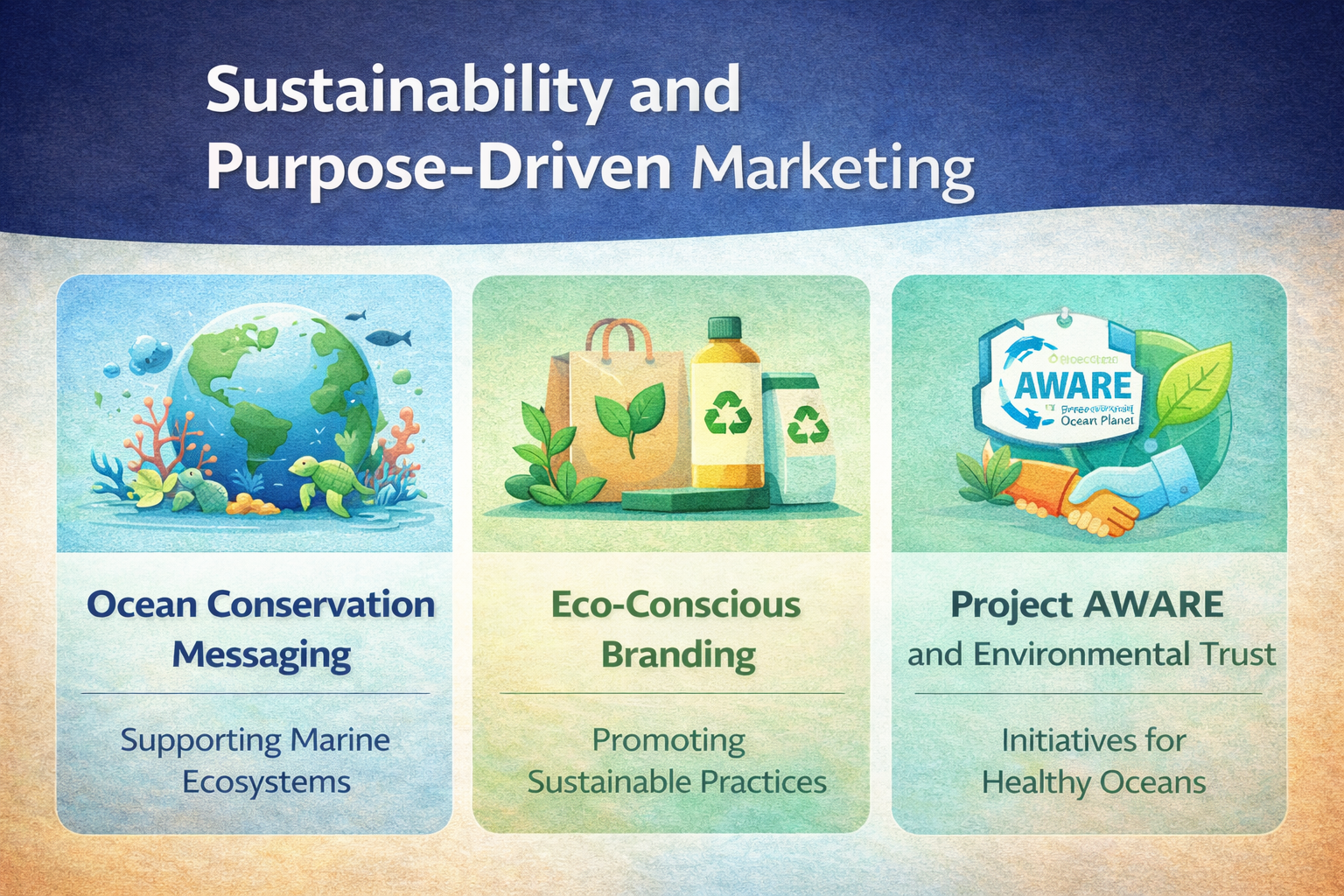
Q. How does sustainability help PADI’s branding?
It builds emotional and ethical trust with eco-conscious divers.
Q. What makes PADI different from other dive agencies?
Global consistency, strong community, and unmatched brand recognition.