ABCya Marketing Strategy: Building Engagement in EdTech
ABCya marketing strategy focuses on building strong engagement in the EdTech space by combining game-based learning, kid-friendly design, and trust-driven content. This blog post explores how ABCya attracts students, parents, and teachers through interactive educational games, smart SEO practices, and a freemium model that turns learning into an enjoyable digital experience.
The world of education has changed dramatically over the last decade. Chalkboards have turned into touchscreens, and textbooks now share space with interactive games. In this fast-evolving EdTech landscape, ABCya has carved out a unique position by doing one thing exceptionally well—making learning feel like play.
ABCya isn’t just another educational website. It’s a carefully designed ecosystem where kids learn math, reading, typing, and logic without realizing they’re “studying.” That magic doesn’t happen by accident. Behind it is a smart, well-executed marketing strategy focused on engagement, trust, and long-term retention.
So how does ABCya build such strong engagement in EdTech? Let’s break it down step by step.
Understanding ABCya’s Core Audience
A strong marketing strategy always starts with knowing who you’re talking to. ABCya understands that its audience isn’t just one group—it’s a triangle.
Students (Kids & Early Learners)
Kids are the primary users, but they’re also the toughest audience to please. They want fun, color, sound, and instant gratification. ABCya markets to kids indirectly by creating games that feel exciting, intuitive, and rewarding. No boring tutorials. No long instructions. Just jump in and play.
Parents
Parents are the gatekeepers. They care about safety, learning outcomes, and value for money. ABCya’s messaging reassures parents that screen time here is productive, safe, and educational. That trust is a huge marketing win.
Teachers and Schools
Teachers are influencers in the EdTech world. When teachers recommend a platform, parents listen. ABCya positions itself as classroom-friendly, curriculum-aligned, and easy to integrate into lesson plans.
What Makes ABCya Stand Out in EdTech
Game-Based Learning Approach
ABCya doesn’t sell “courses.” It sells experiences. Every game is designed to teach a concept while keeping engagement high. Think of it like sneaking vegetables into a tasty meal—kids enjoy it, and learning happens naturally.
Age-Appropriate Content Design
From Pre-K to Grade 6, content is carefully segmented. This makes marketing easier because ABCya can speak directly to specific age groups instead of using a one-size-fits-all message.
Brand Positioning and Value Proposition
Fun Meets Learning
ABCya’s core message is simple: learning can be fun. This positioning is consistent across its website, apps, and promotions. Bright visuals, playful characters, and cheerful language reinforce this brand promise.
Safe and Trusted Platform
In an age where parents worry about online safety, ABCya emphasizes ad control, COPPA compliance, and kid-safe design. Trust is not just a feature—it’s a marketing pillar.
ABCya doesn’t rely on blogs or long-form articles. Its “content” is the product—games. Each game is optimized for a learning outcome and user engagement.
Seasonal and Thematic Content
Holiday-Based Games
Special games for holidays like Halloween, Christmas, and back-to-school seasons create spikes in engagement and repeat visits.
Curriculum-Aligned Activities
By aligning games with school curricula, ABCya becomes relevant year-round, not just during vacations.
User Experience (UX) as a Marketing Tool
Simple Navigation for Kids
If a child can’t figure out how to use a platform in 10 seconds, they’re gone. ABCya’s clean layout, big buttons, and intuitive categories act as silent marketers.
Minimal Friction for Parents and Teachers
Easy sign-up, clear pricing, and transparent features reduce resistance. Good UX lowers bounce rates and increases conversions—no aggressive selling required.
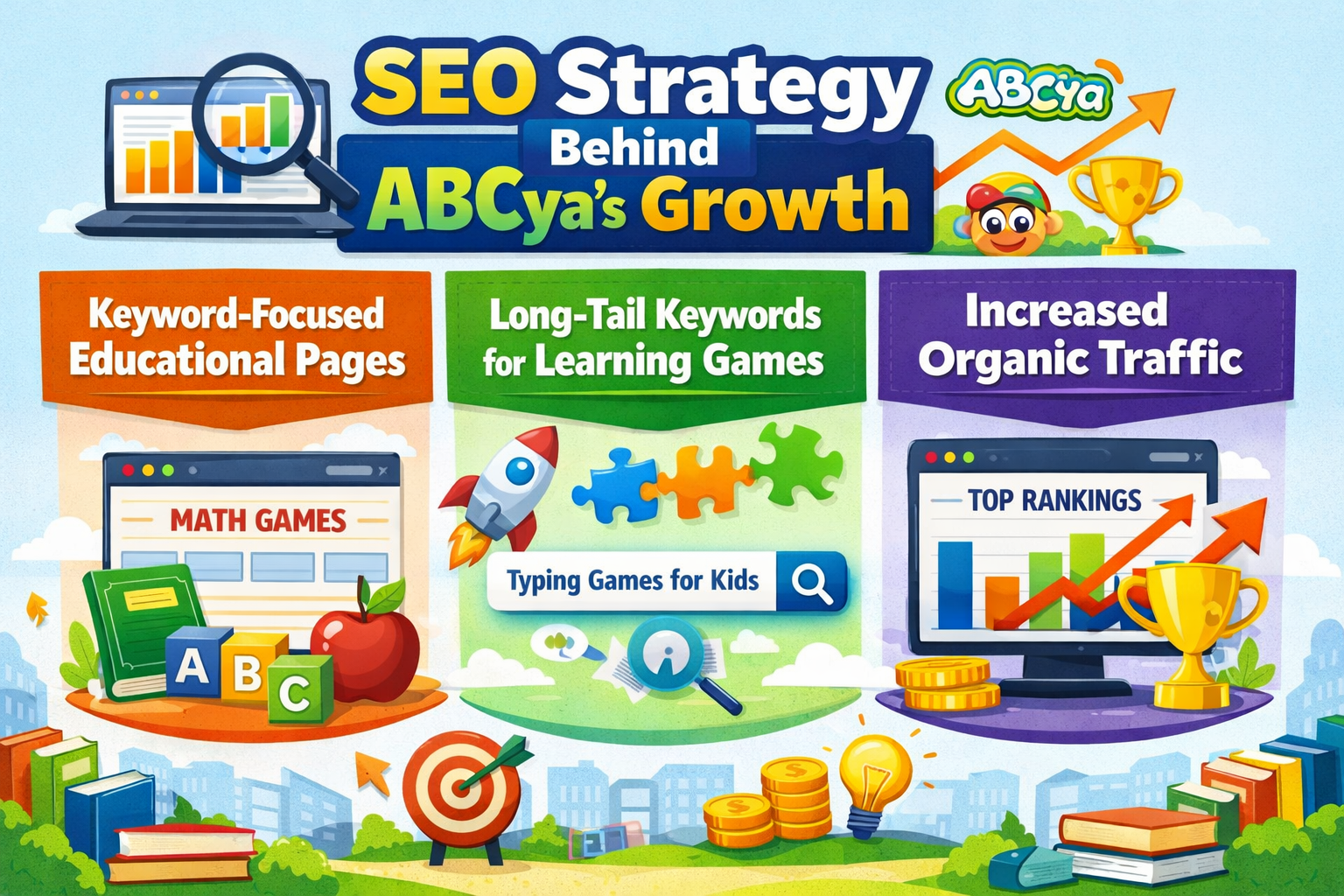
SEO Strategy Behind ABCya’s Growth
Keyword-Focused Educational Pages
ABCya ranks well for keywords like “math games for kids” and “educational games online.” Each game page is effectively an SEO landing page.
Long-Tail Keywords for Learning Games
Instead of competing only for broad terms, ABCya captures long-tail searches like grade-specific or skill-specific games, bringing in high-intent users.
Traffic Acquisition Channels
Organic Search
SEO is ABCya’s biggest traffic driver. Parents and teachers actively search for learning resources, and ABCya shows up at the right moment.
ABCya hooks users with high-quality free content. This lowers the entry barrier and builds trust.
Subscription Upsell Strategy
Once value is clear, upgrading feels like a logical next step—not a forced sale.
Engagement and Retention Techniques
Gamification Elements
Points, levels, animations, and instant feedback keep kids coming back.
Progress Tracking and Rewards
Seeing progress motivates both kids and parents. It’s like a digital gold star system.
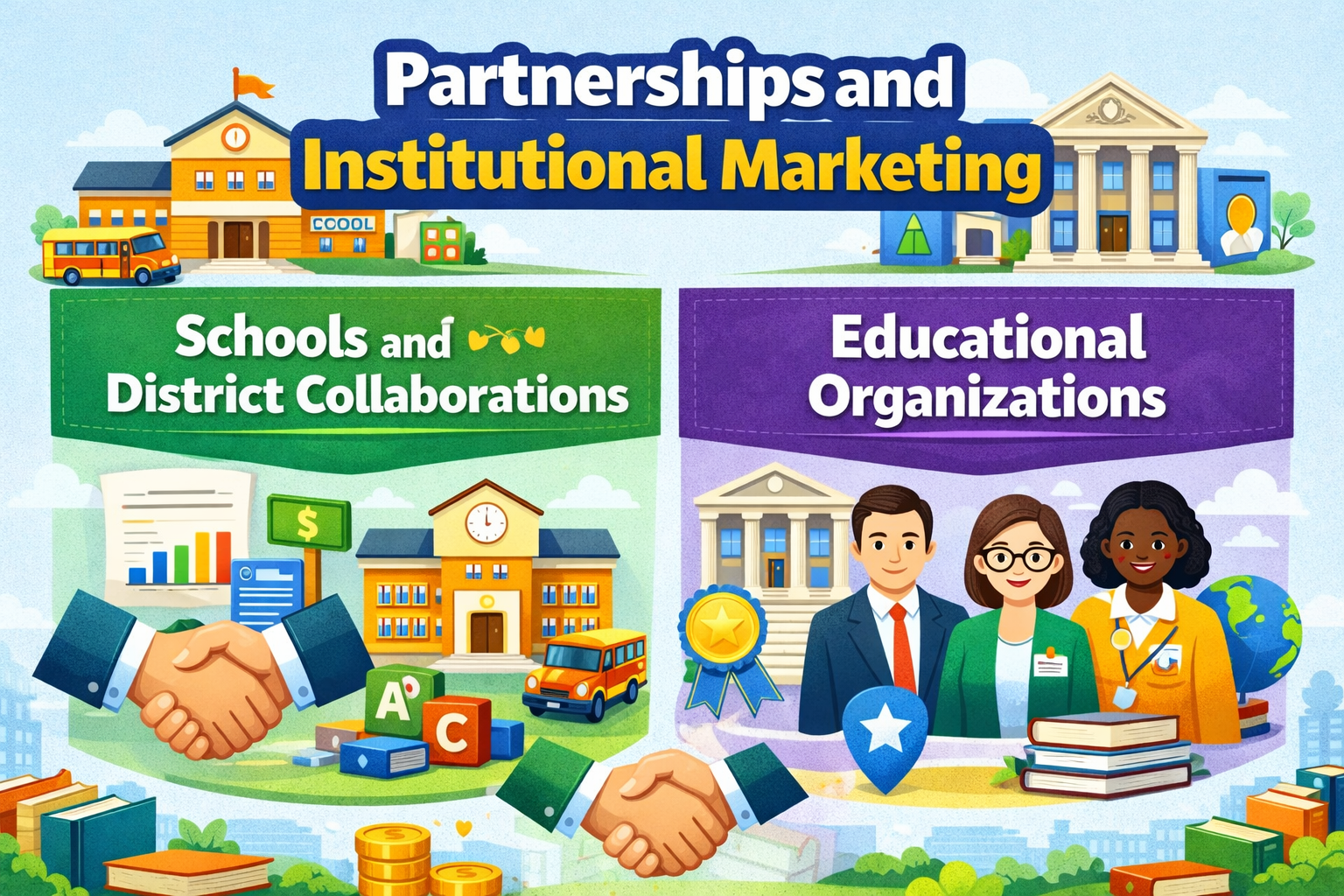
Partnerships and Institutional Marketing
Schools and District Collaborations
By aligning with schools, ABCya gains large-scale adoption without traditional advertising.
Educational Organizations
Partnerships enhance credibility and expand reach within the education ecosystem.
Mobile and Cross-Platform Strategy
Apps for Tablets and Smartphones
Kids love tablets. ABCya meets them where they are.
Consistent Experience Across Devices
Whether on desktop or mobile, the experience feels familiar and seamless.
Data-Driven Marketing Decisions
User Behavior Analysis
ABCya tracks what games perform best and doubles down on what works.
Continuous Product Optimization
Marketing and product teams move together, constantly improving engagement.
Challenges in EdTech Marketing
Screen Time Concerns
ABCya counters this by positioning itself as “productive screen time.”
High Competition in Kids’ Apps
Differentiation through quality and trust keeps ABCya ahead.
Future Growth Opportunities for ABCya
Expanding into AI-personalized learning, global markets, and deeper school integrations could unlock the next phase of growth.
Conclusion
ABCya’s marketing strategy is a masterclass in engagement-driven growth. Instead of shouting the loudest, it focuses on delivering real value, building trust, and creating delightful learning experiences. In the crowded EdTech space, ABCya proves that when you put users first—especially kids—marketing becomes almost effortless.
Frequently Asked Questions
Q. Why is ABCya so popular among kids?
Because it turns learning into fun, interactive games that feel like play.
Q. How does ABCya attract parents?
By emphasizing safety, educational value, and productive screen time.
Q. What role does SEO play in ABCya’s marketing?
SEO is a major traffic driver, capturing high-intent searches from parents and teachers.
Q. Is ABCya’s freemium model effective?
Yes, free access builds trust and naturally leads to paid subscriptions.
Q. What can new EdTech startups learn from ABCya?
Focus on engagement, trust, UX, and long-term value instead of short-term hype.