



Discover how Lightspeed Commerce built strong authority in the competitive POS solutions market by focusing on product innovation, customer trust, strategic acquisitions, and industry-specific solutions. This blog post breaks down the key strategies that helped Lightspeed Commerce become a trusted POS partner for retailers and restaurants worldwide.
Table of Contents
Authority in the POS world isn’t about being the loudest brand in the room. It’s about being the most trusted one. Merchants don’t gamble with their checkout systems. If the POS fails, sales stop. That’s why authority in this space is earned slowly, through reliability, expertise, and consistent value.
When we talk about Lightspeed Commerce, we’re talking about a brand that understood this reality early and built its reputation brick by brick.
Authority means merchants believe your platform will work on Black Friday, during lunch rush hours, and on expansion day. It means your product is stable, your support is responsive, and your roadmap makes sense.
A POS system isn’t just software. It’s the heartbeat of a business. Lightspeed earned trust by treating POS as mission-critical infrastructure, not just another SaaS subscription.
Lightspeed didn’t try to serve everyone on day one. Instead, it focused on a clear vision: empower independent retailers and restaurants with enterprise-level tools.
Legacy POS systems were clunky, expensive, and hardware-dependent. Updates were slow. Reporting was weak. Integrations were painful. Lightspeed saw an opportunity to flip that model.
SMBs needed flexibility, cloud access, and real-time insights. Lightspeed built for those needs first, which instantly resonated with modern merchants.
Many companies lead with marketing. Lightspeed led with product. That decision shaped everything that followed.
Being cloud-native meant merchants could manage inventory, sales, and staff from anywhere. That alone positioned Lightspeed as a modern alternative to outdated POS systems.
From single-store retailers to multi-location brands, Lightspeed scaled smoothly. Merchants didn’t have to switch platforms as they grew, which reinforced long-term trust.
Instead of a one-size-fits-all approach, Lightspeed built vertical-specific solutions.
Inventory-heavy businesses benefited from advanced stock management, supplier tools, and product variants.
For restaurants, Lightspeed focused on speed, table management, and menu flexibility.
Hotels, cafés, and franchises gained centralized control without losing local flexibility. That balance strengthened Lightspeed’s authority across industries.
Growth wasn’t just organic. Lightspeed used acquisitions strategically.
Each acquisition added depth—payments, analytics, or regional expertise—without diluting the core product.
By acquiring established regional players, Lightspeed entered new markets with built-in credibility.
Authority isn’t built only inside the product. It’s built in the mind of the customer.
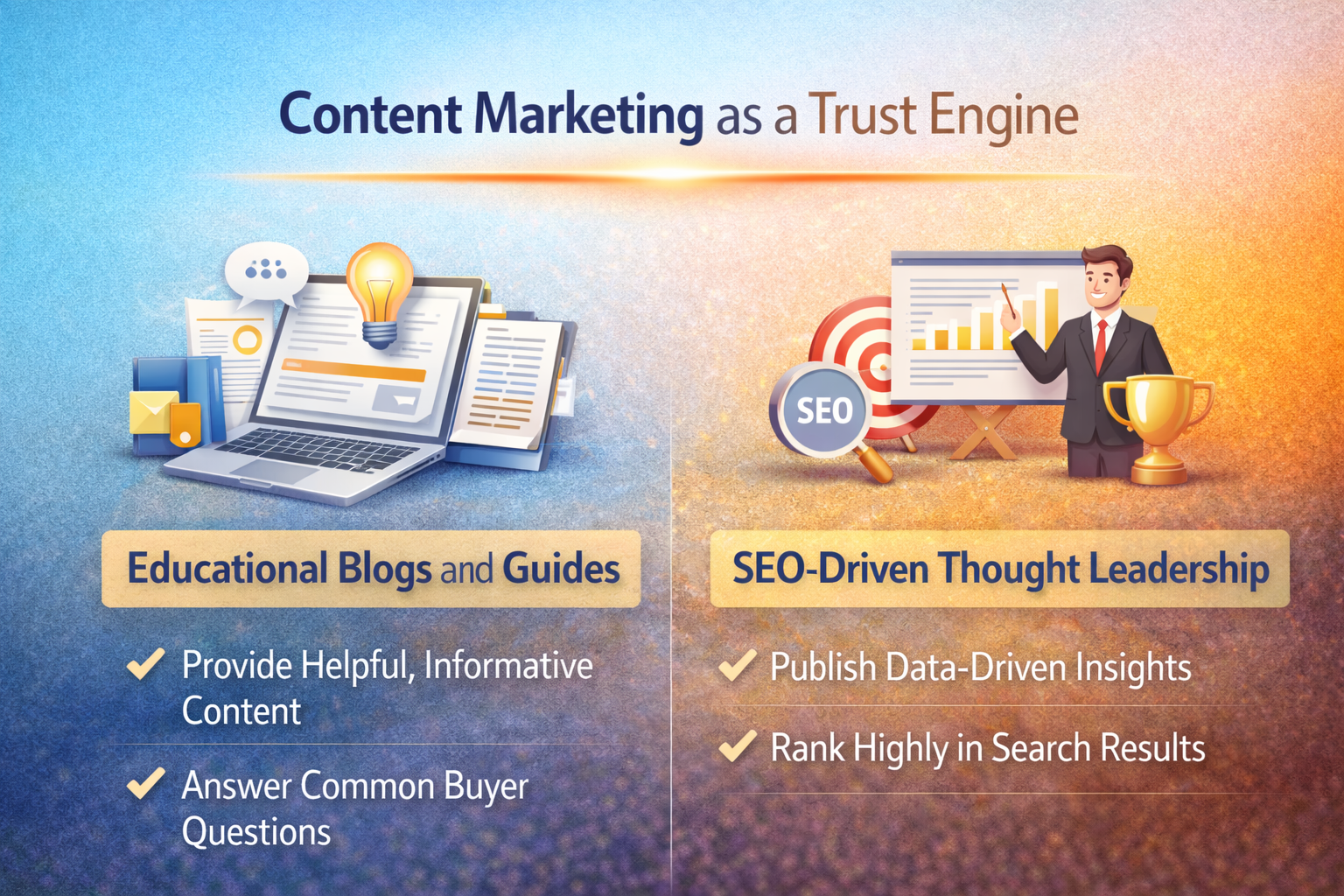
Lightspeed invested heavily in educational content—retail trends, inventory tips, and business growth guides. This positioned the brand as a mentor, not just a vendor.
By targeting high-intent keywords and real merchant questions, Lightspeed dominated search visibility in the POS space. That visibility translated into perceived expertise.
Lightspeed didn’t guess what merchants wanted. It asked.
Feedback loops, beta programs, and direct merchant conversations shaped the roadmap.
When customers see their suggestions implemented, loyalty follows. Lightspeed turned users into advocates.
No POS works in isolation.
Seamless integrations with accounting, eCommerce, and inventory tools made Lightspeed indispensable.
Developers could build on top of Lightspeed, extending its ecosystem and authority at the same time.
Authority also lives in perception.
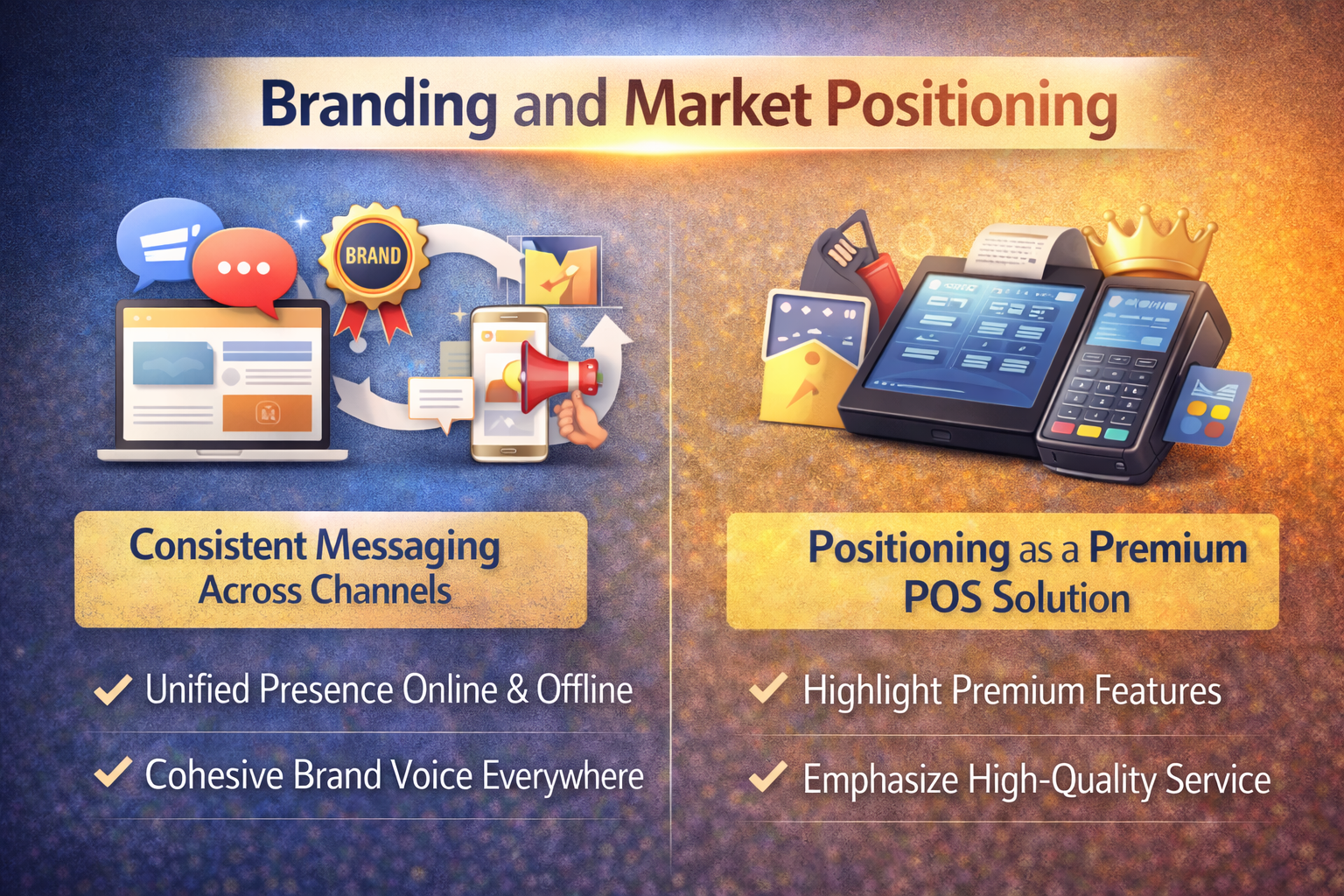
From website copy to onboarding emails, Lightspeed maintained a clear, confident voice.
Instead of competing on price, Lightspeed competed on value. Premium positioning reinforced trust and quality.
Modern merchants run on data.
Real-time dashboards, sales trends, and performance metrics helped merchants make smarter decisions.
By simplifying complex data, Lightspeed became not just a POS provider, but a business advisor.
Authority crumbles without security.
Lightspeed invested heavily in system uptime, data protection, and fraud prevention.
Meeting international compliance standards made Lightspeed viable for global merchants.
Lightspeed hosted events, webinars, and forums where merchants could learn and connect.
These initiatives positioned Lightspeed as a long-term partner in growth.
Going global isn’t easy, but Lightspeed did it methodically.
Currency support, tax rules, and local compliance were handled with care.
Instead of overpowering local brands, Lightspeed complemented them with better technology and support.
POS is crowded. Authority is rare.
Lightspeed’s cloud-first, analytics-driven approach made old systems look obsolete.
While newer tools chased features, Lightspeed focused on stability, depth, and scale.
AI-driven insights, deeper automation, and omnichannel experiences are shaping the next phase.
As commerce evolves, Lightspeed continues to adapt—without losing its core identity.
Lightspeed Commerce didn’t become an authority in POS solutions by accident. It earned that position through product excellence, merchant trust, strategic growth, and relentless focus on real-world business needs. In an industry where reliability equals survival, Lightspeed proved that authority isn’t claimed—it’s built, one satisfied merchant at a time.
Its cloud-native design, industry-specific focus, and deep analytics set it apart.
Yes, especially for growing SMBs that need scalability and advanced features.
By prioritizing reliability, customer feedback, and long-term value.
Absolutely. Multi-store management is one of its strengths.
With ongoing innovation and data-driven tools, it’s well-positioned for the future.

Recent Post
How Weblium.com Helps Simplify the Website Creation Process

Understanding Supplement Selection and Quality at BulkSupplements.com

How Digital Solutions Are Evolving With CHENGDU OUMEI NETWORK INFORMATION L.T.D

Beauty Trends Worth Exploring With Dominique Cosmetics – 122027

The Growing Role of 3D Scanning and Revopoint 3D Technologies Inc

Why Fitness Fashion Lovers Are Exploring WISKII ACTIVE LIMITED

Improving Website Performance and User Experience With Strategy11

Website Design Trends and the Growing Role of Weblium.com

Photography Styling Trends and the Role of KATE BACKDROP INC
A Guide to Finding Everyday Fashion Inspiration on rihoas.com
Releted Post