Why Cider Is a Case Study in Modern E-Commerce Marketing
Why Cider Is a Case Study in Modern E-Commerce Marketing explores how Cider has successfully leveraged social media, data-driven personalization, and a direct-to-consumer strategy to redefine online fashion marketing. The post highlights key lessons from Cider’s growth, offering practical insights for brands looking to scale in today’s fast-paced digital commerce landscape.
E-commerce marketing today isn’t just about selling products online. It’s about storytelling, data, speed, and community—all working together like gears in a well-oiled machine. That’s exactly why Cider has become such a fascinating case study in modern e-commerce marketing.
In a world where attention spans are shorter than a TikTok video, Cider manages to stop the scroll, spark interest, and convert curiosity into clicks—and clicks into customers.
The Evolution from Traditional to Digital Commerce
Not long ago, brands relied on billboards, TV ads, and physical stores. Today? Everything happens on screens. From discovery to purchase, the customer journey is almost entirely digital. Cider understands this shift deeply and designs its marketing for digital-native consumers.
Why Case Studies Matter in Digital Marketing
Case studies are like roadmaps. They show what works, what doesn’t, and what’s possible. Cider’s growth offers real-world proof that smart digital strategies beat big budgets.
Understanding the Cider Brand
Cider isn’t just another online fashion store. It’s a data-powered, trend-sensitive brand built for Gen Z and millennials who value style, speed, and affordability.
What Makes Cider Different from Typical E-Commerce Brands
Unlike traditional fashion brands that guess trends months in advance, Cider reacts in real time. It listens first, then sells. That mindset changes everything.
Cider’s Target Audience and Market Positioning
Cider speaks directly to young, social-media-savvy shoppers. Its tone is casual, inclusive, and playful—more like a friend than a corporation.
The Rise of D2C (Direct-to-Consumer) Brands
D2C brands cut out the middleman, and Cider embraces this model fully.
How Cider Fits into the D2C Revolution
By selling directly to customers, Cider controls branding, pricing, data, and relationships. That’s a marketer’s dream.
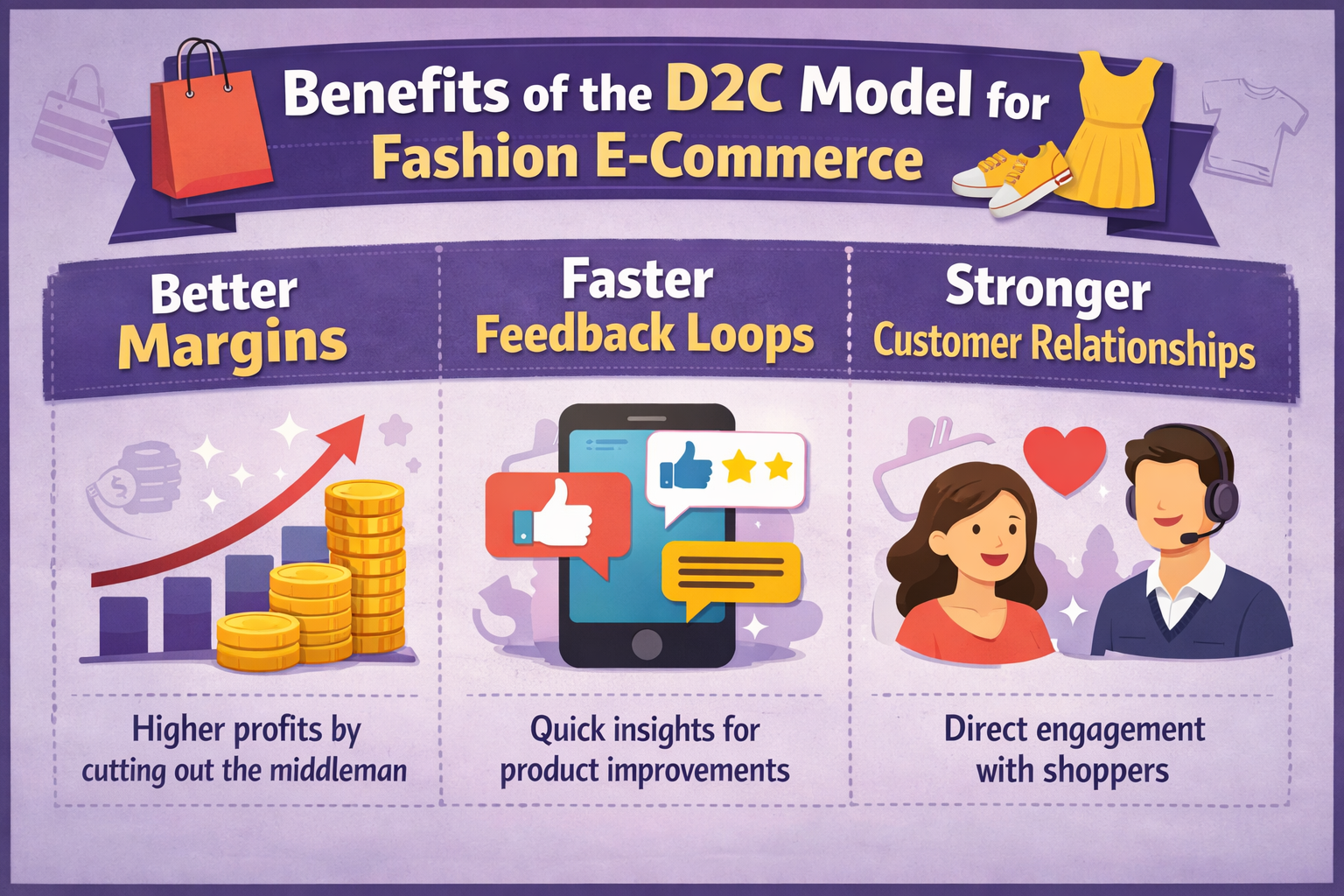
Benefits of the D2C Model for Fashion E-Commerce
Better margins
Faster feedback loops
Stronger customer relationships
It’s like cooking at home instead of ordering takeout—you control the ingredients.
Social Media as Cider’s Growth Engine
Social media isn’t just a channel for Cider—it’s the backbone of its marketing strategy.
Leveraging Instagram, TikTok, and Influencer Culture
Cider collaborates with micro-influencers who feel authentic, not staged. This makes promotions feel natural rather than forced.
User-Generated Content as Social Proof
When real customers wear and share outfits, trust skyrockets. People trust people more than ads.
Cider can launch new styles quickly based on demand signals.
Demand Forecasting Using Real-Time Data
Data replaces guesswork, reducing waste and increasing relevance.
Community Building and Brand Loyalty
Customers aren’t just buyers—they’re part of the brand.
Turning Customers into Brand Advocates
Engagement creates emotional investment.
Email, SMS, and Retention Marketing
Retention costs less than acquisition, and Cider knows it.
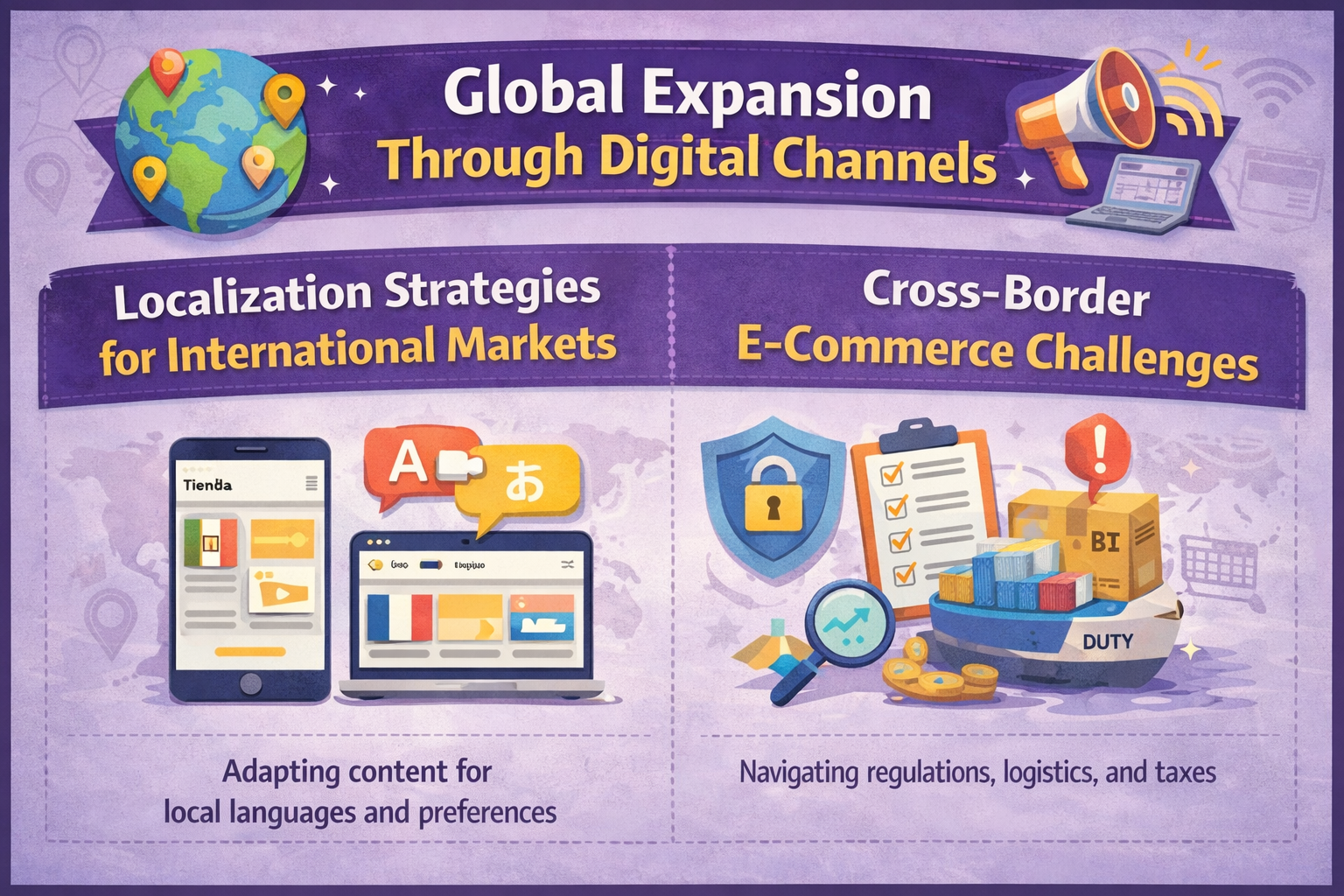
Global Expansion Through Digital Channels
Localization Strategies for International Markets
Localized content and pricing help Cider scale globally.
Cross-Border E-Commerce Challenges
Logistics, returns, and regulations—but digital agility helps overcome them.
Trust, Transparency, and Reviews
Why Social Proof Matters More Than Ever
Reviews reduce friction and increase confidence.
Managing Online Reputation
Transparency builds long-term credibility.
Lessons Other E-Commerce Brands Can Learn
What Startups Can Replicate
Social-first mindset
Data-driven decisions
Fast experimentation
What Established Brands Should Rethink
Rigid systems and slow reactions don’t survive digital markets.
The Future of E-Commerce Marketing
The future is personalized, fast, and community-driven.
Trends Shaping the Next Generation of Online Retail
AI personalization
Social commerce
Creator-led marketing
Where Cider’s Strategy Points the Industry
Toward agility, authenticity, and customer obsession.
Conclusion
Cider isn’t just selling clothes—it’s selling a modern e-commerce playbook. By blending data, social media, personalization, and speed, it shows exactly how digital-first brands win today. For marketers and founders alike, Cider is less a brand and more a blueprint.
Frequently Asked Questions
Q. Why is Cider considered a modern e-commerce brand?
Because it uses data, social media, and D2C strategies to grow quickly and efficiently.
Q. What role does social media play in Cider’s marketing?
It’s the primary discovery and engagement channel, especially through influencers and UGC.
Q. How does Cider personalize the shopping experience?
By using browsing and purchase data to recommend relevant products.
Q. Can small businesses copy Cider’s strategy?
Yes, especially social-first content, community building, and agile testing.
Q. What’s the biggest lesson from Cider’s success?
Listen to your audience, move fast, and let data guide creativity.