Lightinthebox: How Global E-commerce Brands Drive Sales Online
Lightinthebox: How Global E-commerce Brands Drive Sales Online explores how Lightinthebox successfully operates as a global e-commerce brand by leveraging smart pricing, international SEO, performance marketing, localization, and trust-building strategies. The article dissects important growth strategies, such as data-driven personalization, mobile-first design, and cross-border logistics, providing insightful information for companies trying to expand and boost online sales globally.
Global e-commerce isn’t just growing—it’s exploding. Shopping online is no longer limited by borders, languages, or currencies. Today, a customer in India can buy a dress from China, electronics from the US, and accessories from Europe—all in a few clicks. Sounds normal now, right? But behind this seamless experience is a well-oiled digital machine.
One brand that perfectly represents this global-first approach is LightInTheBox. Its journey offers powerful insights into how international e-commerce brands drive traffic, build trust, and convert visitors into loyal customers.
What Is LightInTheBox? A Quick Brand Overview
LightInTheBox is a global online retail company known for selling fashion, accessories, electronics, home décor, and lifestyle products at competitive prices. Unlike traditional retailers, it doesn’t rely on physical stores. Everything happens online—from discovery to delivery.
Think of LightInTheBox as a digital marketplace built for the world, not just one country.
The Rise of Cross-Border E-commerce
Cross-border e-commerce removed the biggest limitation of retail: geography. Brands like LightInTheBox took advantage of:
Improved global logistics
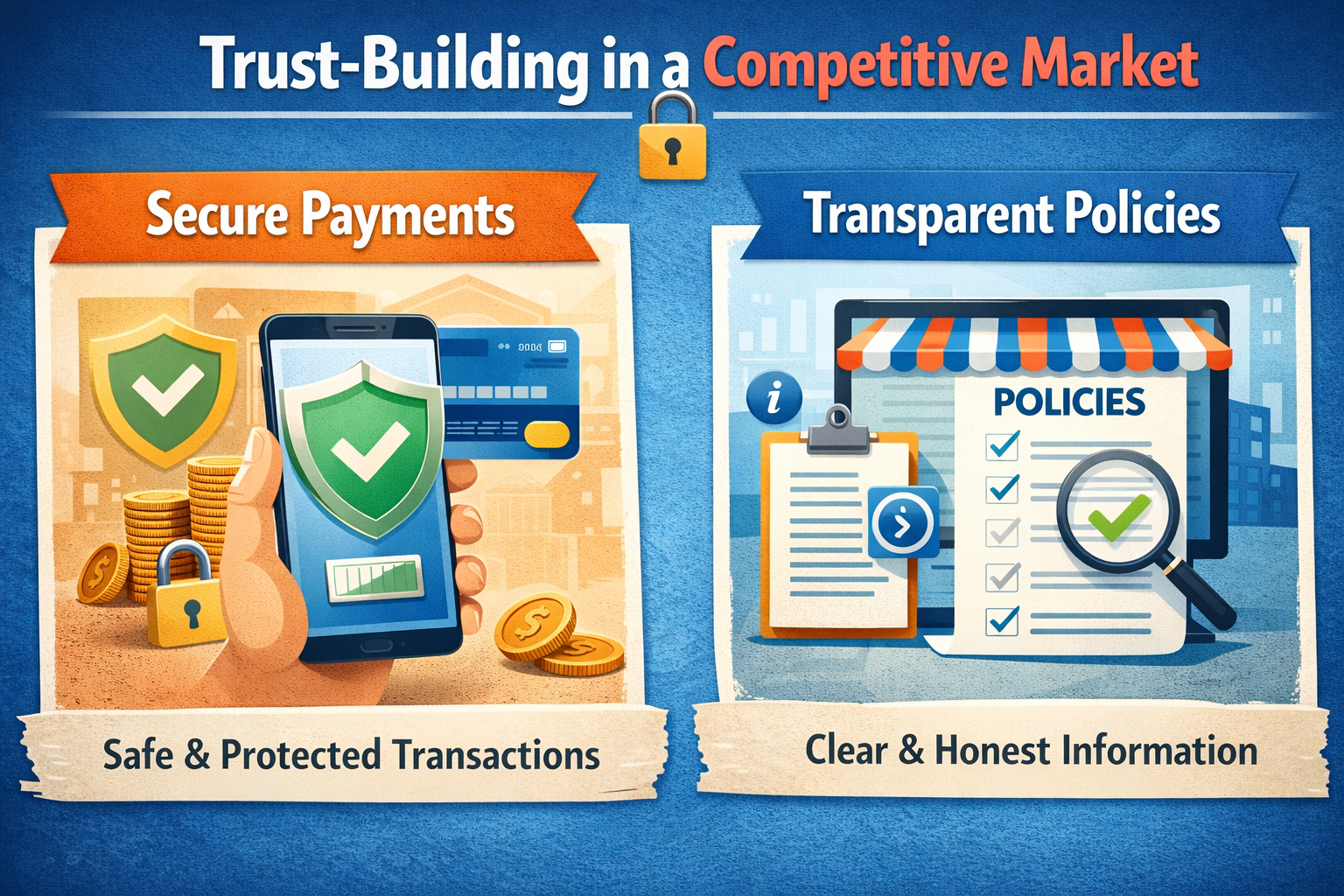
Secure international payment gateways
Rising trust in online shopping
The result? Customers stopped caring where a brand is based—as long as the product is affordable, reliable, and delivered on time.
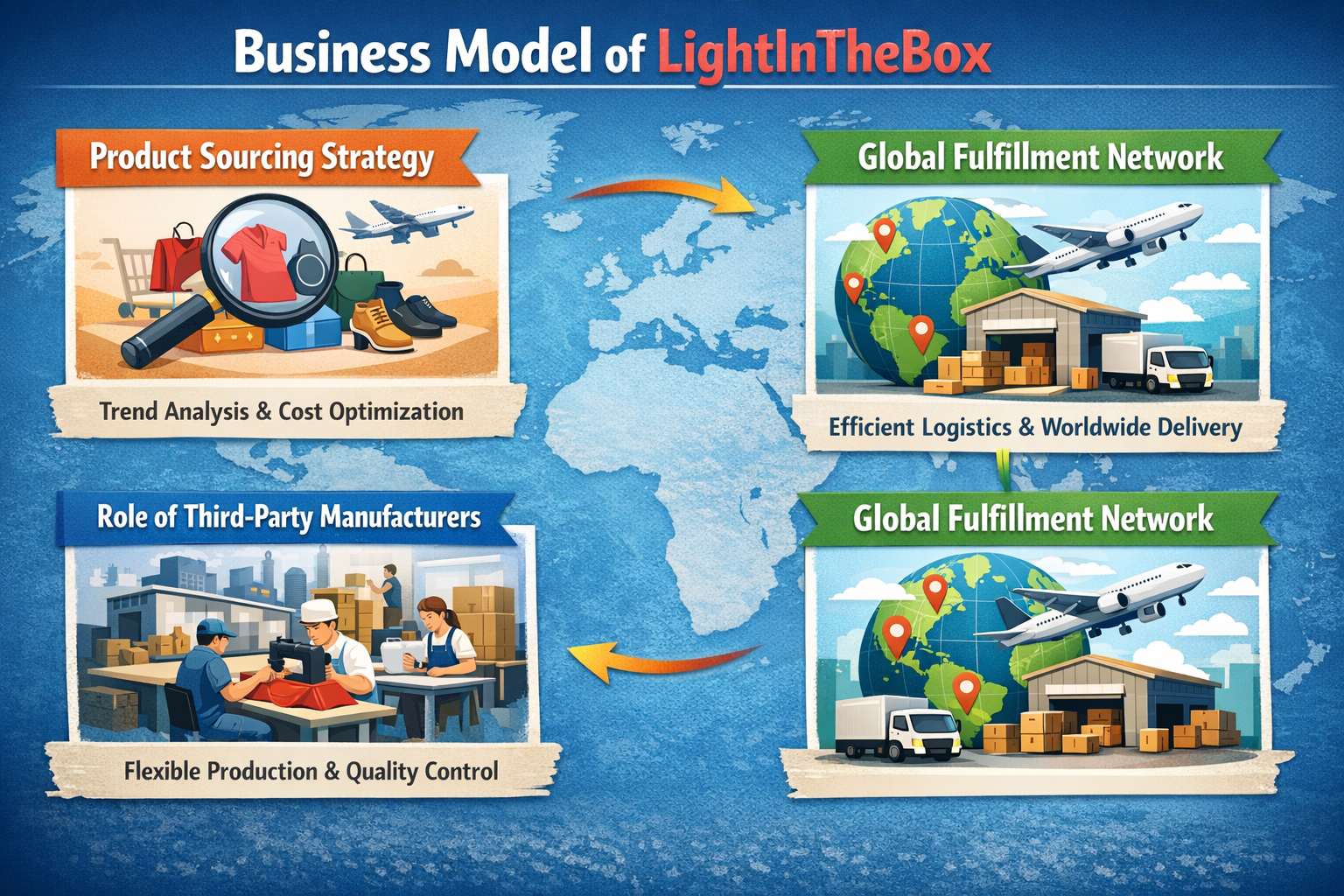
Business Model of LightInTheBox
Product Sourcing Strategy
LightInTheBox follows a flexible sourcing model. Instead of manufacturing everything itself, it collaborates with suppliers and manufacturers who can deliver trendy products quickly.
This keeps inventory risk low and variety high—exactly what online shoppers want.
Global Fulfillment Network
Orders are shipped directly to customers across multiple countries. Warehouses and logistics partners are strategically placed to reduce delivery time and cost.
Role of Third-Party Manufacturers
Third-party manufacturers play a critical role. They allow the company to scale rapidly without heavy investment in factories—like renting the engine instead of building the car.
One-size-fits-all doesn’t work globally. LightInTheBox supports multiple languages, region-specific content, and local preferences.
When users see their language, culture, and sizing standards, trust increases instantly.
Currency and Payment Flexibility
Displaying prices in local currency removes friction. Add multiple payment methods—cards, wallets, and local options—and checkout becomes smooth.
Mobile-First Shopping Experience
Most global shoppers come from mobile devices. LightInTheBox prioritizes:
Fast-loading mobile pages
Simple navigation
Easy checkout
It’s like designing a shop where aisles are wide, signs are clear, and billing is instant.
Pricing Strategy That Attracts Global Buyers
Competitive Pricing
By cutting out middlemen and optimizing supply chains, LightInTheBox offers prices that appeal to cost-conscious buyers worldwide.
Flash Sales and Discounts
Limited-time deals trigger urgency. Ever bought something just because the timer was ticking? Exactly.
Performance Marketing and Paid Advertising
Google Ads Strategy
Search ads target high-intent keywords like “cheap wedding dresses online” or “budget electronics.” When customers are ready to buy, LightInTheBox is right there.
Paid ads on platforms like Facebook and Instagram focus on visuals, offers, and retargeting—reminding users of products they already viewed.
SEO Strategy Behind Global Visibility
International SEO
LightInTheBox invests heavily in country-specific SEO:
Local domains or subfolders
Translated keywords
Region-based search intent
This ensures visibility in multiple markets, not just English-speaking ones.
Content-Led Growth
Product descriptions, buying guides, and category pages are optimized for both users and search engines. Helpful content equals higher rankings and conversions.
Fast delivery can make or break a sale. LightInTheBox continuously improves logistics partnerships to balance speed and affordability.
It’s like choosing the fastest route on Google Maps—every minute matters.
Customer Support as a Sales Enabler
Responsive customer support turns problems into opportunities. Live chat, email tickets, and clear FAQs help retain customers and encourage repeat purchases.
Data-Driven Decision Making
Analytics and User Behavior
User data helps identify what works and what doesn’t—from pricing to page layout.
Personalization Through AI
Recommendations based on browsing history feel personal, not pushy. It’s like a shopkeeper who remembers what you like.
Challenges Faced by Global E-commerce Brands
No strategy is perfect. Common challenges include:
Shipping delays
Customs issues
Language misunderstandings
Intense competition
Success depends on continuous optimization.
Key Lessons from LightInTheBox’s Growth Strategy
Think global from day one
Optimize for mobile and speed
Build trust before pushing sales
Use data to guide decisions
These lessons apply to any e-commerce brand aiming for international growth.
Future of Global E-commerce and LightInTheBox
The future is borderless, personalized, and fast. Brands that adapt to local needs while scaling globally—like LightInTheBox—will continue to dominate.
AI, automation, and smarter logistics will define the next phase.
Conclusion
LightInTheBox shows how global e-commerce success isn’t about having the biggest budget—it’s about smart strategy. From SEO and paid ads to trust-building and logistics, every piece works together like gears in a machine.
For aspiring global brands, the takeaway is simple: understand your audience, remove friction, and never stop optimizing.
Frequently Asked Questions
Q. What makes LightInTheBox a global e-commerce brand?
Its international shipping, multilingual website, and global marketing strategy.
Q. How does LightInTheBox attract international customers?
Through competitive pricing, SEO, paid ads, and localized user experience.
Q. Is LightInTheBox suitable for small-budget shoppers?
Yes, its pricing strategy focuses on affordability and frequent discounts.
Q. What role does SEO play in LightInTheBox’s success?
SEO drives organic traffic across multiple countries and languages.
Q. Can new e-commerce brands learn from LightInTheBox?
Absolutely. Its model offers valuable lessons in scaling, trust-building, and global marketing.