Remote Review: Is It the Best Platform for International Employment?
This in-depth review explores whether Remote is the right platform for international employment, covering its global hiring features, Employer of Record services, payroll management, compliance support, and pricing transparency. The post helps businesses understand how Remote simplifies cross-border hiring and whether it’s the best choice for building and managing a global workforce.
Hiring talent is no longer limited by geography. Today, the best developer might be in Poland, the sharpest marketer in Brazil, and your next customer support star in the Philippines. Sounds exciting, right? But here’s the catch—international hiring is complicated. That’s where global employment platforms come in.
The Rise of International Remote Work
Nearly overnight, remote work evolved from being “nice-to-have” to “must-have.” Companies realized they could access global talent without opening offices in every country. The challenge? Laws, payroll, taxes, and compliance.
Why Businesses Need Global Employment Solutions
Without the right platform, international hiring can feel like navigating a maze blindfolded. Global employment platforms simplify this by handling legal and administrative complexities for you.
What Is Remote and How Does It Work
Remote is a leading global HR and employment platform that helps companies hire, manage, and pay international employees and contractors—legally and compliantly.
Overview of the Remote Platform
Remote acts as an Employer of Record (EOR) in multiple countries. This means you can hire employees abroad without setting up a local entity.
Remote’s Mission and Global Vision
Remote’s goal is simple: make global employment fair, accessible, and compliant for everyone—companies and workers alike.
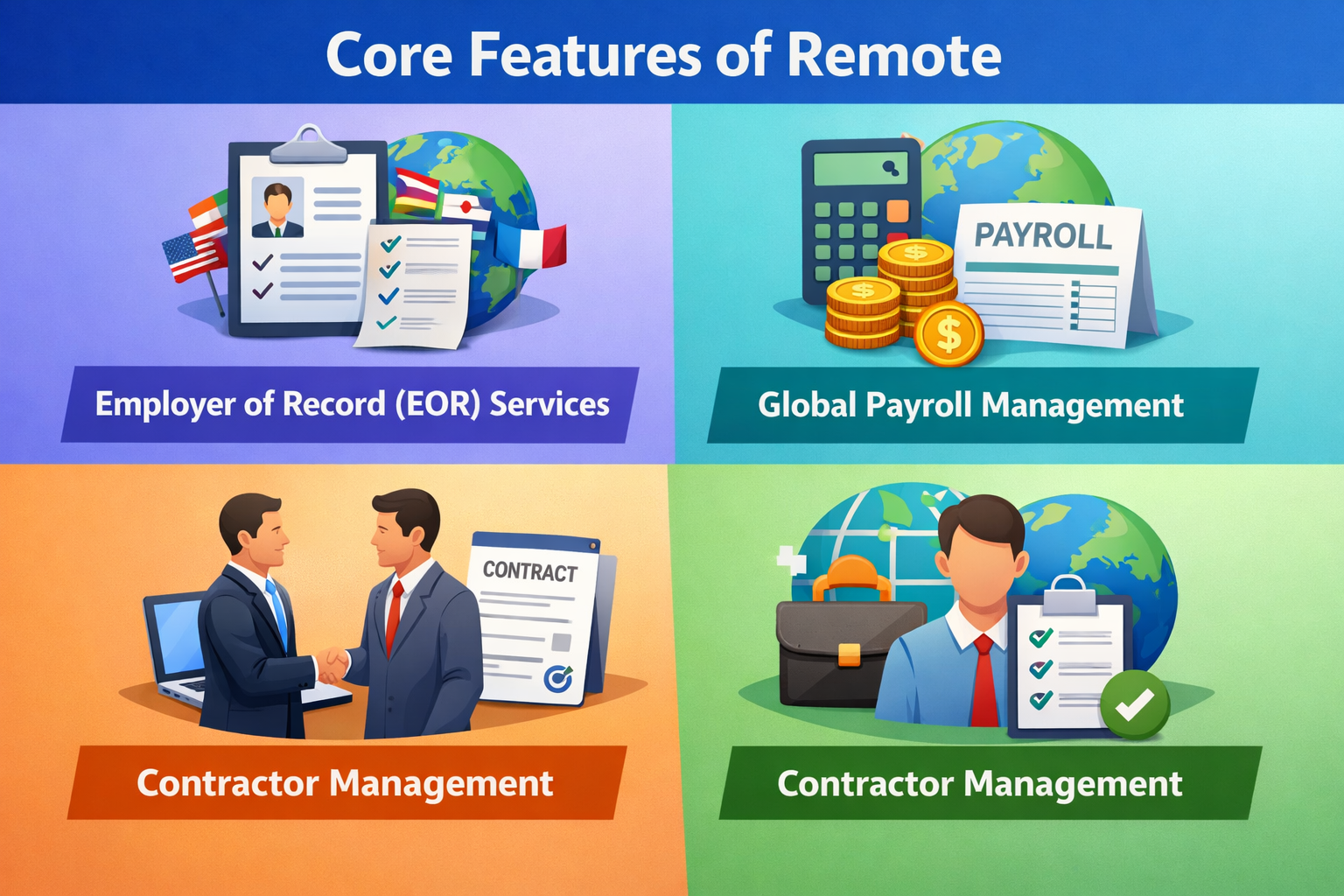
Core Features of Remote
Employer of Record (EOR) Services
Remote legally employs workers on your behalf while you manage their day-to-day tasks. You get global talent without legal headaches.
Global Payroll Management
From salaries to taxes and social contributions, Remote handles payroll accurately and on time across countries.
Contractor Management
Hiring Freelancers Internationally
Remote lets you onboard contractors quickly without misclassification risks.
Compliance and Payments
Payments, contracts, and local regulations are all managed in one place.
Benefits Administration
Remote offers country-specific benefits, ensuring employees feel valued and secure.
Countries and Global Coverage
Number of Countries Supported
Remote supports hiring in dozens of countries across Europe, Asia, the Americas, and beyond.
Expansion and Local Expertise
Unlike platforms that rely heavily on third parties, Remote owns its local entities in many regions—giving better compliance control.
Health insurance, paid leave, and local benefits improve job satisfaction.
Career Flexibility
Workers enjoy global opportunities without relocating.
Remote vs Other Global Employment Platforms
Remote vs Deel
Remote focuses heavily on compliance and owned entities, while Deel emphasizes speed and flexibility.
Remote vs Papaya Global
Papaya shines in enterprise payroll, while Remote excels in EOR simplicity and transparency.
Key Differentiators
Remote’s owned-entity model and transparent pricing set it apart.
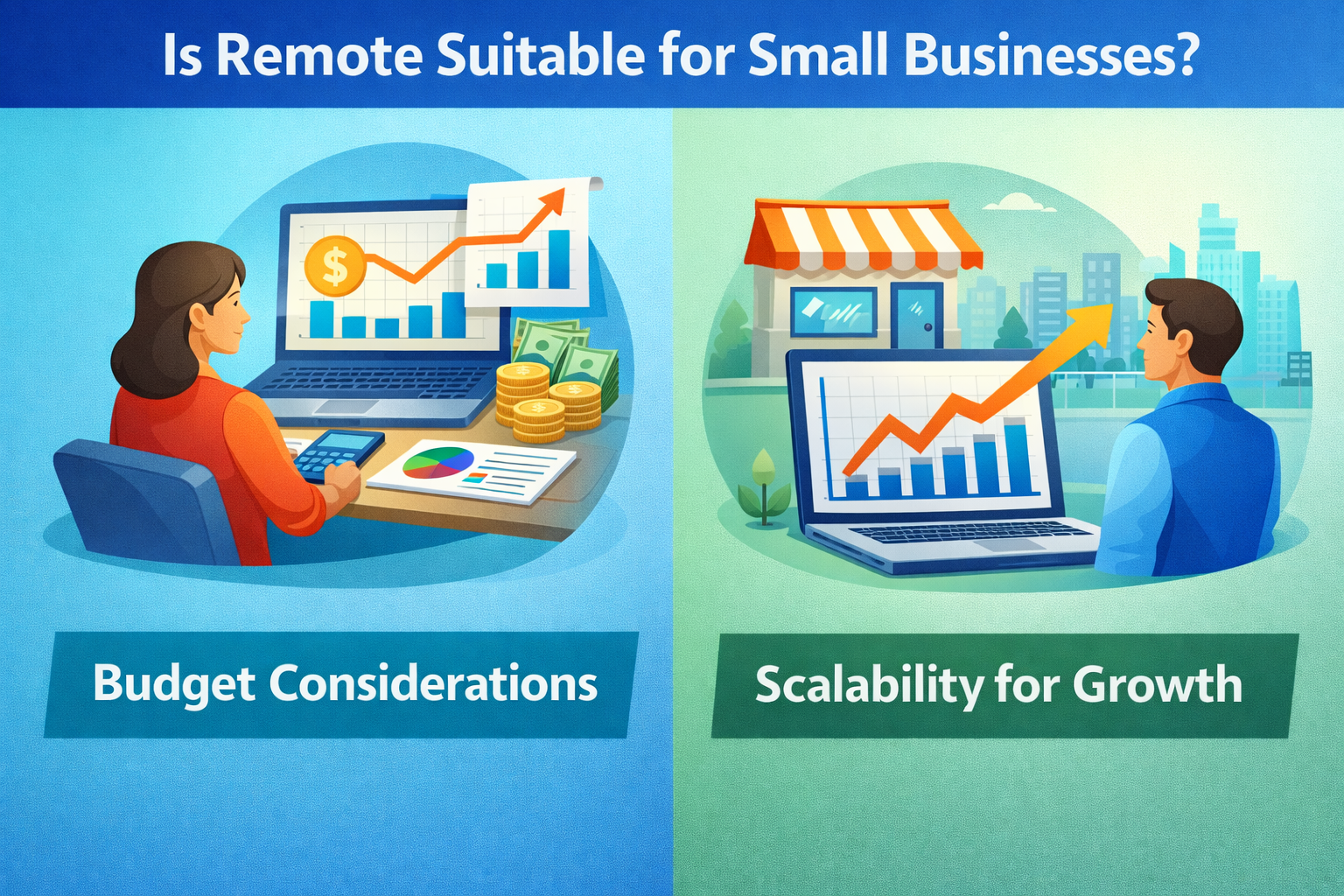
Is Remote Suitable for Small Businesses?
Budget Considerations
While not the cheapest, the risk reduction often justifies the cost.
Scalability for Growth
You can start small and scale globally without switching platforms.
Pros and Cons of Using Remote
Advantages
Strong compliance focus
Transparent pricing
Excellent user experience
Wide country coverage
Limitations
Pricing may feel premium for very small teams
Fewer add-ons compared to some competitors
Use Cases and Real-World Scenarios
Hiring a Distributed Tech Team
Perfect for startups building remote-first engineering teams.
Expanding Into New Markets
Test new regions without setting up local subsidiaries.
Managing Global Contractors
Centralized contracts, payments, and compliance.
Is Remote the Best Platform for International Employment in 2025?
Market Trends
Global hiring is accelerating, and compliance-first platforms are winning.
Who Should Choose Remote
Companies serious about long-term global growth and legal safety.
Conclusion
So, is Remote the best platform for international employment? For many businesses, the answer is yes. It removes the friction from global hiring, protects you from compliance risks, and delivers a smooth experience for both employers and employees. While it may not be the cheapest option, the peace of mind it provides is priceless—especially when hiring across borders.
Frequently Asked Questions
Q. What is Remote used for?
Remote helps companies hire, manage, and pay international employees and contractors legally.
Q. Is Remote suitable for startups?
Yes, especially for startups hiring globally without local entities.