

Lightinthebox: How It Became a Global E-Commerce Marketplace
How It Became a Global E-Commerce Marketplace explores the inspiring journey of Lightinthebox from a small cross-border startup to a globally recognized online marketplace. The post highlights how smart sourcing, data-driven decisions, advanced technology, and customer-centric strategies helped Lightinthebox reach millions of shoppers worldwide. It’s a concise yet insightful look at the business model, growth tactics, and lessons that make Lightinthebox a standout name in global e-commerce.
Table of Contents
- 1 Introduction: From a Small Idea to a Global Shopping Giant
- 2 Understanding LightInTheBox at a Glance
- 3 The Early Days of LightInTheBox
- 4 The Business Model That Fueled Global Growth
- 5 Product Categories That Drove Popularity
- 6 Global Expansion Strategy Explained
- 7 Technology as the Backbone of Success
- 8 Supply Chain and Logistics Mastery
- 9 Marketing Strategies That Built a Global Brand
- 10 Customer Experience and Trust Building
- 11 Challenges Faced by LightInTheBox
- 12 How LightInTheBox Adapted and Evolved
- 13 LightInTheBox in the Modern E-Commerce Landscape
- 14 Future Growth Opportunities
- 15 What Entrepreneurs Can Learn from LightInTheBox
- 16 Conclusion
- 17 Frequently Asked Questions
Introduction: From a Small Idea to a Global Shopping Giant
Have you ever wondered how some online stores seem to pop up everywhere in the world almost overnight? One day you’ve never heard of them, and the next day, they’re shipping dresses to Europe, gadgets to the US, and home décor to Australia. That’s exactly the kind of story LightInTheBox represents.
LightInTheBox didn’t start as a massive global brand. It started with a simple idea: connect manufacturers directly with customers across borders. No unnecessary middlemen, no inflated prices—just smart logistics, technology, and a deep understanding of global consumer demand. Over time, this idea evolved into one of the most recognizable cross-border e-commerce platforms in the world.
Understanding LightInTheBox at a Glance
What Is LightInTheBox?
LightInTheBox is a global online retail marketplace that sells a wide range of products, including fashion, electronics, home goods, accessories, and lifestyle items. Unlike traditional retailers, it focuses heavily on cross-border sales, delivering products to customers in more than 200 countries and regions.
What Makes It Different from Traditional E-Commerce Stores?
Think of LightInTheBox as a bridge. On one side are manufacturers and suppliers—mainly in Asia—and on the other side are global consumers looking for affordable, trendy products. LightInTheBox connects the two efficiently, cutting costs and speeding up global access.
The Early Days of LightInTheBox
Founding Vision and Mission
LightInTheBox was founded with a clear mission: make global shopping accessible to everyone. The founders saw an opportunity in international e-commerce long before it became mainstream. At a time when most online stores focused on local markets, LightInTheBox thought bigger.
Identifying a Global Market Gap
The founders noticed two major gaps:
- Global consumers wanted affordable products not available locally
- Manufacturers wanted international reach without complex export systems
LightInTheBox stepped right into that gap and built a platform that solved both problems.
The Business Model That Fueled Global Growth
Direct-to-Consumer (DTC) Approach
Instead of relying on physical stores or distributors, LightInTheBox adopted a direct-to-consumer model. This helped:
- Reduce costs
- Control pricing
- Scale faster across borders
Marketplace + Private Label Strategy
LightInTheBox combines a marketplace model with private-label offerings. This means it sells products from third-party sellers while also offering its own curated collections, especially in fashion.
Why This Hybrid Model Works
- More product variety
- Better control over quality
- Higher profit margins
Product Categories That Drove Popularity
Fashion and Apparel
Fashion is one of LightInTheBox’s strongest categories. From wedding dresses to casual wear, it offers trendy designs at competitive prices.
Electronics and Gadgets
Affordable accessories, smart devices, and everyday tech items attract bargain hunters worldwide.
Home, Lifestyle, and Accessories
Home décor, lighting solutions, and lifestyle products add depth to the catalog and increase repeat purchases.
Global Expansion Strategy Explained
Focus on Cross-Border E-Commerce
LightInTheBox was built for cross-border commerce from day one. Its systems support multiple currencies, languages, and payment methods—something many competitors added much later.
Localization for Different Markets
Rather than using a one-size-fits-all approach, LightInTheBox adapts:
- Website language
- Currency display
- Payment options
- Product recommendations
This localization builds trust and improves conversion rates.
Technology as the Backbone of Success
Data-Driven Product Selection
LightInTheBox uses data analytics to understand what customers want. If a style starts trending in one country, the platform reacts quickly.
AI and Recommendation Systems
Personalized product recommendations keep users engaged and increase average order value.
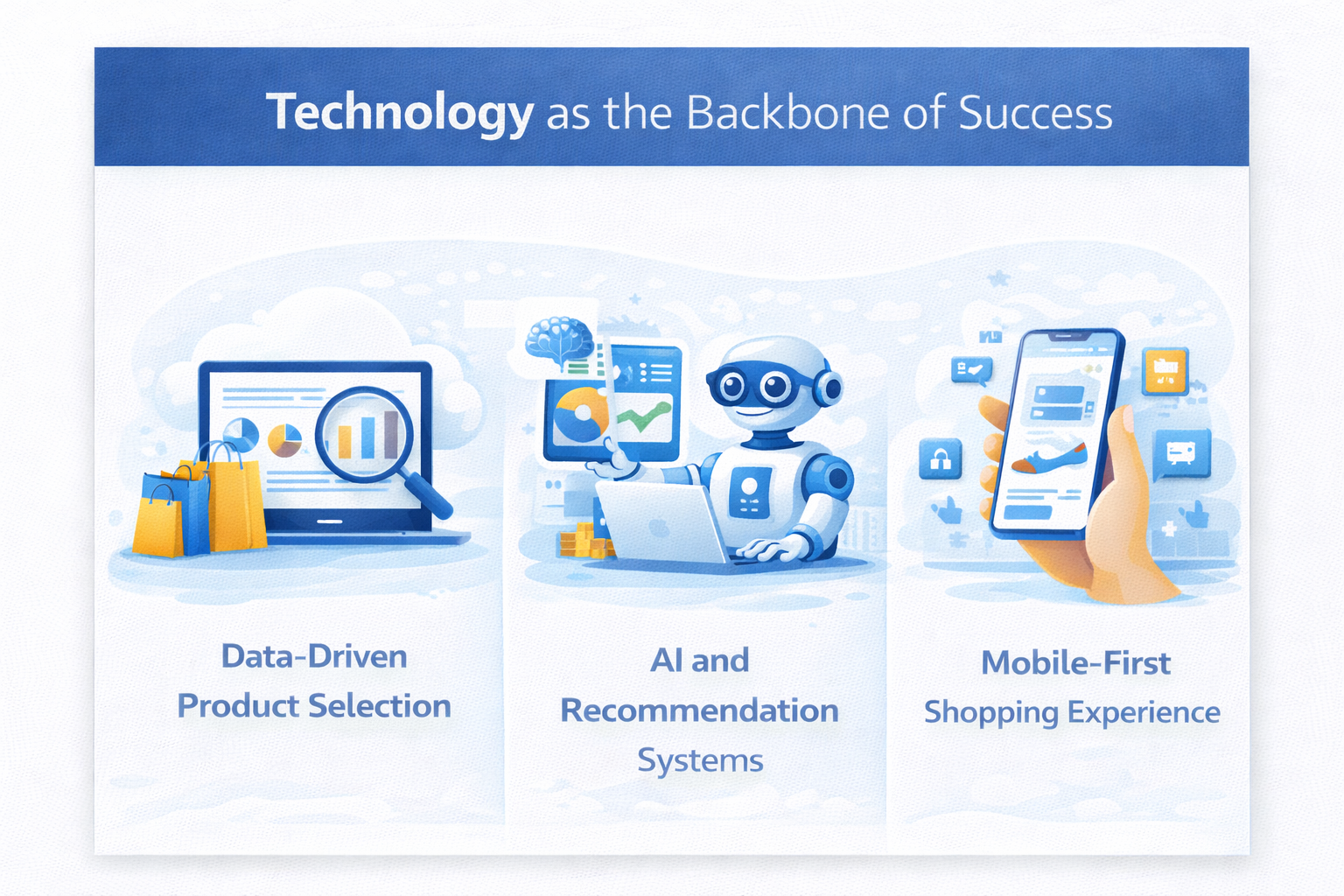
Mobile-First Shopping Experience
With a strong mobile app and responsive design, LightInTheBox caters to modern shoppers who prefer buying on the go.
Supply Chain and Logistics Mastery
Strong Supplier Network
The company maintains close relationships with manufacturers, ensuring consistent supply and competitive pricing.
Global Warehousing and Shipping
LightInTheBox optimizes delivery times using:
- Regional warehouses
- Smart inventory management
- Multiple shipping partners
This reduces delays and improves customer satisfaction.
Marketing Strategies That Built a Global Brand
Performance Marketing and Paid Ads
Targeted ads on Google, social media, and marketplaces help LightInTheBox reach global audiences efficiently.
SEO and Content Marketing
Organic traffic plays a huge role. Product pages, category content, and blogs are optimized for search engines, attracting long-term traffic.
Influencer and Social Media Marketing
Collaborations with influencers help the brand connect with younger, trend-focused audiences.
How Jabra Australia Leads the Audio Tech Market Through Innovation
Mixbook Review: Why Its Custom Photo Books Dominate the Market
HubSpot Marketing Strategy: Why It’s the Gold Standard for Automation
How Factor NL Uses Modern Marketing to Strengthen Its Brand
DocHub Marketing Strategy: Why Users Prefer It Over Competitors
Customer Experience and Trust Building
User-Friendly Website Design
Simple navigation, clear pricing, and transparent shipping details reduce friction during checkout.
Customer Reviews and Ratings
User-generated content builds credibility and helps new customers feel confident about their purchases.
Customer Support and Policies
Flexible return policies and responsive customer service play a key role in retaining customers.
Challenges Faced by LightInTheBox
Intense Global Competition
Competing with giants like Amazon and emerging platforms like Shein is no small task.
Logistics and Delivery Expectations
Global customers expect faster shipping, pushing LightInTheBox to continuously improve logistics.
Quality Control Across Suppliers
Maintaining consistent quality across thousands of suppliers is an ongoing challenge.
How LightInTheBox Adapted and Evolved
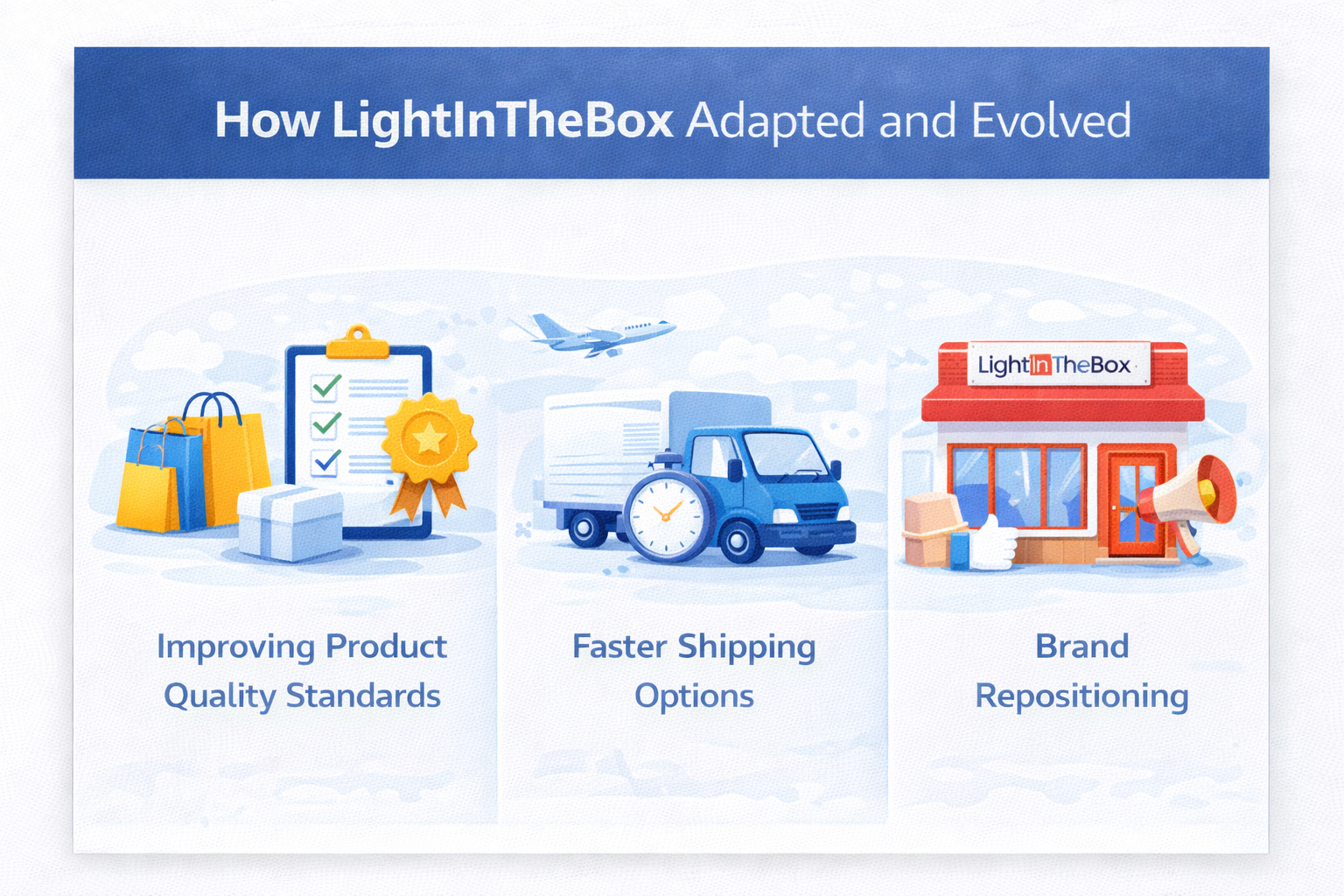
Improving Product Quality Standards
Stricter supplier guidelines and quality checks help reduce complaints.
Faster Shipping Options
Introducing expedited shipping options has significantly improved customer satisfaction.
Brand Repositioning
LightInTheBox has shifted focus from being just “cheap” to offering better value-for-money products.
LightInTheBox in the Modern E-Commerce Landscape
Competing in the Age of Fast Fashion
With quick turnaround designs and trend tracking, LightInTheBox stays relevant in fast-moving markets.
Sustainability and Ethical Considerations
The company is gradually exploring more sustainable practices, responding to growing consumer awareness.
Future Growth Opportunities
Emerging Markets
Regions like Southeast Asia, Latin America, and Africa present massive growth potential.
Private Label Expansion
More in-house brands could improve margins and brand loyalty.
Enhanced AI and Automation
Smarter logistics, customer service bots, and demand forecasting will shape the next phase of growth.
What Entrepreneurs Can Learn from LightInTheBox
Think Global from Day One
LightInTheBox proves that global ambition doesn’t have to wait.
Leverage Data, Not Guesswork
Every major decision is backed by insights, not assumptions.
Adapt Fast or Fall Behind
The company’s ability to evolve keeps it competitive in a crowded market.
Conclusion
LightInTheBox’s journey from a startup to a global e-commerce marketplace is a masterclass in vision, execution, and adaptability. By focusing on cross-border commerce, leveraging technology, and listening to customers, it carved out a powerful position in the global market.
Its story shows that with the right strategy, even smaller players can compete on a global scale. In a world where borders matter less and digital storefronts matter more, LightInTheBox stands as a shining example of what’s possible.
Frequently Asked Questions
Q. Is LightInTheBox a legitimate company?
Yes, LightInTheBox is a well-established global e-commerce company serving customers worldwide.
Q. What products is LightInTheBox best known for?
It is especially popular for fashion, wedding dresses, electronics accessories, and home décor.
Q. Does LightInTheBox ship internationally?
Yes, it ships to over 200 countries and regions globally.
Q. How does LightInTheBox keep prices low?
By sourcing directly from manufacturers and reducing middlemen.
Q. Is LightInTheBox suitable for small sellers?
Yes, its marketplace model allows third-party sellers to reach a global audience.

Recent Post

Understanding Managed Hosting Features and Tools Offered by WP Engine

A Practical Guide to Making the Most of gymdolphin for Fitness

Discovering Contemporary Men’s Clothing Styles at Incerunmen

Why Online Shoppers Are Exploring UOOZEE for New Products

How Weblium.com Helps Simplify the Website Creation Process

Understanding Supplement Selection and Quality at BulkSupplements.com

How Digital Solutions Are Evolving With CHENGDU OUMEI NETWORK INFORMATION L.T.D

Beauty Trends Worth Exploring With Dominique Cosmetics – 122027

The Growing Role of 3D Scanning and Revopoint 3D Technologies Inc
Releted Post