




LATAM Airlines: Digital Transformation in the Aviation Industry explores how LATAM Airlines is reshaping modern aviation through advanced digital technologies. The post highlights the airline’s use of cloud computing, data analytics, AI, and customer-centric innovation to improve operational efficiency, enhance passenger experience, and support sustainable aviation growth in a highly competitive global market.
Table of Contents
The aviation industry has always been about precision, timing, and trust. But today, it’s also about data, speed, and digital intelligence. Airlines are no longer just flying passengers from point A to point B—they are delivering connected, personalized, and tech-driven experiences. Digital transformation has become the fuel powering this change.
Think of digital transformation as upgrading from a paper map to GPS navigation. Without it, airlines struggle with inefficiencies, delays, and rising customer expectations. Travelers want real-time updates, mobile-first services, and seamless journeys. Airlines that fail to adapt risk being left behind.
Low-cost carriers, tech-savvy startups, and digitally mature global airlines have raised the bar. To stay competitive, traditional airlines must modernize operations, embrace automation, and turn data into actionable insights.
LATAM Airlines is one of the largest airline groups in Latin America, connecting major destinations across South America, North America, Europe, and beyond. Operating in a diverse and complex region, LATAM faces unique operational and customer experience challenges.
LATAM recognized early that technology would be a key differentiator. Rather than treating digital tools as add-ons, the airline embedded digital thinking into its long-term strategy—focusing on agility, customer satisfaction, and operational resilience.
Traditional airline systems were often siloed, slow, and expensive to maintain. Digital transformation replaces these with integrated, cloud-based platforms that communicate in real time across departments.
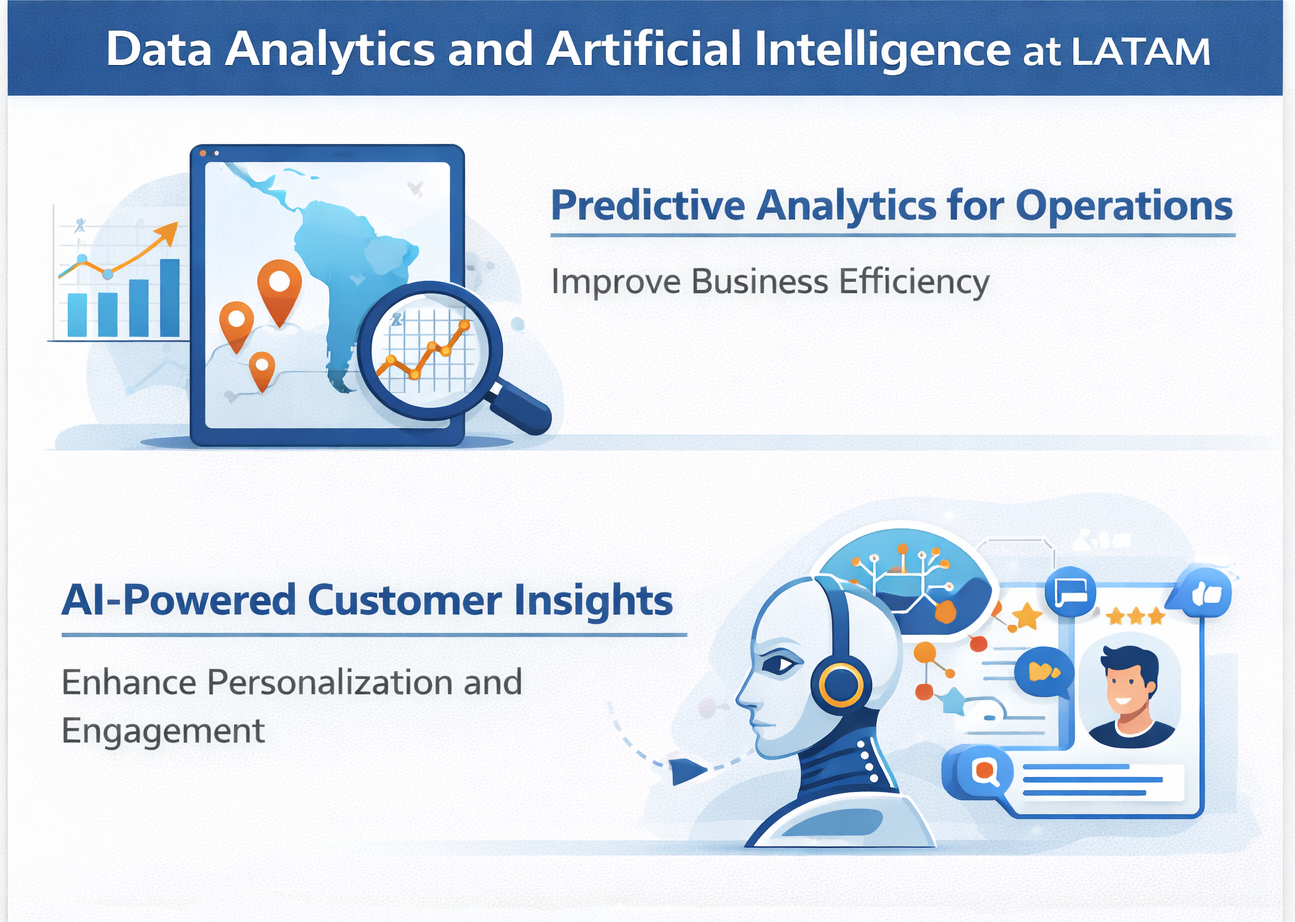
Every flight generates massive amounts of data. When analyzed correctly, this data helps airlines optimize routes, predict delays, and improve customer experiences.
Automation reduces human error and speeds up processes—from ticketing and baggage handling to maintenance scheduling and crew management.
LATAM’s transformation starts with the customer. Every digital initiative is evaluated through one key question: Does this make the passenger’s journey smoother?
By adopting cloud technologies and agile development methods, LATAM can roll out updates faster, scale systems during peak travel seasons, and innovate without disrupting operations.
LATAM’s mobile app acts like a personal travel assistant. From booking and seat selection to boarding passes and flight updates, everything is available in one place.
AI analyzes traveler preferences to offer personalized seat upgrades, meal options, and travel recommendations—making each journey feel tailor-made.
Push notifications keep passengers informed about gate changes, delays, and baggage status, reducing stress and uncertainty.
LATAM uses predictive models to anticipate disruptions before they happen. Weather issues, congestion, or maintenance risks can be addressed proactively.
By analyzing feedback, booking behavior, and support interactions, AI helps LATAM understand what customers truly value—and where improvements are needed.
Pilots now rely on digital flight bags and real-time data feeds instead of bulky manuals and static plans.
Advanced algorithms calculate the most fuel-efficient routes, saving costs and reducing environmental impact.
Sensors monitor aircraft health continuously, allowing maintenance teams to fix issues before they cause delays or cancellations.
LATAM’s move to the cloud has improved system reliability and reduced downtime—critical in an industry where minutes matter.
Cloud infrastructure scales automatically during high-demand periods, ensuring smooth operations without overpaying for unused capacity.
With millions of customer records, LATAM invests heavily in encryption, access controls, and threat monitoring.
Digital systems are designed to meet international aviation, data privacy, and cybersecurity regulations.
How Jabra Australia Leads the Audio Tech Market Through Innovation
MEL Science: A Brilliant Example of EdTech Marketing Success
How GoMoWorld Revolutionizes Global Connectivity: Marketing Insights
How eu.ugreen.com Drives Massive Sales With Smart Digital Marketing
DHgate Marketing Strategy: Why Sellers Choose This Platform
Technology is only as good as the people using it. LATAM trains employees in data literacy, agile methods, and digital tools.
Cross-functional teams collaborate like startups—testing ideas quickly and learning from real-world feedback.
Digital transformation isn’t just about profits—it’s also about responsibility.
Optimized flight paths reduce fuel burn and emissions.
Digital documents replace paper manuals, tickets, and forms, reducing waste across operations.
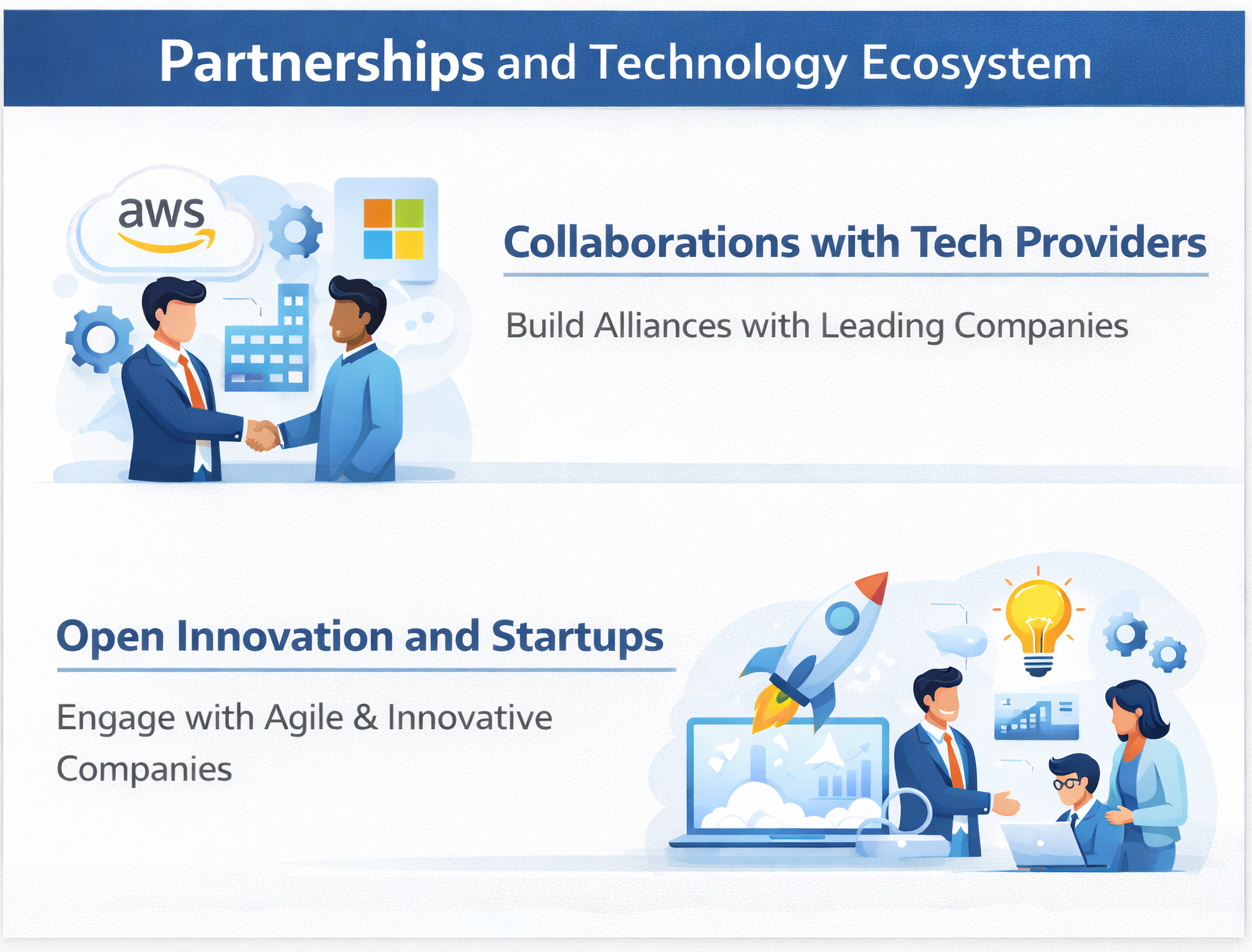
LATAM partners with global technology leaders to accelerate innovation and access cutting-edge solutions.
By working with startups, LATAM experiments with new ideas faster and stays ahead of industry trends.
Transforming a large airline isn’t easy. Legacy mindsets, system dependencies, and operational risks must be carefully managed.
In aviation, reliability is non-negotiable. LATAM balances rapid innovation with rigorous testing and safety standards.
Digital tools have led to smoother journeys, faster problem resolution, and higher passenger loyalty.
Automation, predictive maintenance, and optimized operations have significantly reduced costs and disruptions.
LATAM proves that digital transformation is not a one-time project—it’s a continuous journey driven by customer needs and data.
As AI, automation, and sustainability technologies evolve, LATAM is well-positioned to remain a digital leader in global aviation.
LATAM Airlines’ digital transformation is a powerful example of how technology can reshape an entire industry. By focusing on customers, embracing data and AI, modernizing systems, and empowering employees, LATAM has turned digital innovation into a competitive advantage. In an industry where every second counts, LATAM shows that the future of aviation belongs to airlines that think digitally, act boldly, and never stop evolving.
It involves using technologies like AI, cloud computing, and data analytics to improve airline operations, customer experience, and efficiency.
LATAM has improved customer satisfaction, reduced operational costs, enhanced safety, and increased efficiency through technology.
Yes, predictive maintenance, real-time data, and smart flight planning significantly enhance safety and reliability.
AI helps personalize offers, predict passenger needs, and improve customer support through data-driven insights.
Absolutely. Optimized routes, fuel efficiency, and paperless operations directly reduce environmental impact.

Recent Post
How Weblium.com Helps Simplify the Website Creation Process

Understanding Supplement Selection and Quality at BulkSupplements.com

How Digital Solutions Are Evolving With CHENGDU OUMEI NETWORK INFORMATION L.T.D

Beauty Trends Worth Exploring With Dominique Cosmetics – 122027

The Growing Role of 3D Scanning and Revopoint 3D Technologies Inc

Why Fitness Fashion Lovers Are Exploring WISKII ACTIVE LIMITED

Improving Website Performance and User Experience With Strategy11

Website Design Trends and the Growing Role of Weblium.com

Photography Styling Trends and the Role of KATE BACKDROP INC
A Guide to Finding Everyday Fashion Inspiration on rihoas.com
Releted Post