The Power of a Thoughtful Reply: Turning Conversations into Conversions
Discover how a thoughtful reply can transform ordinary interactions into powerful opportunities for engagement and conversion. This blog post, “The Power of a Thoughtful Reply: Turning Conversations into Conversions,” explores how empathy, timing, and personalization in your replies can build trust, strengthen relationships, and drive business growth.
In today’s digital world, where messages fly faster than ever, a thoughtful reply can make the difference between losing a lead and closing a sale. Every conversation — whether it happens over email, chat, or social media — has the potential to build trust, nurture relationships, and drive conversions. But how? Let’s uncover the power behind this simple yet effective communication art.
Understanding Thoughtful Replies
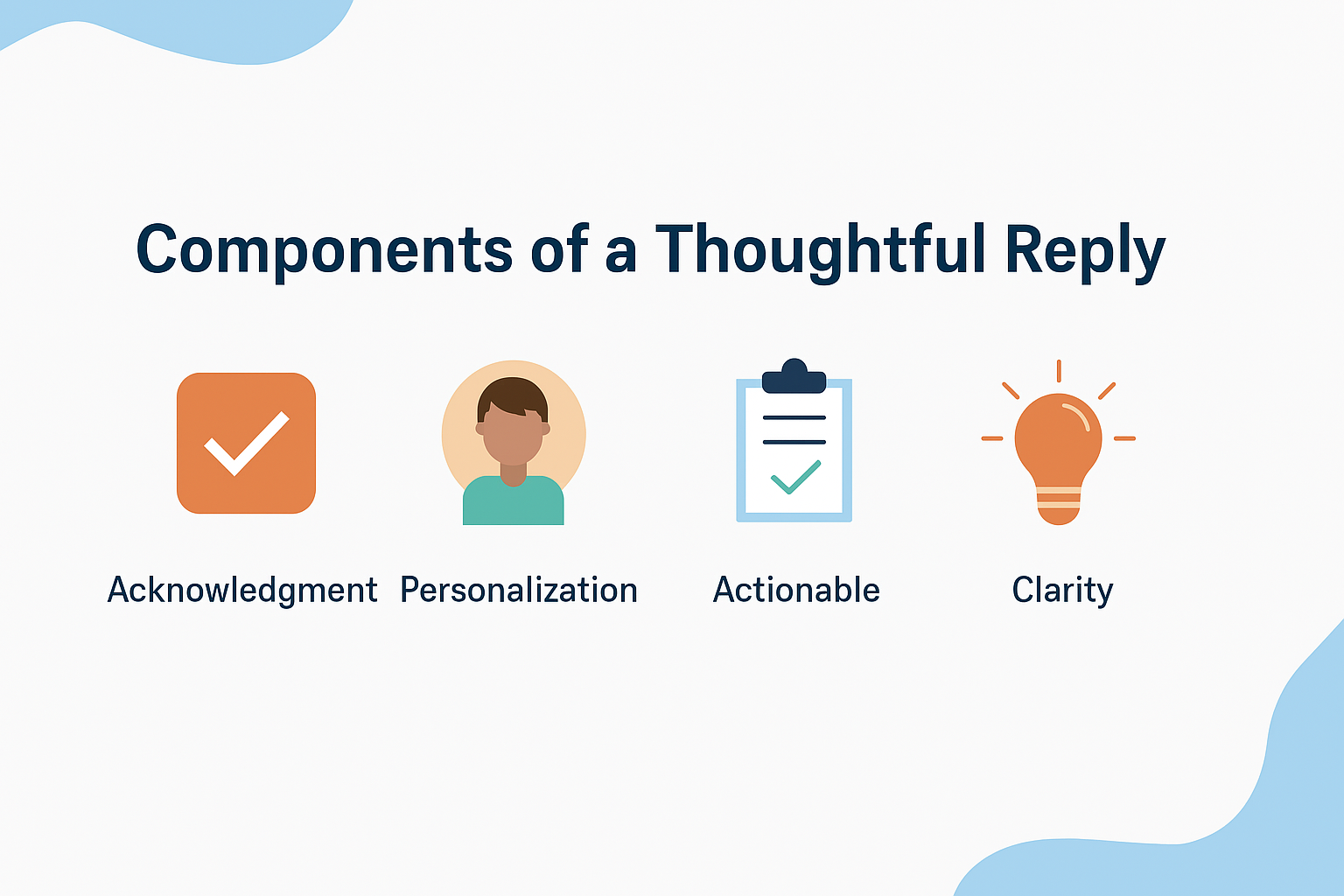
A thoughtful reply is more than just answering a question — it’s about showing understanding, empathy, and genuine interest. It reflects your brand’s personality and values, making customers feel heard and appreciated.
Difference Between Generic and Thoughtful Replies
Generic replies sound robotic: “Thank you for contacting us.” Thoughtful replies go deeper: “We really appreciate you taking the time to share your concern, and we’re here to help fix it right away.” See the difference? One ends the conversation; the other opens it up.
Why Tone and Empathy Matter
Your tone defines your intent. A touch of empathy — recognizing someone’s feelings or frustrations — transforms your message from transactional to relational.
The Psychology Behind Conversations
People don’t just buy products; they buy experiences. A thoughtful reply activates emotional triggers that make them feel valued.
Emotional Triggers That Influence Decisions
Emotions like trust, comfort, and appreciation often outweigh logic when making decisions. A genuine reply builds that emotional bridge.
Active Listening for Conversions
When you listen actively — repeat, acknowledge, and respond — you make customers feel validated. This small step often leads to a big yes.
How Thoughtful Replies Drive Conversions
Thoughtful communication creates an invisible funnel that moves customers closer to conversion. For example, a friendly follow-up email can transform a cold lead into a loyal advocate.
Personalized Responses Increase Satisfaction
Customers crave personal attention. Addressing them by name and referencing their specific concerns signals effort and sincerity.
Turning Queries into Opportunities
Every question is a hidden conversion opportunity. Instead of treating queries as obstacles, respond with helpful solutions that subtly showcase your brand’s value.
AI-powered CRM tools can help categorize messages and suggest responses — freeing up your team to add a personal touch.
Maintaining Consistency Across Platforms
Ensure your tone and message stay consistent whether on email, social media, or live chat. Brand voice consistency builds recognition and trust.
Examples of Thoughtful Replies in Action
Customer Support
“Hi Sarah, I’m really sorry about the delay in your delivery. I’ve just checked with our logistics team — your order will arrive by Wednesday. We truly appreciate your patience.” That’s empathy + action + assurance in one.
Email Marketing
Instead of “We noticed you didn’t complete your purchase,” try: “Hey Alex, your favorite sneakers are still waiting in your cart — and we’ve saved your size just for you!”
Social Media
Quick, witty, and human responses on comments build engagement and shareability.
AI can help draft and schedule replies, but the final voice should always sound human. Use automation to assist — not replace — empathy.
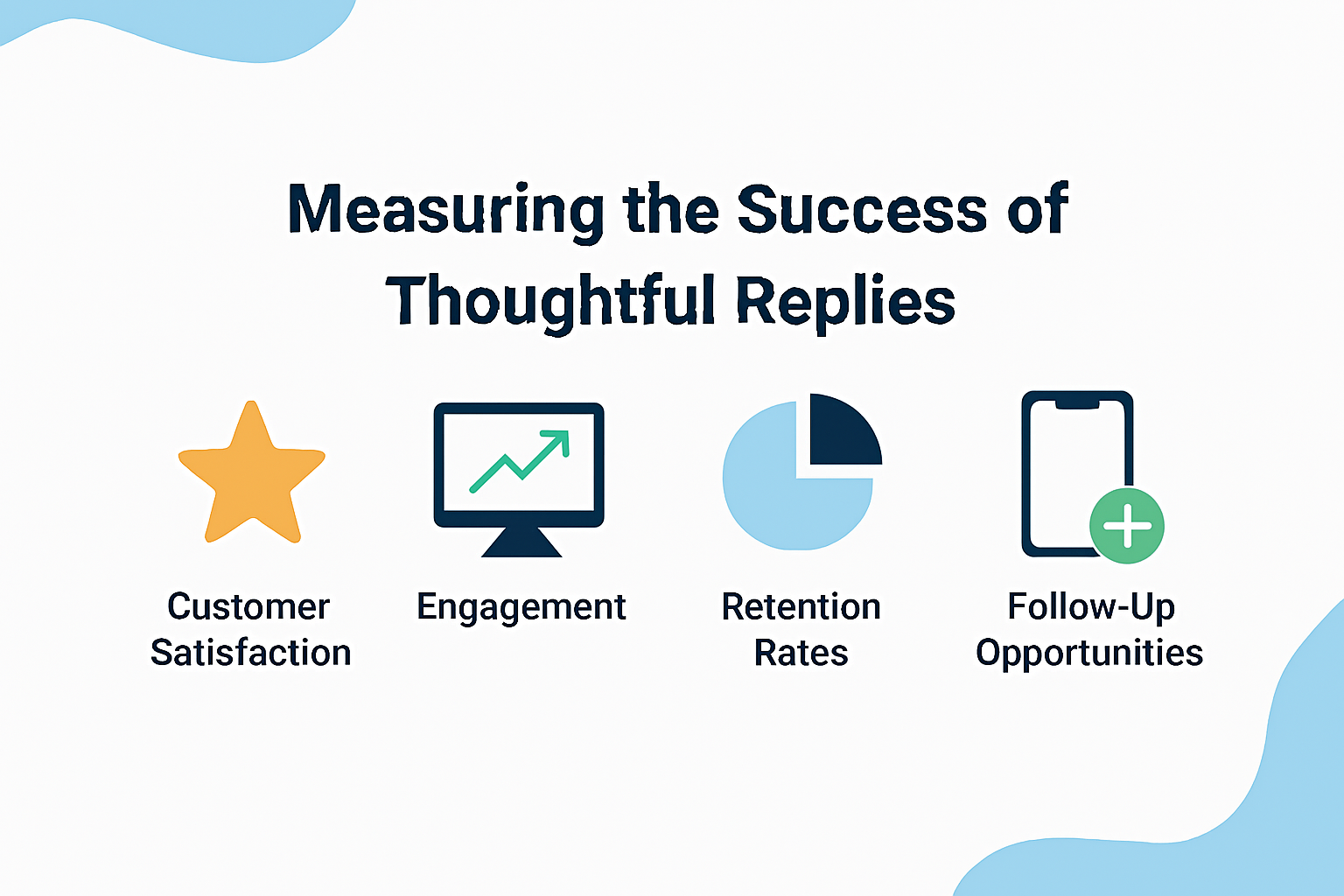
Measuring the Success of Thoughtful Replies
Key Metrics
Engagement Rate: Are people responding positively?
Conversion Rate: Do thoughtful interactions lead to sales?
Response Time: How quickly do you reply without sacrificing quality?
Customer Sentiment: What’s the tone of feedback you receive?
Crafting Replies for Different Platforms
Email
Keep it warm and professional. Personalization is key.
Chatbots
Use natural language and friendly tone, and always provide an option to talk to a real human.
Social Media
Be conversational, humorous when appropriate, and genuine — never dismissive.
Case Studies
1. Zappos
Zappos’ customer service is legendary because they go beyond the script. Their agents often send handwritten notes — small gestures that create lifetime customers.
2. Starbucks
Starbucks’ Twitter replies often include personalized messages and emojis. This light-hearted touch humanizes the brand and strengthens its fan base.
Conclusion
Thoughtful replies are not just good manners — they’re a marketing strategy. Every time you respond with empathy, understanding, and clarity, you’re building trust and guiding the conversation toward conversion. In a world obsessed with speed and automation, thoughtfulness is your competitive edge.
Frequently Asked Questions
Q. What is a thoughtful reply?
A thoughtful reply is a personalized, empathetic response that shows genuine care and understanding for the person you’re communicating with.
Q. How can thoughtful replies increase conversions?
They build trust, improve satisfaction, and encourage engagement — all key factors in turning conversations into sales.
Q. Can automation help in creating thoughtful replies?
Yes, but only as a support tool. Authenticity should always come from a human touch.
Q. What should I avoid when replying to customers?
Avoid being defensive, using generic scripts, or ignoring emotional cues in their messages.
Q. What’s the best tone for a thoughtful reply?
Friendly, respectful, and empathetic — just like how you’d talk to a friend who needs help.