iMobie: How Software Brands Scale with Digital Marketing
iMobie: How Software Brands Scale with Digital Marketing explores how iMobie successfully grows its software business using smart digital marketing strategies. The post highlights how SEO-driven content, product-led growth, paid advertising, and data-backed decisions help iMobie build trust, attract high-intent users, and scale globally in a competitive software market. Perfect for marketers, SaaS founders, and digital growth enthusiasts looking for real-world inspiration.
Let’s be honest—building software is hard, but selling software is even harder. In today’s hyper-competitive digital world, great products don’t magically sell themselves. They need visibility, trust, and a clear value story. This is where digital marketing becomes the real growth engine.
Software brands like iMobie didn’t scale globally by accident. They used smart, consistent, and user-focused digital marketing strategies that turned complex tools into everyday solutions.
Why Digital Marketing Is the Backbone of SaaS Success
Unlike physical products, software can’t be touched or tried on a shelf. Users need education before conversion. Digital marketing fills that gap by answering questions, solving problems, and guiding users step by step—almost like a helpful friend instead of a pushy salesperson.
Understanding iMobie as a Global Software Brand
iMobie is a well-known software company specializing in iOS and Android utility tools. Its mission is simple: make technology easier for everyday users. That clarity reflects strongly in its marketing.
From data recovery to device management, iMobie products focus on real-world problems, and their marketing mirrors that same mindset.
Core Products That Define iMobie
AnyTrans
A complete device manager that simplifies file transfers and backups.
PhoneRescue
A recovery tool designed to help users retrieve lost data without technical stress.
DroidKit and Other Tools
Android-focused solutions that extend iMobie’s reach beyond Apple users.
Each product has its own marketing funnel, landing pages, and educational content—no one-size-fits-all approach here.
The Digital Marketing Landscape for Software Companies
Traditional ads rarely explain how software works. Digital marketing, on the other hand, allows brands to demonstrate value through blogs, videos, guides, and demos.
For software companies, education equals trust—and trust equals conversions.
Content Marketing as a Growth Engine
iMobie invests heavily in content that teaches rather than sells. Their blogs read like helpful tutorials, not advertisements. This approach builds authority and keeps users coming back.
SEO-Driven Long-Form Content
Long-form guides targeting search intent like “how to recover deleted iPhone data” attract users already looking for solutions. That’s high-quality traffic with strong buying intent.
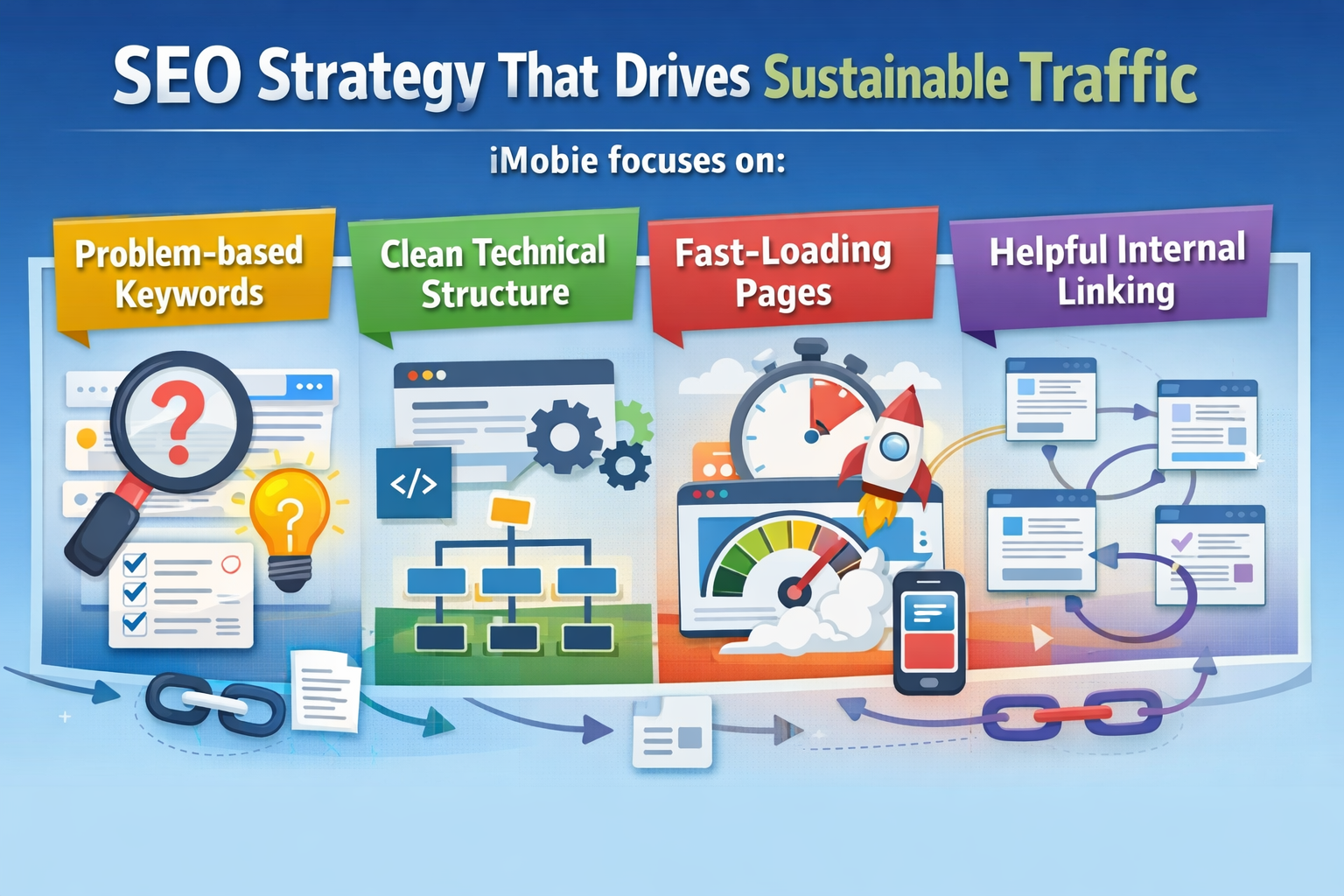
SEO Strategy That Drives Sustainable Traffic
SEO is not about tricks—it’s about relevance and consistency. iMobie focuses on:
Problem-based keywords
Clean technical structure
Fast-loading pages
Helpful internal linking
This creates a traffic system that works 24/7, unlike paid ads that stop the moment budgets pause.
One of iMobie’s smartest moves is letting users experience value first. Free trials, limited free features, and demos allow users to feel the benefit before paying.
It’s like test-driving a car—you’re far more likely to buy once you’ve driven it.
Conversion Rate Optimization (CRO)
Traffic alone means nothing without conversions. iMobie optimizes:
Clear CTAs
Simple pricing pages
Trust badges and guarantees
Every page is designed to reduce friction and answer objections instantly.
While SEO brings long-term growth, paid ads bring speed. iMobie uses:
Google Search Ads for high-intent keywords
Retargeting ads for undecided users
Funnel-based campaigns aligned with user awareness levels
Paid ads don’t replace SEO—they amplify it.
Email Marketing and Lifecycle Automation
Email is where relationships deepen. iMobie uses automated sequences to:
Onboard new users
Educate trial users
Upsell existing customers
Done right, email feels personal—not spammy.
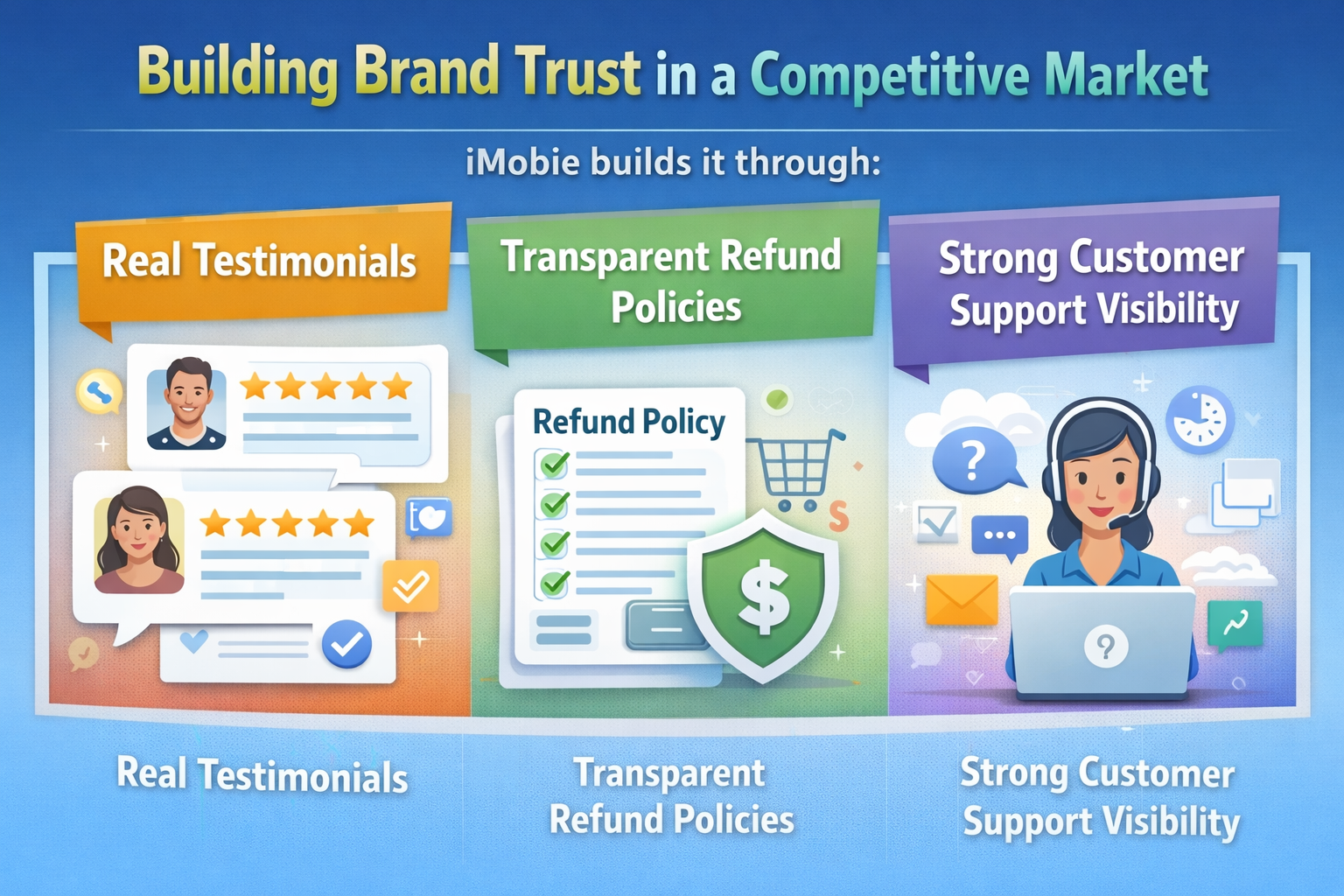
Building Brand Trust in a Competitive Market
Trust is currency in software. iMobie builds it through:
Real testimonials
Transparent refund policies
Strong customer support visibility
People buy from brands they feel safe with.
Affiliate and Partnership Marketing
Affiliate programs allow iMobie to scale reach without scaling ad costs. Bloggers, YouTubers, and tech reviewers become brand advocates—creating a win-win ecosystem.
Data-Driven Decision Making
Every click, scroll, and bounce tells a story. iMobie uses analytics to refine:
Content topics
UX design
Funnel performance
Marketing decisions are based on data, not guesses.
Global Reach Through Localization
iMobie doesn’t market globally with one message. It localizes:
Language
Keywords
User pain points
This makes the brand feel local—even on a global scale.
Challenges Software Brands Face in Digital Marketing
Rising ad costs, fierce competition, and short attention spans are real challenges. The solution? Long-term thinking, consistent branding, and user-first strategies.
Lessons Software Startups Can Learn from iMobie
Solve real problems
Educate before selling
Invest in SEO early
Build trust patiently
Growth is not a sprint—it’s a system.
The Future of Digital Marketing for Software Brands
AI-powered personalization, smarter automation, and community-driven growth will define the next era. Companies will succeed if they listen more than they speak.
Conclusion
iMobie proves that software brands don’t scale by shouting louder—they scale by helping better. Through SEO, content marketing, product-led growth, and data-driven decisions, iMobie has built a sustainable digital marketing engine that many software companies can learn from.
If you’re building a software brand, remember this: marketing isn’t about selling features—it’s about solving problems at scale.
Frequently Asked Questions
Q. What makes iMobie’s digital marketing strategy effective?
Its focus on education, SEO, and user trust rather than aggressive selling.
Q. Can startups apply iMobie’s marketing model?
Yes, especially content marketing and product-led growth strategies.
Q. Is SEO still effective for software companies?
Absolutely. SEO brings high-intent, long-term traffic.
Q. How important is email marketing for SaaS brands?
Critical for onboarding, retention, and lifetime value growth.
Q. What is the biggest lesson from iMobie’s growth?
Consistency and value-driven marketing always outperform short-term hacks.