


Holden Brand History: Rise and Evolution in the Auto Industry
Discover the powerful journey of Holden in this in-depth blog post, “Holden Brand History: Rise and Evolution in the Auto Industry.” From its humble beginnings as a saddlery business in 1856 to becoming Australia’s most iconic automotive brand, this article explores how Holden shaped the nation’s car culture. Learn about its legendary models, motorsport dominance, partnership with General Motors, manufacturing milestones, and the emotional farewell in 2020. If you’re passionate about automotive history or Australian industry, this comprehensive look at Holden reveals how the brand rose, evolved, and left a lasting legacy in the global auto industry.
Table of Contents
- 1 Introduction to Holden
- 2 The Early Beginnings (1856–1900)
- 3 Entry into the Automotive Industry
- 4 The First Australian Car
- 5 Expansion and Growth in the 1950s–1960s
- 6 Performance Era and Motorsport Legacy
- 7 Innovation and Design Evolution
- 8 Competition and Market Challenges
- 9 The End of Local Manufacturing
- 10 The Final Chapter – Brand Discontinuation
- 11 Holden’s Legacy in the Auto Industry
- 12 Holden vs Ford: The Legendary Australian Rivalry
- 13 Holden’s Manufacturing Innovation
- 14 Emotional Goodbye: The End of an Era
- 15 Conclusion
- 16 Frequently Asked Questions
Introduction to Holden
Why Holden Matters in Automotive History
When you think about Australia and cars, one name echoes louder than most—Holden. For decades, the brand wasn’t just selling vehicles; it was shaping identity. Holden became a household name, a driveway staple, and a source of national pride.
In the world of automobiles dominated by giants from America, Europe, and Japan, Holden carved its own lane. It told a uniquely Australian story—rugged, practical, bold, and unapologetically local.
A Symbol of Australian Identity
Holden wasn’t just about transportation. It was about family road trips, Sunday drives, and roaring engines on Bathurst race tracks. For many Australians, owning a Holden was like waving a flag on wheels.
But how did it all begin?
The Early Beginnings (1856–1900)
Founding of J.A. Holden & Co.
Long before engines roared, there were horse-drawn carriages. In 1856, James Alexander Holden founded J.A. Holden & Co. in Adelaide. Originally, the company focused on saddlery—yes, leather goods for horses.
It’s funny to think that a brand known for V8 engines started with horse harnesses, right?
Transition from Saddlery to Vehicle Components
As automobiles slowly replaced horses, Holden adapted. The company shifted from saddlery to manufacturing car bodies. It was a smart move. While others hesitated, Holden evolved.
That flexibility would define its entire journey.
Entry into the Automotive Industry
Partnership with General Motors
The real turning point came when Holden partnered with General Motors in the early 20th century. This partnership gave Holden access to global resources and expertise.
It was like a local athlete joining an international team.
Formation of General Motors-Holden’s Ltd
In 1931, General Motors fully acquired Holden, forming General Motors-Holden’s Ltd (GMH). From this point forward, Holden became Australia’s automotive powerhouse.
The Great Depression tested the industry, but Holden survived. And not just survived—it prepared for something bigger.
The First Australian Car
Launch of the Holden 48-215 (FX)
In 1948, Holden introduced the 48-215, commonly known as the FX. It was Australia’s first mass-produced car.
Imagine the excitement. A car designed and built for Australian roads—dusty outback tracks and coastal highways alike.
Public Reception and Impact
The response? Overwhelming. Australians embraced it instantly. Waiting lists stretched long, and the FX became a symbol of post-war optimism.
It wasn’t just a car. It was freedom.
Expansion and Growth in the 1950s–1960s
Holden FJ and Mass Popularity
The FJ model followed and became even more iconic. Sleek design, reliability, and affordability made it the people’s car.
By the 1960s, Holden dominated Australian roads. If you looked down your street, chances were you’d see at least one parked outside.
Exporting Holden to International Markets
Holden didn’t stop locally. It began exporting vehicles to regions like New Zealand and Southeast Asia. The brand’s confidence grew.
This was the golden era.
Performance Era and Motorsport Legacy
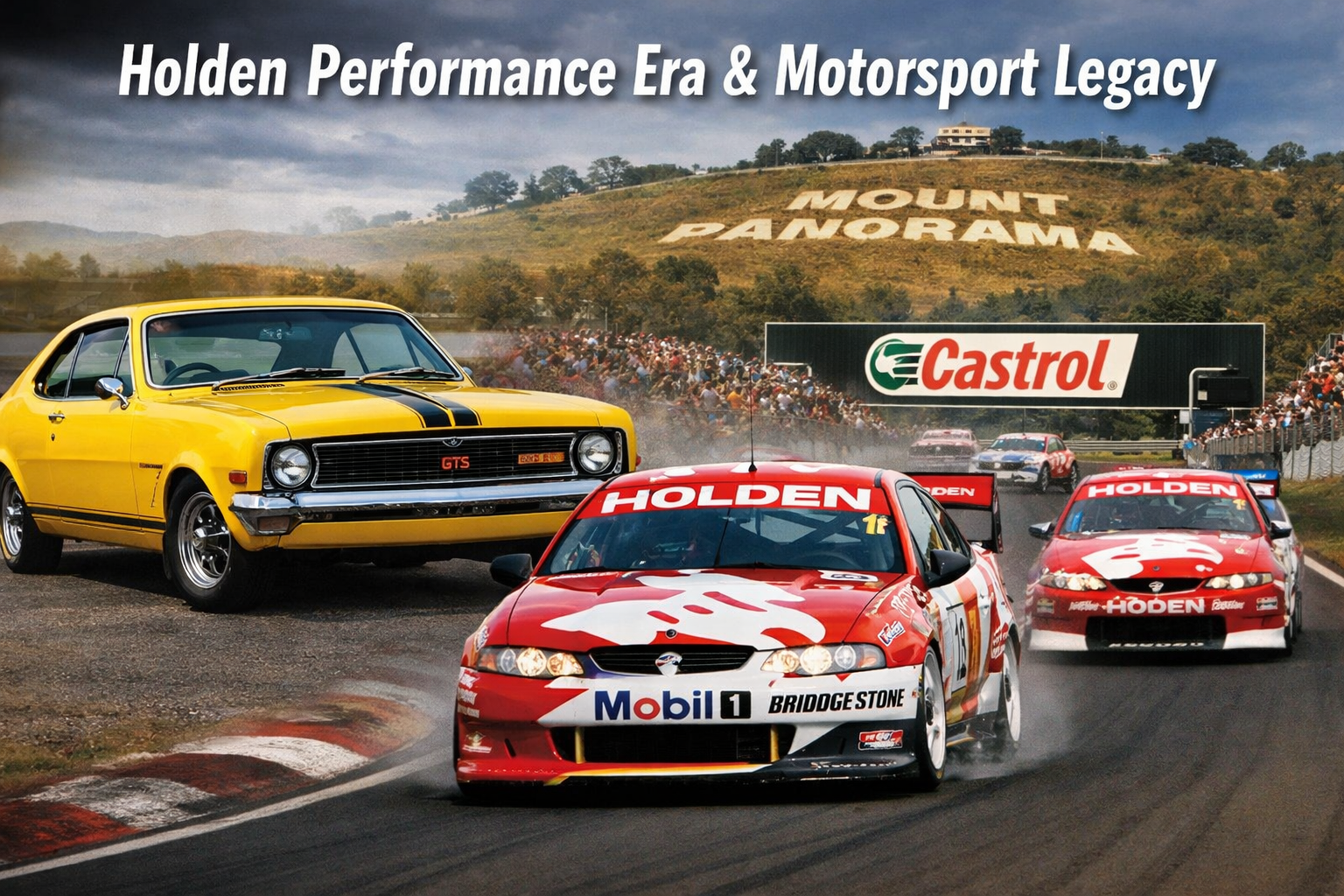
The Iconic Holden Monaro
The late 1960s brought muscle. The Holden Monaro roared onto the scene with power and style.
It wasn’t subtle. It didn’t need to be.
Bathurst and Racing Dominance
Holden’s rivalry at the Bathurst 1000 became legendary. The track battles weren’t just races—they were national events.
Fans wore Holden colors like team jerseys. Victory meant pride.
Innovation and Design Evolution
Advancements in Engineering
From carburetors to fuel injection, Holden kept evolving. The Holden Commodore became a staple family sedan, balancing performance and practicality.
It was the Swiss Army knife of Australian cars.
Adapting to Changing Consumer Needs
As fuel efficiency and safety became priorities, Holden adapted designs and introduced modern features. But global competition was intensifying.
And that changed everything.
Competition and Market Challenges
Rise of Japanese Automakers
Brands like Toyota and Nissan entered aggressively, offering fuel-efficient, affordable vehicles.
Consumers began shifting. Loyalty was tested.
Globalization and Cost Pressures
Manufacturing locally became expensive. Global supply chains favored cheaper overseas production.
Holden faced a tough choice—stay local and struggle, or import and survive.
FoxyBae Review 2026: Is FoxyBae Worth It for Professional Hair Styling?
Zumub: Your Trusted Online Store for Health and Fitness Supplements
Maxiscoot Review: Product Range, Pricing, and Delivery Experience
Amstar DMC (US & Canada) Marketing Strategies in the Travel Industry
Study group Darmstadt DE: Digital Outreach Strategies That Work
The End of Local Manufacturing
Closure of Australian Plants in 2017
In 2017, Holden shut down its Australian manufacturing plants. The final locally produced Holden Commodore rolled off the assembly line.
It was emotional. Workers, families, entire communities felt the impact.
Shift to Imported Models
Afterward, Holden shifted to imported vehicles. But the magic? It felt different. The deep local connection weakened.
The Final Chapter – Brand Discontinuation
Announcement in 2020
In 2020, General Motors announced the discontinuation of Holden as a brand. After more than 160 years, it was over.
Reaction from the Public and Industry
Australians reacted with sadness and nostalgia. Social media filled with old photos and racing memories.
It was like bidding farewell to a longtime friend.
Holden’s Legacy in the Auto Industry
Cultural Impact
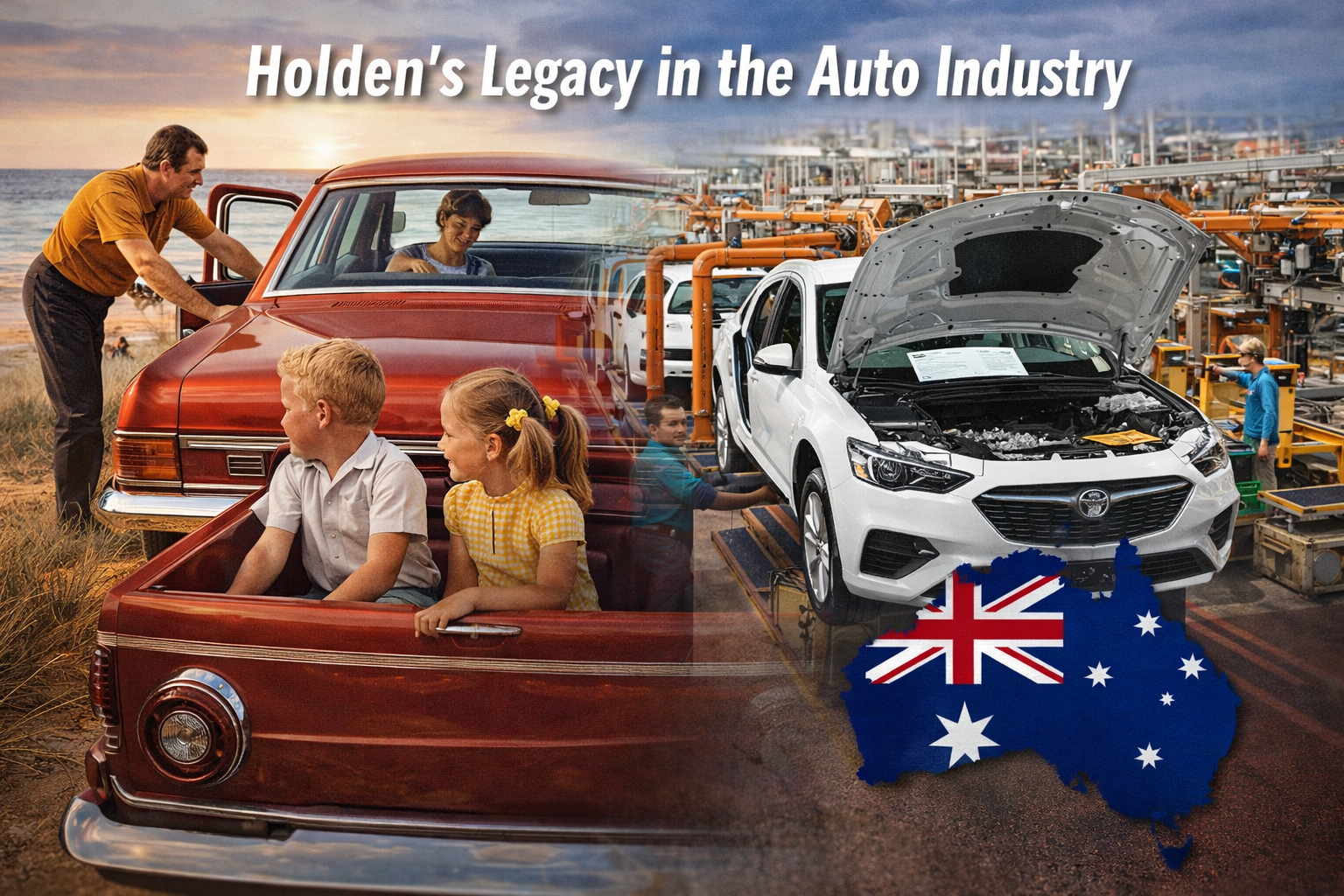
Holden wasn’t just metal and rubber. It shaped identity, motorsport culture, and manufacturing pride.
Its lion emblem still sparks emotion.
Influence on Australian Manufacturing
Holden trained generations of engineers and factory workers. Its impact on Australia’s industrial growth cannot be overstated.
Even in absence, its story continues.
Holden vs Ford: The Legendary Australian Rivalry
No discussion about Holden is complete without mentioning its fierce rivalry with Ford Motor Company — especially the battle between Holden and Ford Australia.
For decades, Australians were divided into two camps: Team Holden or Team Ford. It wasn’t just about cars. It was about loyalty, identity, and bragging rights.
The rivalry reached its peak in touring car championships, particularly at the Bathurst 1000. Holden fans cheered for Commodores, while Ford supporters backed Falcons. It was loud. Emotional. Electric.
This competition pushed Holden to innovate faster and build more powerful machines.
Holden’s Manufacturing Innovation
Did you know Holden invested heavily in local engineering?
Australia’s unique climate required special vehicle tuning. Suspension systems, cooling systems, and chassis strength were optimized for rough roads and long-distance travel.
Unlike imported models, Holden vehicles were built specifically for Australian conditions. That was a major selling point.
Emotional Goodbye: The End of an Era
When General Motors officially retired Holden in 2020, the announcement hit hard.
For many Australians, Holden represented:
- First cars
- Family road trips
- Motorsport heroes
- Local pride
It wasn’t just a business decision. It felt personal.
Car meets and enthusiast clubs still celebrate Holden today. Classic models have become collector’s items.
Conclusion
Holden’s journey is a story of adaptation, ambition, triumph, and challenge. From saddlery to muscle cars, from national icon to global casualty of economics—it experienced the full spectrum of industrial evolution.
The brand may be gone, but its legacy? That’s permanent. Holden proved that a local company could stand tall in a global arena.
And sometimes, that’s more powerful than survival itself.
Frequently Asked Questions
Q. When was Holden founded?
Holden was founded in 1856 as J.A. Holden & Co., originally producing saddlery goods.
Q. What was the first Holden car?
The first mass-produced Holden car was the 48-215 (FX), launched in 1948.
Q. Why did Holden stop manufacturing in Australia?
High production costs and global competition made local manufacturing financially unsustainable.
Q. When did Holden officially close as a brand?
Holden was officially discontinued in 2020 by General Motors.
Q. What is Holden’s most iconic model?
Models like the Holden Monaro and Holden Commodore are widely considered iconic.

Recent Post

Why Makartt Is Popular Among Nail Technicians

Dartmouth Brands Review: Everything You Need to Know

FoxyBae Review 2026: Is FoxyBae Worth It for Professional Hair Styling?

MERSEA: Luxury Travel-Inspired Fashion and Accessories Explained

LELE SADOUGHI: The Statement Accessories Brand You Should Know

Zumub: Your Trusted Online Store for Health and Fitness Supplements

How Uniplaces Simplifies International Housing for Students

ROCKET LAWYER: The Ultimate Online Legal Services Platform

Maxiscoot Review: Product Range, Pricing, and Delivery Experience
Releted Post