CORSAIR: How Gaming Hardware Brands Win Digital Marketing
This blog post explores how CORSAIR has mastered digital marketing in the competitive gaming hardware industry. It breaks down the brand’s use of content marketing, influencer partnerships, community engagement, and data-driven strategies to connect with gamers and build long-term brand loyalty.
Gaming is no longer a niche hobby. It’s a way of life, a job, and a culture for many. That’s exactly why gaming hardware brands can’t rely on old-school marketing tricks anymore. Banner ads and generic slogans simply don’t cut it.
This is where brands like CORSAIR shine. They don’t just sell keyboards, RAM, or headsets—they sell performance, identity, and belonging.
So how do gaming hardware brands actually win digital marketing? Let’s break it down.
Brand Overview of CORSAIR
CORSAIR started as a high-performance memory manufacturer, but today it’s a full-fledged gaming ecosystem. From mechanical keyboards and mice to streaming gear and gaming chairs, the brand has positioned itself as a one-stop solution for gamers.
What makes this powerful from a digital marketing perspective is clarity. CORSAIR knows exactly who it’s talking to: gamers who care about performance, aesthetics, and reliability.
Understanding the Gamer Audience
Gamers are not passive consumers. They research obsessively, compare benchmarks, watch reviews, and trust peers more than ads.
Casual Gamers vs Competitive Gamers
Casual gamers care about comfort, looks, and price.
Competitive gamers obsess over latency, switches, polling rates, and durability.
CORSAIR’s marketing speaks to both, without alienating either.
Why Authenticity Matters in Gaming
Gamers can smell fake marketing from miles away. That’s why CORSAIR avoids overly polished corporate messaging and instead leans into real setups, real creators, and real performance claims.
Product Innovation as a Marketing Tool
In gaming, the product is the marketing.
RGB lighting, hot-swappable switches, aluminum frames—these aren’t just features. They’re visual hooks for digital platforms like Instagram, YouTube, and product landing pages.
The result? Social proof at scale. When gamers see their favorite streamer using a CORSAIR keyboard daily, the buying decision becomes emotional, not logical.
Social Media Marketing for Gamers
Gaming brands live where gamers hang out:
Twitter/X for updates and memes
Instagram for visuals
TikTok for short-form hype
Memes and Gamer Humor
Not every post sells. Some posts exist purely to entertain—and that’s intentional. Engagement builds algorithmic reach, which fuels long-term visibility.
CORSAIR Software Ecosystem
Community Building and Engagement
CORSAIR doesn’t just talk to gamers—it talks with them.
Marketing decisions are based on data, not gut feelings.
Competitive Advantage Over Other Gaming Brands
While many brands chase trends, CORSAIR builds systems. Hardware, software, content, and community all reinforce each other.
That’s the real moat.
Lessons for Other Gaming Hardware Brands
Smaller brands can learn a lot:
Invest in community before ads
Let creators tell your story
Make your product visually shareable
Build trust before pushing sales
Future Trends in Gaming Hardware Marketing
The future looks exciting:
AI-driven personalization
Interactive product demos
Deeper creator-brand collaborations
Community-first launches
Brands that adapt will dominate.
Conclusion
CORSAIR proves that winning digital marketing in gaming isn’t about shouting louder—it’s about understanding gamers deeply. By blending product innovation, authentic content, influencer trust, and data-driven strategy, CORSAIR has built more than a brand. It has built a movement.
For gaming hardware brands, the message is clear: don’t just sell gear—sell experiences.
Frequently Asked Questions
Q. Why is digital marketing so important for gaming hardware brands?
Because gamers research online, trust creators, and engage digitally before making purchase decisions.
Q. How does CORSAIR use influencers effectively?
By partnering with creators who genuinely use and trust their products, not just paid promoters.
Q. What platforms work best for gaming marketing?
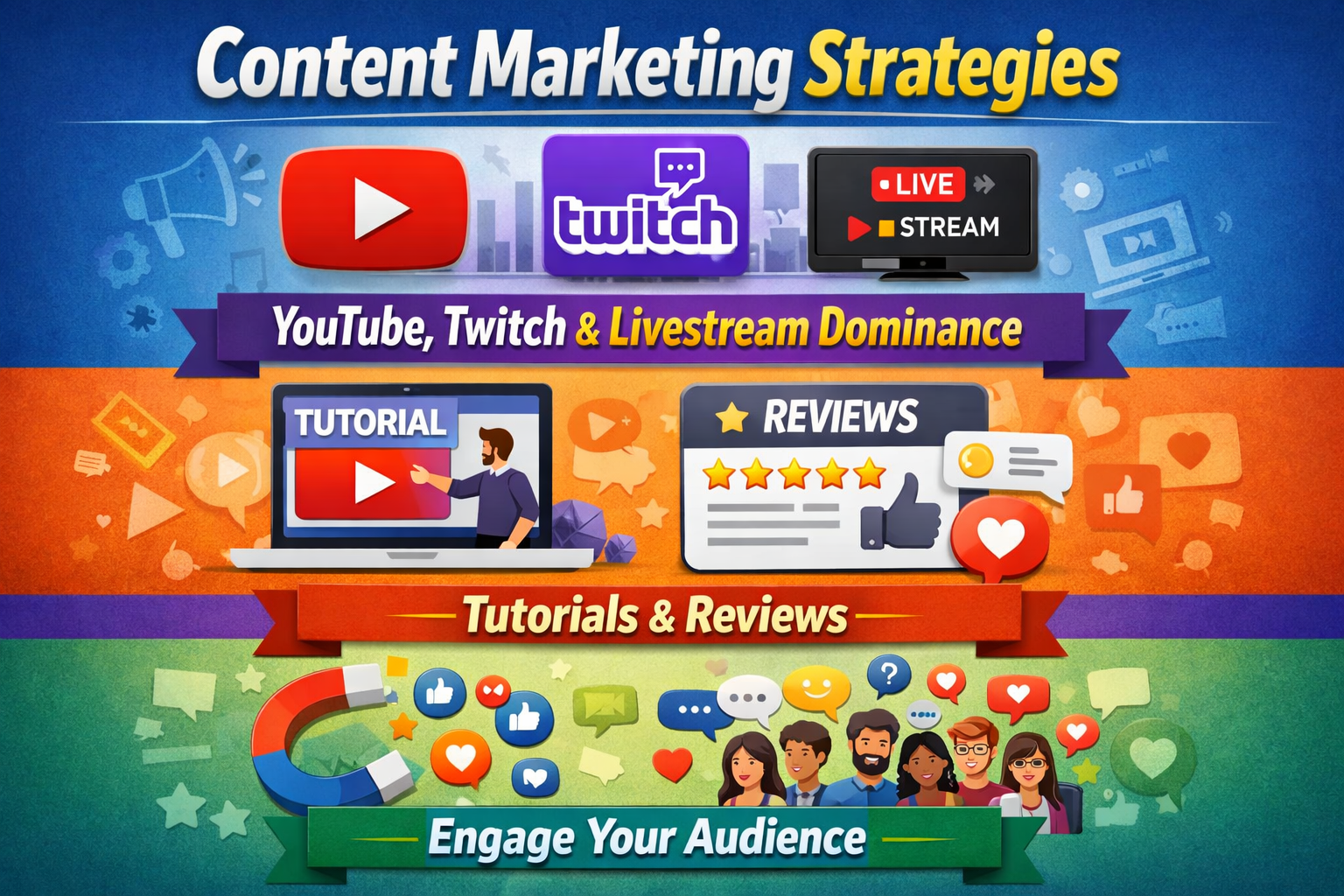
YouTube, Twitch, Instagram, TikTok, and Discord are the most impactful.
Q. Can small gaming brands copy CORSAIR’s strategy?
Yes, by focusing on community, content, and authenticity rather than massive ad budgets.
Q. What is the biggest lesson from CORSAIR’s digital marketing success?