



Discover how Tai Lopez built his online empire through digital marketing, online courses, social media influence, and smart investments. This article explains the Tai Lopez business model, revealing the strategies behind his viral marketing, education platforms, and multiple revenue streams that power his success.
Table of Contents
Tai Lopez is one of the most recognizable internet entrepreneurs of the last decade. If you’ve spent time on YouTube, chances are you’ve seen his famous ad that begins with the words, “Here in my garage…”. That short video—featuring luxury cars, bookshelves, and a casual business lecture—became one of the most viral online ads ever. It introduced millions of people to a personality who would soon build a digital empire around entrepreneurship education, social media marketing, and personal branding.
Tai Lopez is an American entrepreneur, investor, and motivational speaker who built his wealth through online education, investments, and digital marketing businesses. His estimated net worth is around $60–72 million, depending on the source.
But what makes Tai Lopez particularly interesting is not just his wealth. It’s the business model behind it. Unlike traditional entrepreneurs who build a single company or product, Lopez built an ecosystem: social media audiences, online courses, subscription services, and e-commerce brands all connected through marketing funnels.
In this article, we’ll break down exactly how his online empire works. You’ll see how he monetizes attention, converts followers into customers, and builds multiple income streams from the same audience. Whether you admire him or question his methods, there’s no denying that his business strategy offers valuable lessons about modern digital entrepreneurship.
The turning point in Tai Lopez’s online career came from a single marketing experiment: the “Here in my garage” YouTube advertisement. In the video, Lopez stands in his garage beside a Lamborghini and talks about how important knowledge and reading books are for success. It sounds simple, but the ad had a powerful psychological hook.
Why did it work so well? Because it blended aspiration with curiosity.
When viewers saw a luxury car and a charismatic speaker promising business secrets, they felt compelled to learn more. The ad directed viewers to sign up for his program, “The 67 Steps,” which teaches entrepreneurship and personal development. This was not just a motivational video—it was the top of a carefully designed sales funnel.
The results were massive. Tai Lopez’s content eventually generated billions of views and hundreds of thousands of paying customers across his programs.
What’s fascinating is that this ad wasn’t a lucky accident. It represented a deeper strategy: turning attention into revenue through digital education products. In many ways, Tai Lopez was among the early pioneers of the modern “knowledge commerce” industry, which later exploded with creators selling courses and coaching online.
Tai Lopez often shares a “rags-to-riches” story that helped build his personal brand. According to his own narrative, he once had just $47 in his bank account and was living on his mother’s couch before building his fortune.
Whether you view the story as inspiration or marketing storytelling, it serves a clear business purpose: relatability. Audiences connect with transformation stories. When someone says, “I started with nothing and figured it out,” people naturally want to learn the process.
Early in his career, Lopez worked in finance and sales, gaining experience in marketing and investment strategies. He later launched several businesses, including a nightclub and consulting services. Over time, he began investing in startups and online companies.
These experiences eventually led him to a realization: the internet allows you to scale knowledge faster than traditional businesses. Instead of managing employees, inventory, and offices, he could sell digital education programs to thousands of people simultaneously.
That insight became the foundation of the Tai Lopez business model.
At its core, Tai Lopez’s strategy is surprisingly simple: build attention, sell knowledge, and reinvest the profits into other businesses.
In other words, he operates at the intersection of three powerful industries:
The formula works like this:
This approach allows Lopez to monetize the same audience multiple times. Someone might first watch a free video, then buy a course, then join a membership program, and eventually purchase consulting services.
From a business perspective, this is known as value ladder marketing—a method where customers move from low-cost products to high-value offers over time.
The biggest pillar of Tai Lopez’s empire is selling knowledge as digital products.
Instead of selling physical goods, Lopez packages his experience and advice into courses that people can buy online. These programs typically include:
The benefit of digital products is scalability. Once the course is created, it can be sold to unlimited customers with minimal additional cost.
This means the profit margins are extremely high compared to traditional businesses.
For example, an online course priced at $697 may cost almost nothing to deliver after the initial production. That’s why online education has become such a powerful business model for influencers and entrepreneurs.
Tai Lopez recognized this early and built a catalog of programs covering topics like entrepreneurship, marketing, investing, and productivity.
One of Tai Lopez’s most famous programs is The 67 Steps, a course designed around 67 lessons about success, wealth, and personal development.
The program mixes psychology, business strategy, and philosophy. Each lesson focuses on a different principle, often inspired by famous entrepreneurs or historical figures.
What made this program successful wasn’t just the content—it was the marketing strategy.
The course was promoted through:
This combination allowed Lopez to reach millions of potential customers and convert a percentage of them into paying students.
Many entrepreneurs later copied this strategy when launching their own digital courses.
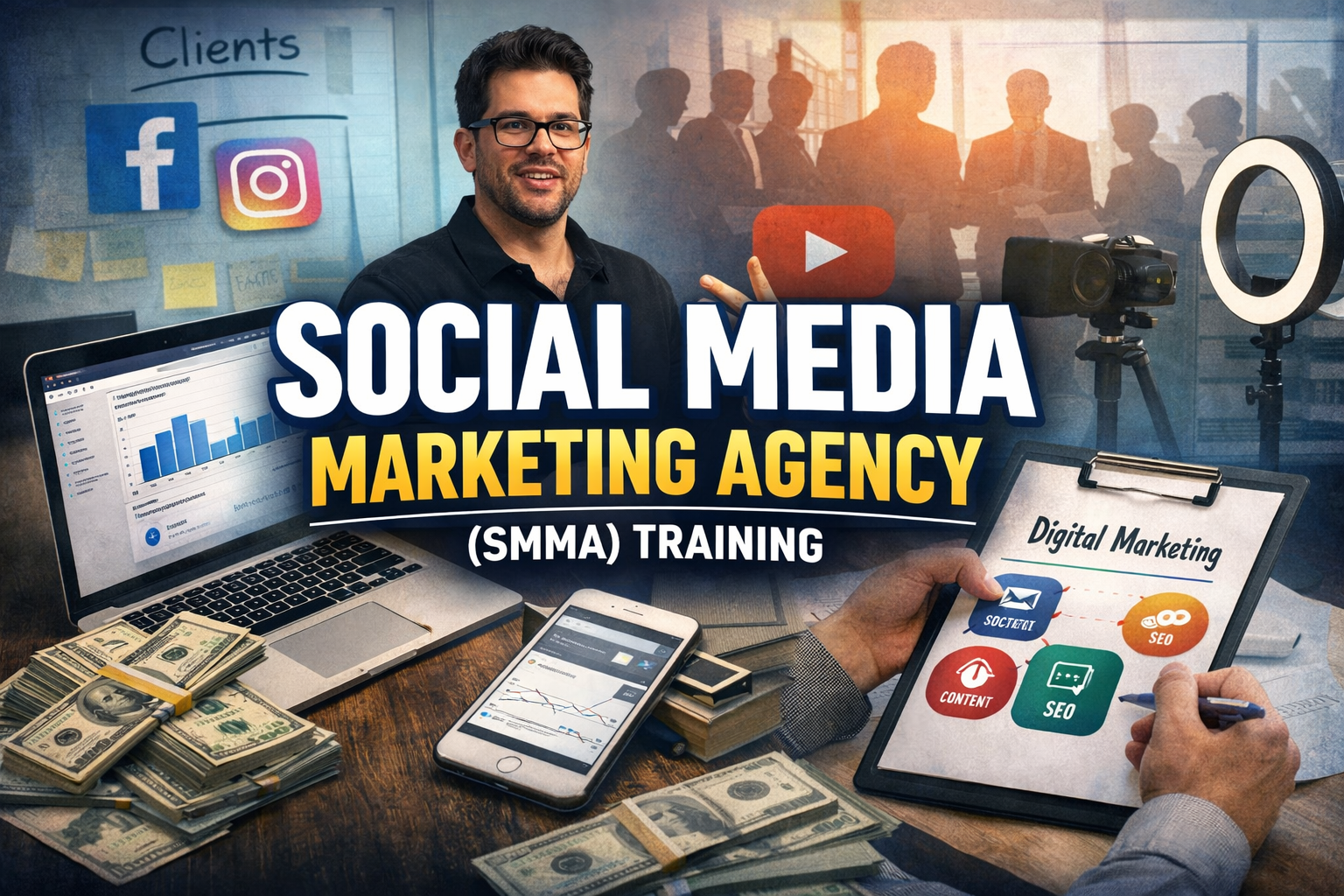
Another major income stream for Tai Lopez is training people to start Social Media Marketing Agencies (SMMA).
In these programs, Lopez teaches students how to help local businesses manage social media advertising campaigns. The idea is simple: small businesses often lack the expertise to run online ads effectively, so marketing consultants can charge monthly fees to manage their campaigns.
Tai Lopez has reportedly trained more than 25,000 people in SMMA strategies, showing them how to build agencies that serve clients like restaurants, gyms, and real estate companies.
The appeal of this model is obvious:
By teaching this skill through online programs, Lopez generates revenue while also creating success stories that promote his brand.
Another interesting piece of the Tai Lopez business model is MentorBox.
MentorBox is essentially a subscription service that provides summaries and lessons from popular business and self-help books. Members receive video breakdowns, workbooks, and curated insights designed to help them apply the ideas quickly.
Think of it like a Netflix for business education.
This subscription approach creates recurring revenue, which is one of the most powerful income models in the digital economy. Instead of selling a course once, Lopez earns monthly payments from members who stay subscribed.
Recurring revenue businesses are highly valued because they provide predictable cash flow and long-term customer relationships.
If there’s one skill Tai Lopez truly mastered, it’s attention economics.
He understands that in the digital world, attention is the most valuable asset. Whoever controls attention can sell almost anything.
Lopez built massive audiences across platforms like:
In total, his social media reach exceeds 11 million followers, giving him enormous marketing power.
The key strategy is simple: provide free content that attracts viewers, then guide those viewers into paid programs.
Top Benefits of Using Heyup for Product Discovery & Reviews
VGO LLC Affiliate Program Review: Commission & Industrial Gear Insights
K&F Concept Affiliate Program Guide for Photography Bloggers
How to Promote Ranowear, Inc. Affiliate Program Successfully
BOOX CO.,LTD Devices Compared: Which One Should You Buy?
Tai Lopez’s advertising style often blends storytelling with aspiration. Instead of traditional ads, his campaigns feel like personal conversations about success.
For example:
These elements trigger curiosity and emotional engagement.
Once viewers click the ad, they enter a marketing funnel designed to convert them into customers.
This strategy has generated eight-figure annual revenues for Lopez’s businesses in certain years.
Behind the scenes, Tai Lopez uses a classic sales funnel model.
Here’s how it works:
Funnel Stage | Strategy |
Awareness | Viral ads, YouTube videos, social media content |
Interest | Free webinars and training videos |
Decision | Paid courses and mentorship programs |
Loyalty | Membership programs and recurring subscriptions |
This structured approach allows Lopez to turn casual viewers into long-term customers.
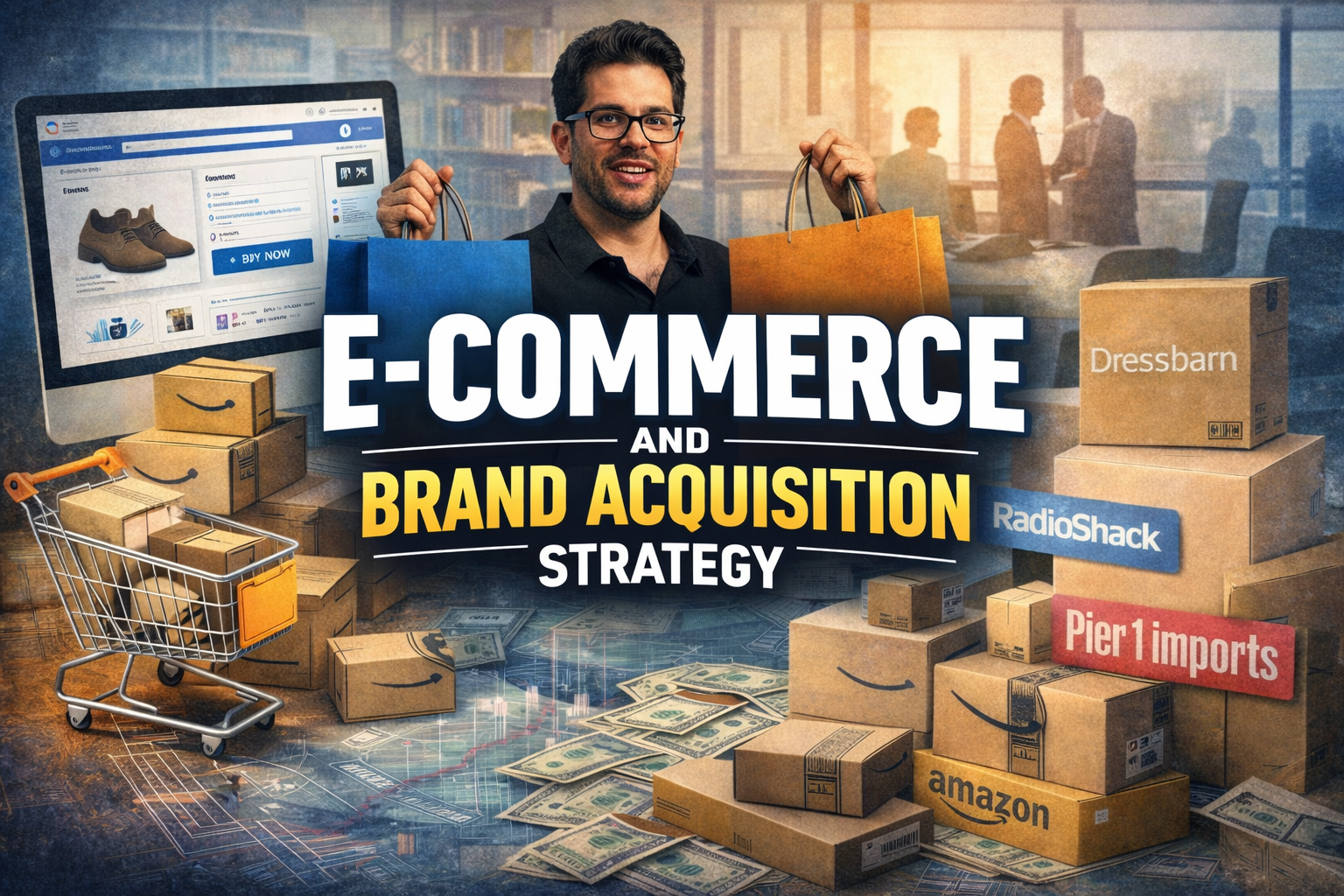
Beyond education products, Tai Lopez also expanded into e-commerce brand acquisitions.
Through companies like Retail Ecommerce Ventures, Lopez and his partners purchased struggling retail brands and attempted to revive them online.
The strategy works like this:
This approach allows entrepreneurs to acquire established brand recognition without building a company from scratch.
The retail industry has seen many legacy brands collapse due to poor digital strategy.
Tai Lopez saw this as an opportunity.
By acquiring these brands and moving them to e-commerce platforms, he aimed to rebuild them using modern marketing techniques like:
This diversification shows that Lopez is not only a course creator but also an investor.
Tai Lopez also generates income from several additional sources:
Diversifying income streams is a key principle of his business philosophy.
Instead of relying on one business, he builds multiple sources of cash flow.
If you strip away all the branding and controversy, Tai Lopez’s empire runs on a simple engine:
Attention → Education → Monetization → Investment
Each stage feeds the next:
This cycle allows continuous growth.
No discussion about Tai Lopez is complete without mentioning the criticism surrounding his business model.
Some critics argue that his programs rely heavily on marketing hype rather than actionable business strategies. Others question the long-term effectiveness of certain online entrepreneurship courses.
There have also been reports and debates about business practices related to some of his ventures.
Despite the controversy, Lopez remains a prominent figure in the online business world.
Whether you love him or dislike him, Tai Lopez demonstrates several important business lessons:
These principles explain why so many entrepreneurs study his marketing strategies.
Tai Lopez built his online empire by combining personal branding, digital marketing, and scalable education products. Instead of focusing on a single company, he created an ecosystem of courses, memberships, investments, and e-commerce brands.
The heart of his business model is simple: attract attention through social media, convert followers into customers through educational products, and reinvest profits into new ventures.
His journey from viral YouTube ads to a multi-million-dollar business empire illustrates how powerful digital marketing can be in the modern economy.
Whether viewed as a marketing genius or a controversial influencer, Tai Lopez undeniably changed the landscape of online entrepreneurship.
Tai Lopez became famous through his viral YouTube advertisement “Here in my garage,” where he promoted reading and entrepreneurship while showcasing luxury cars.
Most estimates place Tai Lopez’s net worth between $60 million and $72 million based on his businesses and investments.
He earns money from online courses, mentorship programs, subscription platforms, investments, and e-commerce ventures.
The 67 Steps is Tai Lopez’s flagship online course that teaches principles of success, business strategy, and personal development.
His business model—selling online education and leveraging social media marketing—is widely used in the digital economy. However, opinions about his programs vary among critics and supporters.

Recent Post
How Weblium.com Helps Simplify the Website Creation Process

Understanding Supplement Selection and Quality at BulkSupplements.com

How Digital Solutions Are Evolving With CHENGDU OUMEI NETWORK INFORMATION L.T.D

Beauty Trends Worth Exploring With Dominique Cosmetics – 122027

The Growing Role of 3D Scanning and Revopoint 3D Technologies Inc

Why Fitness Fashion Lovers Are Exploring WISKII ACTIVE LIMITED

Improving Website Performance and User Experience With Strategy11

Website Design Trends and the Growing Role of Weblium.com

Photography Styling Trends and the Role of KATE BACKDROP INC
A Guide to Finding Everyday Fashion Inspiration on rihoas.com
Releted Post