Lightinthebox Marketing Strategy: How the Brand Scales Global E-Commerce
Lightinthebox marketing strategy showcases how the brand successfully scales global e-commerce through localization, data-driven personalization, digital advertising, and customer-centric growth tactics. This post explores the key marketing channels, technologies, and strategies that help Lightinthebox reach and convert international audiences efficiently.
Scaling an e-commerce brand globally isn’t just about shipping products worldwide. It’s about understanding people, cultures, behaviors, and expectations—and that’s exactly where LightInTheBox shines. What started as an online retail platform has evolved into a globally recognized e-commerce brand serving customers in over 200 countries. So how did it pull this off? Simple answer: a smart, data-backed, customer-first marketing strategy.
Understanding the Global E-Commerce Landscape
Global e-commerce is like a busy airport—different languages, currencies, cultures, and buying habits all moving at once. Brands that fail to adapt get lost in the crowd. LightInTheBox understood early that one-size-fits-all marketing doesn’t work globally. Instead, it built flexible strategies that adjust market by market.
Core Philosophy Behind LightInTheBox Marketing
At its core, LightInTheBox focuses on accessibility, affordability, and personalization. The brand positions itself as a bridge between global manufacturers and local consumers, cutting out friction wherever possible. Think of it like a digital marketplace that speaks your language—literally and figuratively.
Customer-Centric Global Positioning
Localized Shopping Experience
Localization is not just translation. LightInTheBox customizes product descriptions, banners, offers, and even fashion styles based on region. A shopper in Europe sees something very different from a shopper in Southeast Asia—and that’s intentional.
Multi-Language and Multi-Currency Strategy
Supporting dozens of languages and currencies removes psychological barriers. Customers feel more comfortable buying when prices are familiar and content feels native. This small detail creates massive trust.
Cultural Adaptation in Product Listings
From sizing charts to holiday promotions, LightInTheBox adapts content culturally. This avoids confusion and boosts conversions. It’s like having a local store experience—online.
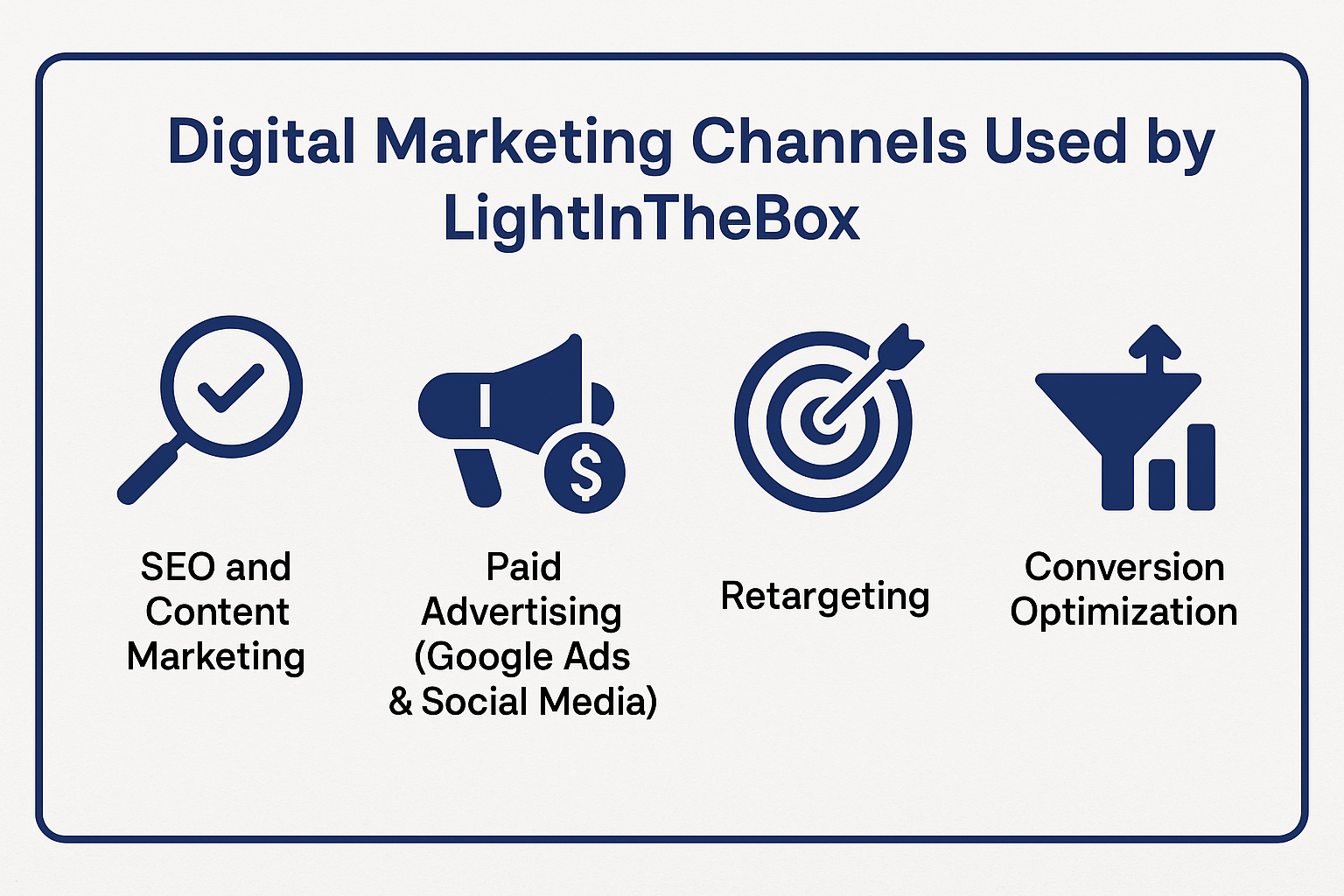
Search engine optimization is a long game, and LightInTheBox plays it well. The brand targets long-tail keywords, category-based queries, and localized search terms. Blog content, buying guides, and FAQs help pull organic traffic consistently.
Paid Advertising (Google Ads & Social Media)
Paid ads are used aggressively but intelligently. Campaigns are segmented by country, device, and behavior. Instead of burning money, LightInTheBox fine-tunes ads to hit high-intent users.
Retargeting and Conversion Optimization
Ever browsed a product and seen it again later? That’s retargeting done right. LightInTheBox uses dynamic ads to pull users back into the funnel at just the right moment.
Social Media Marketing Strategy
Platform-Specific Campaigns
Different platforms, different vibes. Instagram focuses on lifestyle visuals, Facebook on deals, TikTok on trends, and Pinterest on inspiration. Each platform has its own content style.
Influencer and Affiliate Marketing
Micro-influencers play a huge role. Instead of relying only on celebrities, LightInTheBox partners with niche creators who have loyal audiences. Authenticity beats reach here.
User-Generated Content and Reviews
Real photos, real videos, real reviews. This content builds trust faster than any ad copy ever could.
The mobile app isn’t just a shopping tool—it’s a marketing channel. App-only discounts push users to install and stay engaged.
Push Notifications Strategy
Short, relevant, and timely notifications keep the brand top of mind without annoying users.
Pricing, Promotions, and Psychological Triggers
Flash Sales and Seasonal Discounts
Limited-time deals trigger urgency. Pair that with global shopping festivals, and you’ve got a conversion machine.
Scarcity and Urgency Tactics
Low-stock alerts and countdown timers tap into FOMO. It’s simple psychology—and it works.
Logistics as a Marketing Advantage
Fast Shipping and Global Warehouses
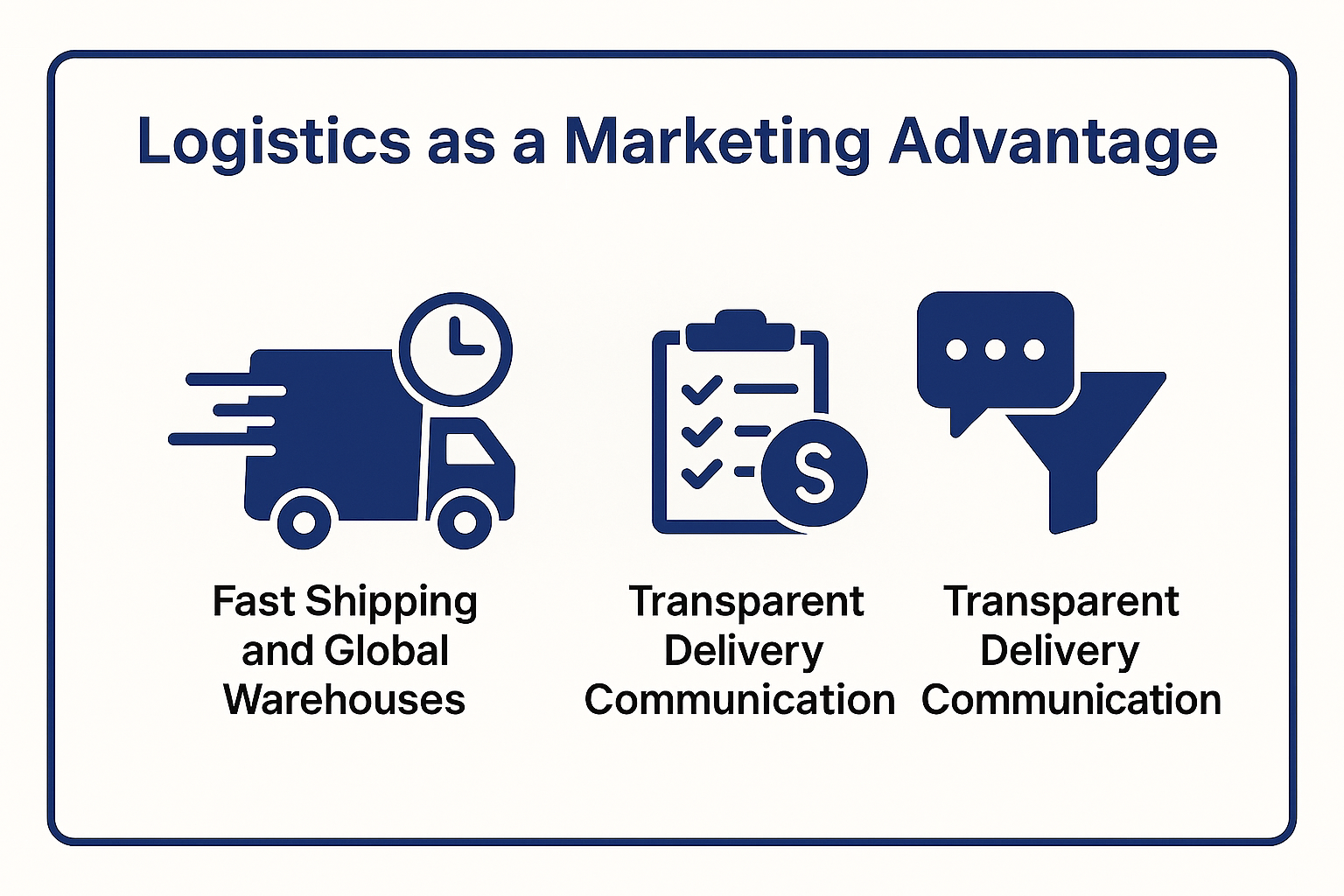
Fast delivery isn’t just operations—it’s marketing. LightInTheBox highlights shipping speed as a value proposition.
Transparent Delivery Communication
Tracking updates and clear timelines reduce anxiety and increase trust.
Brand Trust, Reviews, and Social Proof
Customer Reviews and Ratings
Verified reviews influence buying decisions more than ads. LightInTheBox puts them front and center.
Trust Badges and Buyer Protection
Money-back guarantees and secure payment badges reassure hesitant buyers.
Challenges in Scaling Global E-Commerce
Managing logistics, compliance, and customer support across borders isn’t easy. LightInTheBox tackles this with automation, regional teams, and constant optimization.
Future Marketing Trends for LightInTheBox
Expect deeper AI personalization, stronger community marketing, faster delivery promises, and even more localized experiences. The brand isn’t slowing down anytime soon.
Key Takeaways from LightInTheBox Marketing Strategy
LightInTheBox succeeds globally because it listens, adapts, and personalizes. Its marketing isn’t loud—it’s smart. And in global e-commerce, smart always wins.
Conclusion
LightInTheBox proves that scaling global e-commerce isn’t about being everywhere—it’s about being relevant everywhere. Through localization, data-driven decisions, and customer-first thinking, the brand has built a sustainable global presence. If there’s one lesson to take away, it’s this: understand your customer better than anyone else, and growth will follow naturally.
Frequently Asked Questions
Q. What makes LightInTheBox marketing strategy unique?
Its deep localization combined with data-driven personalization sets it apart.
Q. Does LightInTheBox rely more on paid or organic marketing?
It uses a balanced mix, with strong emphasis on SEO and retargeting.
Q. How does LightInTheBox attract international customers?
Through multi-language support, localized pricing, and region-specific campaigns.
Q. Is influencer marketing important for LightInTheBox?
Yes, especially micro-influencers who drive authentic engagement.
Q. Can small e-commerce brands learn from LightInTheBox?
Absolutely. Focus on localization, personalization, and trust-building.